The Chicago Cubs have been unusually quiet this offseason, especially when compared to other teams across Major League Baseball that have been aggressive in upgrading their rosters. This lack of activity stands out even more given the Cubs’ recent success. They reached the postseason and pushed their opponent to five games in the Division Series, showing that they are not far from being legitimate contenders. For a team that clearly demonstrated it can compete at a high level, standing still feels like a missed opportunity. While the Cubs don’t necessarily need to overhaul their roster, making at least one major move could be the difference between another early playoff exit and a deeper October run.
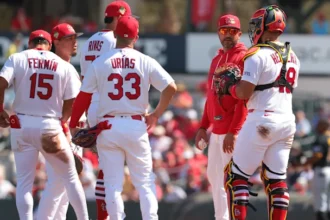
If Chicago’s front office is hesitant to make multiple splashy additions, there is a scenario where a single blockbuster trade could dramatically improve the team. According to FanSided writer Christopher Kline, the Cubs could consider making a bold move by trading for longtime St. Louis Cardinals star Nolan Arenado. Such a deal would be shocking, not only because of Arenado’s stature in the game, but also because it would involve two of baseball’s fiercest rivals. Trades between the Cubs and Cardinals are rare, and when they do happen, they often carry extra emotional weight for both fan bases.
Arenado is one of the most accomplished third basemen of his generation. Over the course of his career, he has earned eight All-Star selections and won six Platinum Gloves, an award given to the best defensive player in each league. Even as he enters his mid-30s, Arenado remains an elite defender at third base, a skill set that tends to age better than raw athleticism or power alone. Kline points out that Arenado’s defensive excellence aligns perfectly with the Cubs’ organizational philosophy, which places a heavy emphasis on run prevention and strong infield defense.
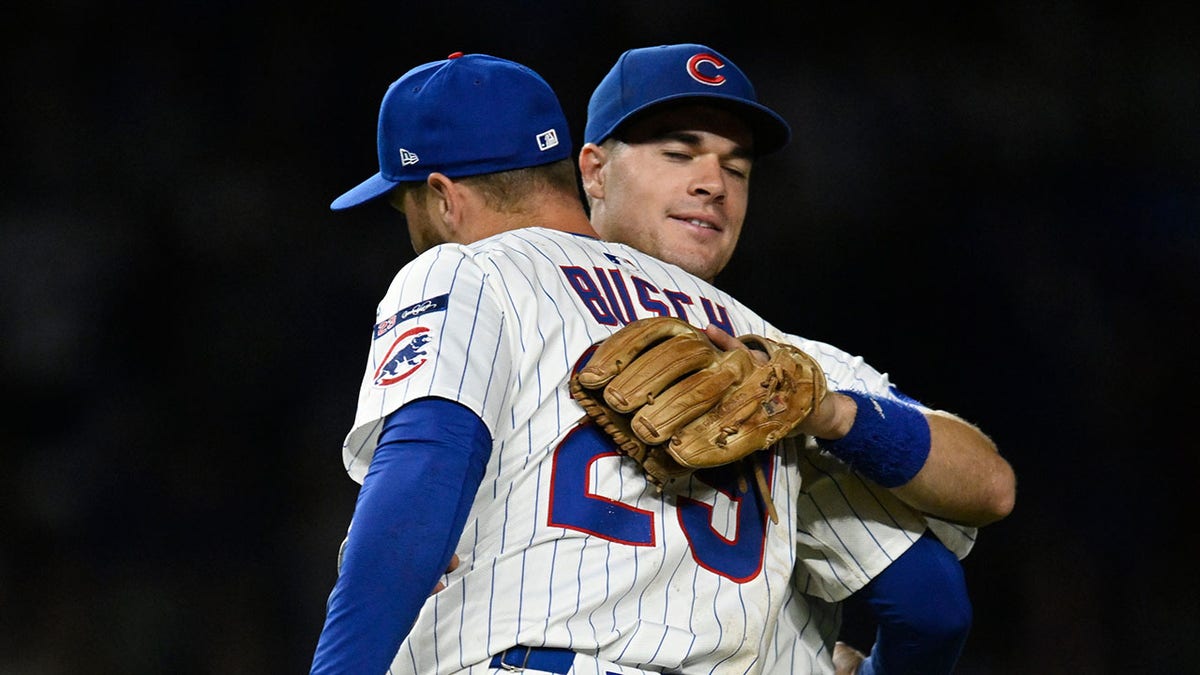
If Chicago were to acquire Arenado, the Cubs would suddenly boast one of the most formidable infields in all of baseball. Pairing Arenado at third base with shortstop Dansby Swanson, second baseman Nico Hoerner, and first baseman Michael Busch would give the Cubs exceptional range, instincts, and reliability across the diamond. This type of defensive foundation can elevate an entire pitching staff, turning marginal pitchers into solid contributors and solid pitchers into standout performers. In tight playoff games, where every run matters, elite defense can be just as valuable as power hitting.

Of course, any potential trade for Arenado would come with significant complications. Chief among them is his contract. Arenado is owed roughly $31 million over the next two seasons, a hefty sum for a player coming off what many would consider a down year. For the Cubs to seriously consider this deal, the Cardinals would almost certainly need to retain a sizable portion of that salary. Without financial flexibility, taking on Arenado’s contract could limit Chicago’s ability to address other areas of need.
Kline acknowledges that this would not be a risk-free move. Arenado’s offensive production declined during the most recent season, raising legitimate questions about whether age is beginning to catch up with him. In 107 games, he posted a slash line of .237/.289/.377, numbers that fall well below his career norms. He recorded 18 doubles, 12 home runs, and 52 runs batted in, respectable totals but far from the elite offensive output fans have come to expect from him. For a player once considered one of the most complete hitters in the game, those numbers are concerning.
Despite that dip in performance, it would be unwise to dismiss Arenado based on one season alone. For nearly a decade, he was consistently one of the best players in Major League Baseball, combining elite defense with middle-of-the-order production. Players with that track record rarely fall off overnight. There are numerous examples of veterans experiencing a down year only to bounce back once circumstances improve, whether through better health, mechanical adjustments, or a change of scenery.

From the Cubs’ perspective, the key question is whether they believe Arenado still has enough left in the tank to justify the gamble. If their coaching staff and analytics department see signs that his struggles were temporary, then pursuing him could be a smart calculated risk. Chicago would not necessarily need Arenado to return to MVP-level production. Even a moderate offensive rebound, combined with his Gold Glove-caliber defense, would represent a significant upgrade at third base.
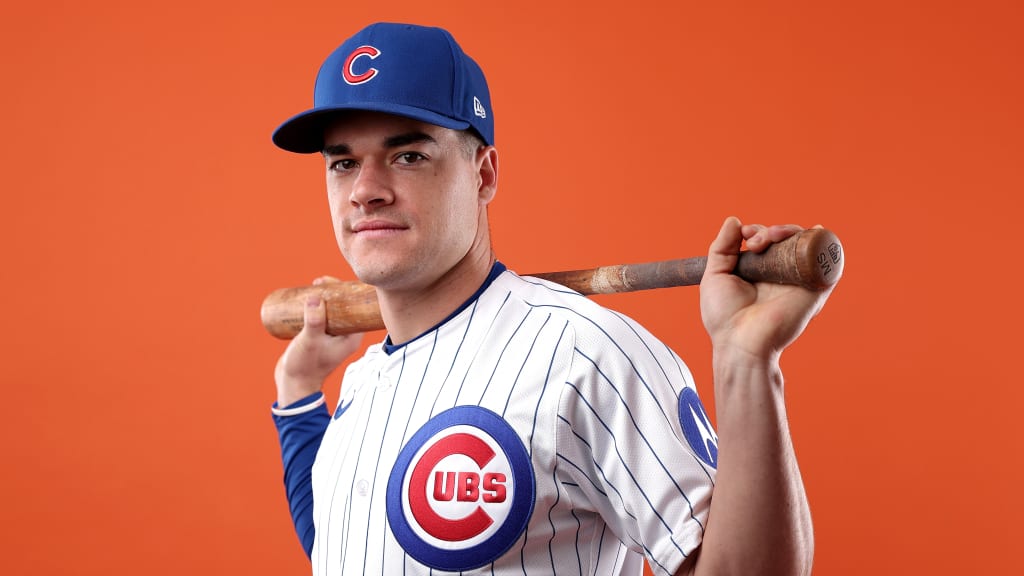
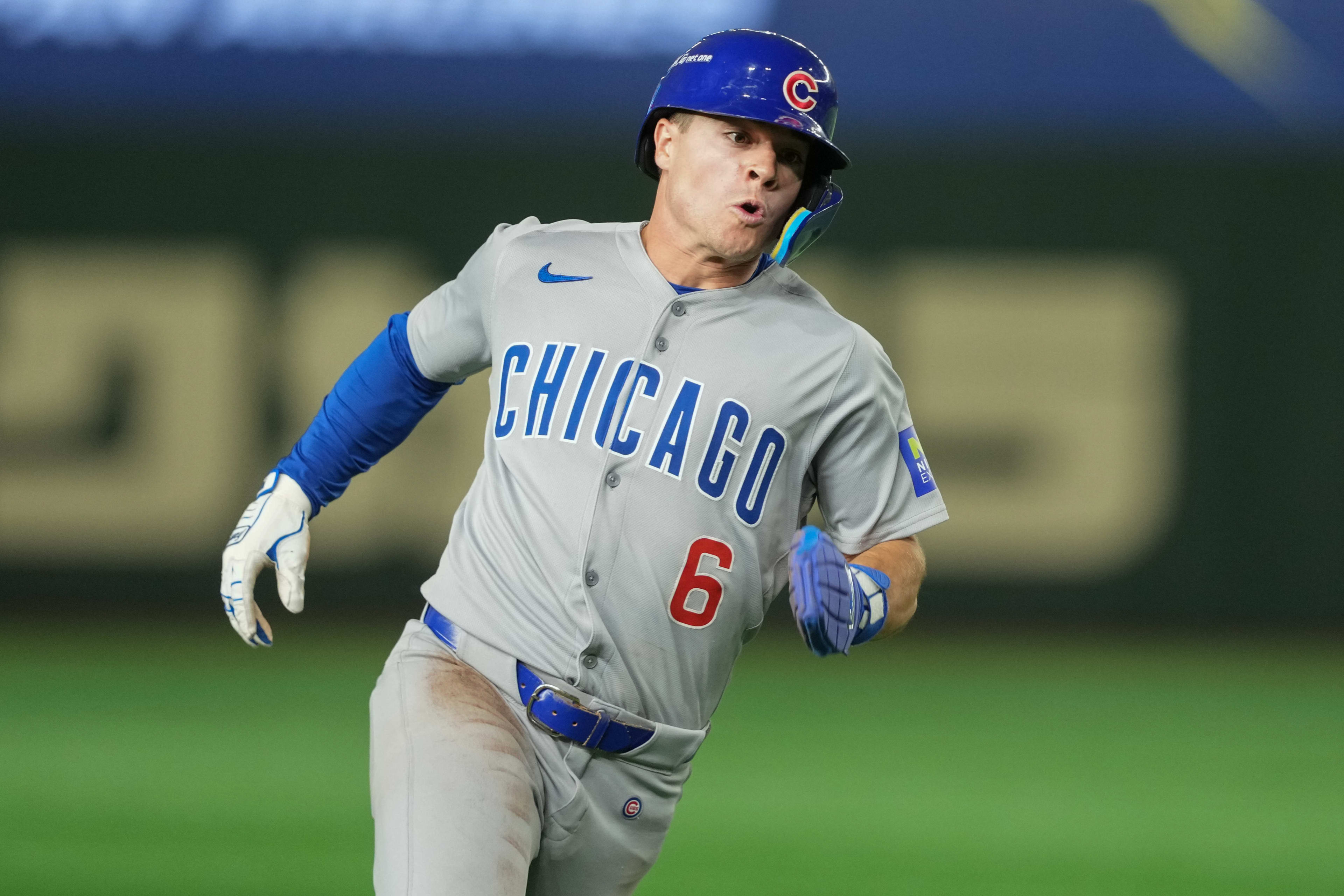
Another factor working in the Cubs’ favor is roster construction. Chicago currently relies on younger players such as Matt Shaw and potentially other developing infielders. While these prospects offer long-term upside, depending too heavily on unproven talent can be risky for a team that believes it can win now. Adding a veteran like Arenado would stabilize the infield and reduce pressure on younger players, allowing them to develop at a more natural pace instead of being thrust into high-stakes roles prematurely.
From the Cardinals’ side, the idea of trading Arenado is no longer unthinkable. St. Louis appears to be transitioning toward a retooling or rebuilding phase, focusing more on future flexibility than immediate contention. Moving Arenado could help accelerate that process by freeing up payroll and potentially bringing back younger talent or prospects. While trading a franchise icon is never easy, rebuilding teams often have to make difficult decisions to position themselves for long-term success.
Financially, retaining part of Arenado’s contract might be a worthwhile sacrifice for St. Louis if it allows them to reset their roster and invest in player development. The Cardinals have historically been a smart, forward-thinking organization, and recognizing when a competitive window has closed is a crucial part of sustained success. If they believe they won’t be true contenders over the next couple of seasons, holding onto an expensive veteran may not make sense.
The rivalry aspect of this potential trade cannot be ignored. Cubs and Cardinals fans alike would have strong reactions to seeing Arenado switch sides. However, front offices must operate with logic rather than emotion. If a deal makes sense on paper and aligns with each team’s goals, rivalry history should not stand in the way. In fact, pulling off a mutually beneficial trade with a rival can sometimes be the clearest sign of a well-run organization.
For Chicago, the motivation is clear: the window to win is open right now. The Cubs have a talented core, strong leadership, and a fan base hungry for another deep playoff run. Standing pat while other teams improve could lead to regret when October arrives. Making a bold move like trading for Arenado would signal that the front office is serious about capitalizing on the present rather than waiting for a perfect future that may never arrive.
For St. Louis, the motivation is equally straightforward. Preparing for the future often requires letting go of the past. By moving Arenado, the Cardinals could gain flexibility, accumulate assets, and give themselves a clearer path toward building their next competitive roster. While it would be painful in the short term, it could pay dividends down the line.
Ultimately, this is a trade scenario where both sides could walk away satisfied. The Cubs would acquire a proven star capable of elevating their defense and potentially rediscovering his offensive form. The Cardinals would take a step toward reshaping their organization for the years ahead. Whether or not this specific deal ever materializes, it represents the kind of creative, bold thinking that front offices must embrace to stay competitive.
At this stage of the offseason, it would be wise for both teams to at least explore the possibility. A phone call costs nothing, and the potential payoff could be enormous. If the Cubs truly believe they are one impact player away from making noise in the postseason, and if the Cardinals are serious about looking toward the future, then a conversation about Nolan Arenado might be exactly what both franchises need.