The New York Mets have sent a clear message as the offseason continues: their work is not finished. Even with an offense that projects as one of the most dangerous in the National League, the front office understands that championships are not won with bats alone. Pitching—specifically starting pitching—remains the biggest variable standing between this team and legitimate World Series contention.
At present, the Mets’ rotation is headlined by Kodai Senga, a bona fide ace whose dominance has helped stabilize the staff. However, behind him lies a collection of arms that, while talented, carry varying degrees of uncertainty. Relying on internal growth and good fortune is a risk the organization does not appear willing to take, especially when the margin for error in a hyper-competitive National League is razor thin.

According to reporting from The Athletic, the Mets are actively pursuing multiple strategies to reinforce their rotation. Rather than committing to one singular path, the front office—led by President of Baseball Operations David Stearns—is exploring a range of possibilities, from high-upside trades to leveraging owner Steve Cohen’s unmatched financial power.
“The Mets remain seriously interested in adding to their rotation,” the report states. “A trade for a front-line starter like Freddy Peralta or Edward Cabrera is possible. Another option is signing someone like Framber Valdez to a shorter deal with a higher average annual value.”

Within that framework, three distinct approaches emerge. Each represents a different philosophy, risk tolerance, and timeline for contention. From betting on upside, to going all-in on an established ace, to simply purchasing reliability on the open market, the Mets have no shortage of options—and no shortage of pressure to choose wisely.
Scenario 1: The High-Upside Bet on Edward Cabrera
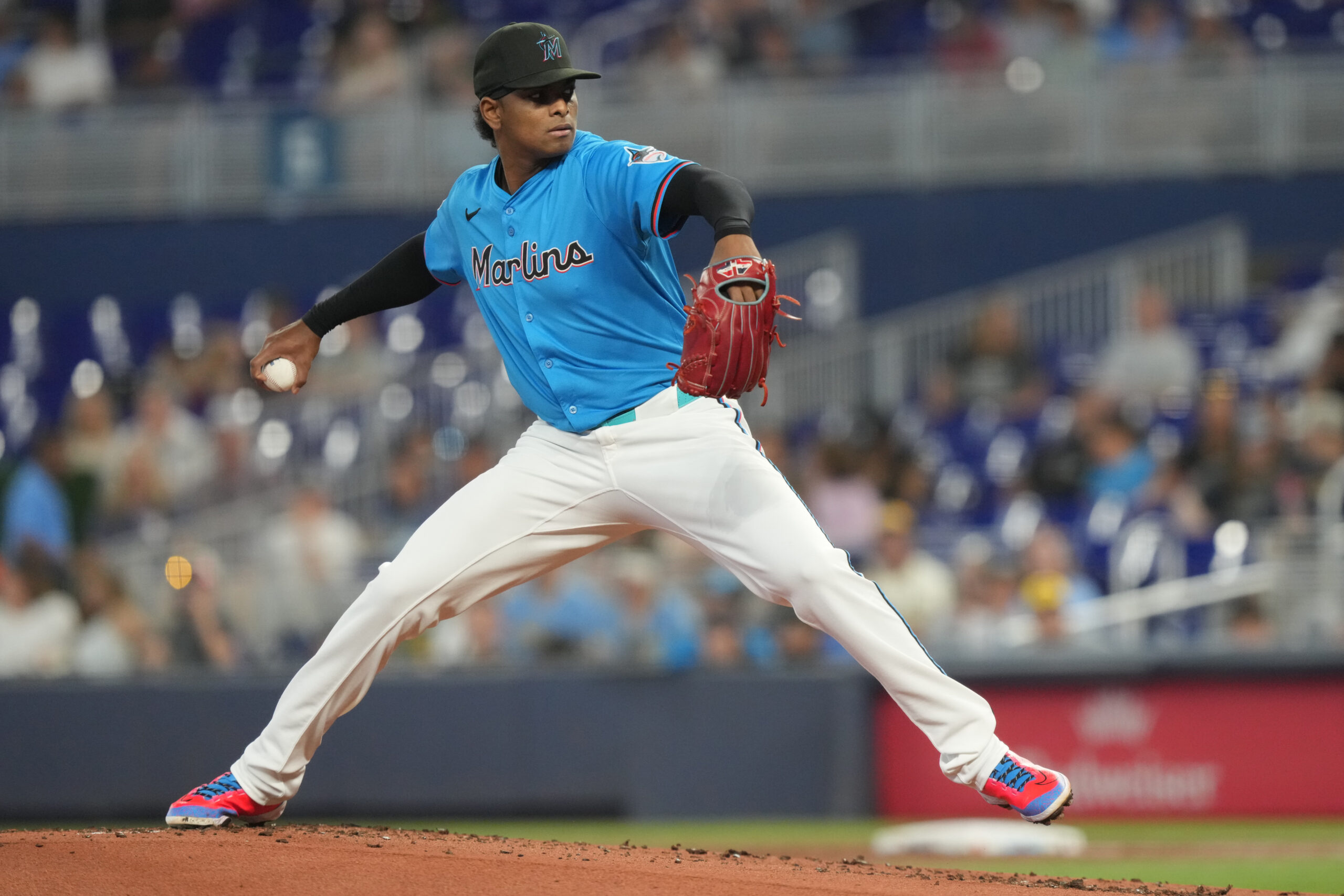
One of the more intriguing possibilities on the trade market involves Miami Marlins right-hander Edward Cabrera. This scenario is particularly appealing to a front office that values long-term control and developmental upside rather than a fully polished, expensive product.

Cabrera, still just 27 years old, finally enjoyed a relatively healthy season in 2025 after years of frustration. He logged 137.2 innings, posted a strong 3.53 ERA, and struck out 150 batters. Those numbers only hint at his potential. Cabrera possesses some of the most electric raw stuff in the league, including a devastating changeup that routinely touches 94 mph—an almost absurd figure for a pitch traditionally used to disrupt timing rather than overpower hitters.
When Cabrera is right, he looks unhittable. His fastball-changeup combination can overwhelm even elite lineups, and flashes of dominance have long teased a breakout. The issue, of course, has been availability and consistency. Shoulder soreness, elbow concerns, and recurring blister problems have prevented him from sustaining momentum over a full season. As a result, Cabrera remains one of baseball’s most volatile assets: tantalizingly gifted, but never quite dependable.
For the Mets, this is precisely where the opportunity lies.
The Cost and the Gamble
From a trade perspective, Cabrera would not command the type of prospect package required for an established ace. Miami would likely seek a return built around mid-tier prospects rather than the Mets’ elite farm system talent. That alone makes the idea appealing. Even more enticing is Cabrera’s contractual status: he is arbitration-eligible and under team control through the 2029 season.
In other words, this is not a short-term rental. If the Mets can unlock his full potential, they would be acquiring a multi-year rotation pillar at a fraction of the cost typically associated with top-end starters.
The gamble, however, is obvious. The Mets would be betting heavily on their pitching infrastructure—their analytics department, biomechanics staff, and development coaches—to refine Cabrera’s command and manage his workload effectively. If they succeed, the payoff could be enormous: a legitimate No. 2 starter acquired for the price of a back-end arm. If they fail, they risk adding another talented but unreliable pitcher to an already uncertain group.

This is the high-ceiling, high-variance play. It does not guarantee anything, but it offers the possibility of surplus value that could reshape the rotation for years.
Scenario 2: The All-In Blockbuster for Freddy Peralta
If upside and projection feel too uncertain, there is another route: acquire certainty.
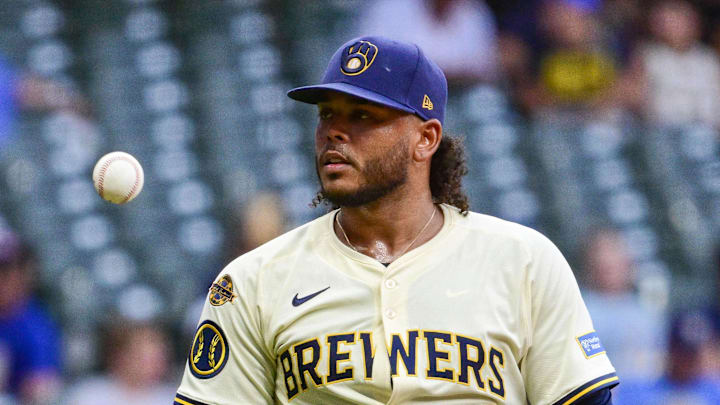
That certainty comes in the form of Milwaukee Brewers ace Freddy Peralta. At 29 years old, Peralta is firmly in his prime and coming off the best season of his career. In 2025, he posted a stellar 2.70 ERA, led the National League with 17 wins, and struck out 204 batters. By every measure, he was one of the most dominant pitchers in baseball.
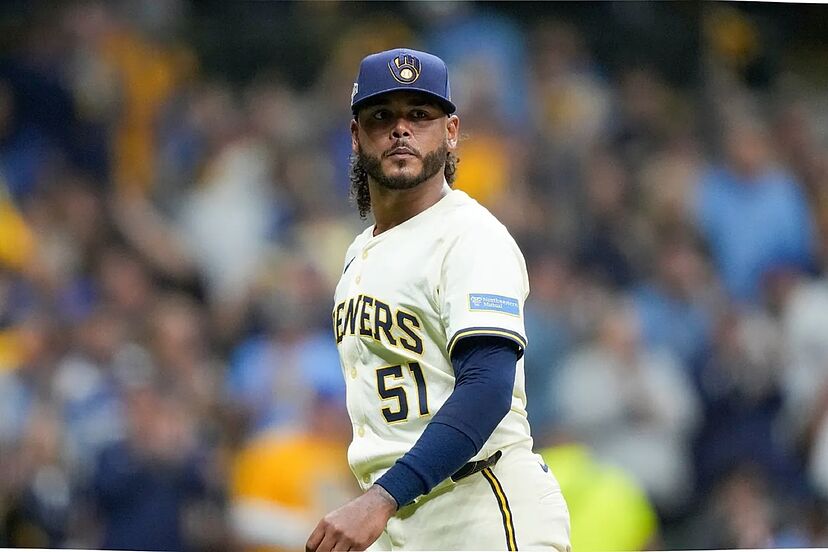
Peralta is not just a high-end starter; he is a true front-line ace. His fastball explodes at the top of the zone, his slider misses bats at an elite rate, and his command has steadily improved. Pairing him with Kodai Senga would instantly give the Mets one of the most formidable one-two punches in the league—a playoff-ready tandem capable of matching up with any opponent.
This is the type of move that transforms a contender into a favorite.
The Cost of Certainty
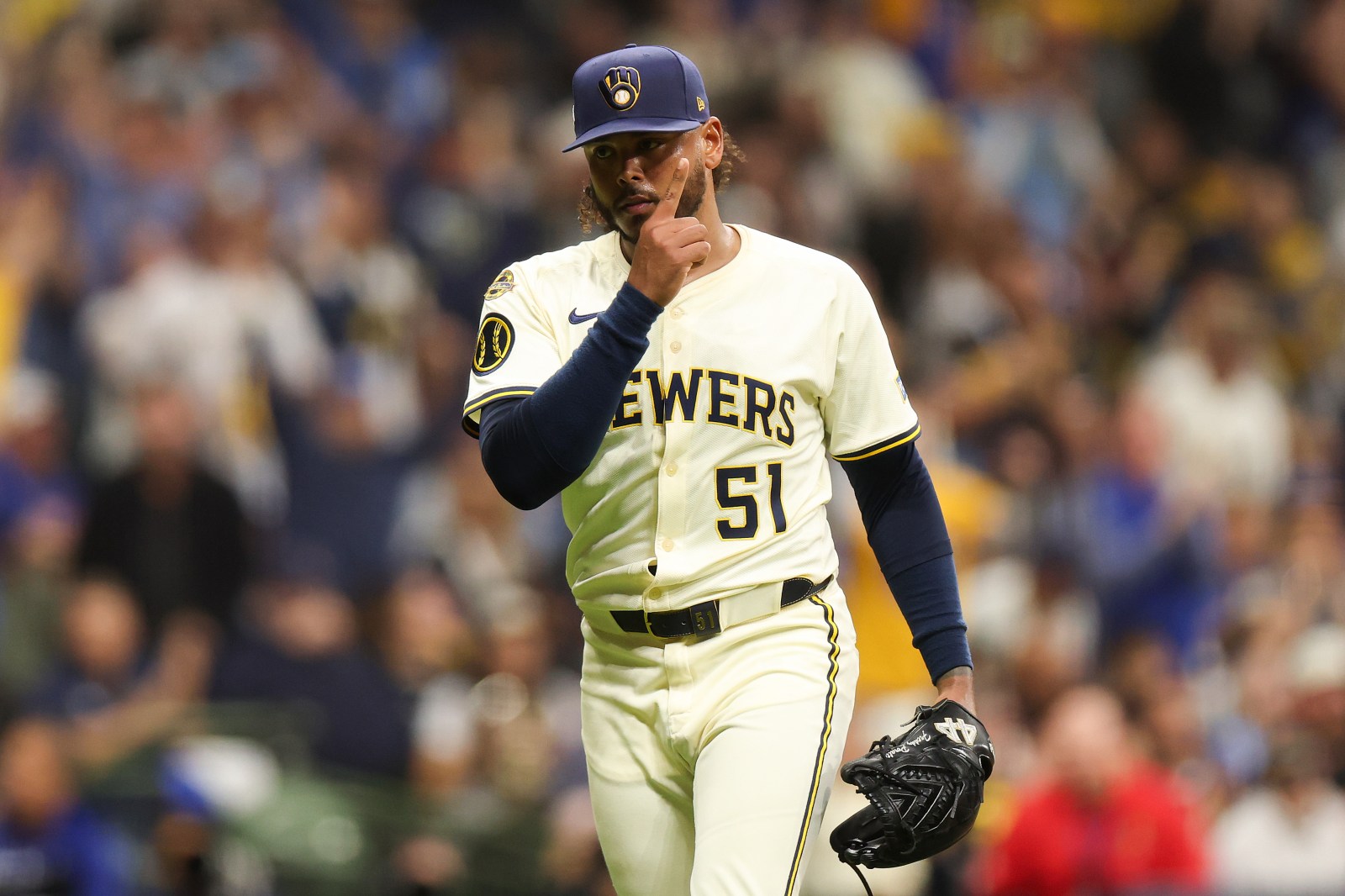
The downside, unsurprisingly, lies in the price.
Peralta is entering the final year of his contract and is scheduled to become a free agent after the 2026 season. That means any team acquiring him would be trading premium assets for, at most, one guaranteed year of elite production (with the hope of extending him or making a deep postseason run).
For the Mets, this would almost certainly require surrendering multiple top prospects—perhaps even some of the organization’s most prized young talent. It is the definition of a “win-now” move, one that prioritizes immediate championship contention over long-term system health.
Such a deal would send a powerful message: the Mets believe they are one piece away, and they are willing to pay whatever it takes. But it would also significantly thin the farm system, limiting future flexibility and increasing pressure to succeed in the short term.
This is not a subtle move. It is a bold, aggressive swing that leaves little room for regret.
Scenario 3: Flexing the Wallet for Framber Valdez
The third option reflects a luxury few franchises possess: the ability to solve problems with money instead of prospects.
Enter Framber Valdez.

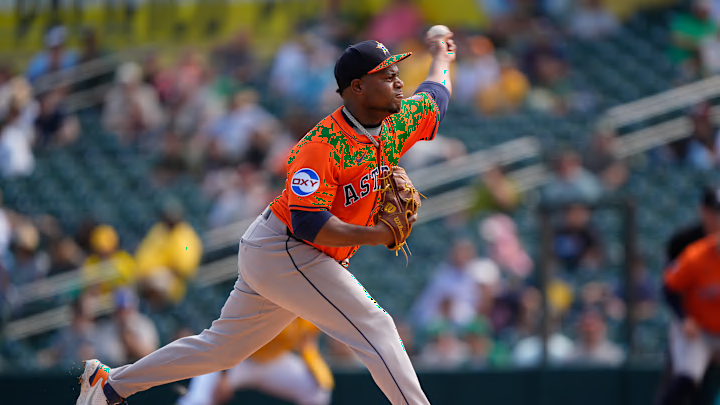
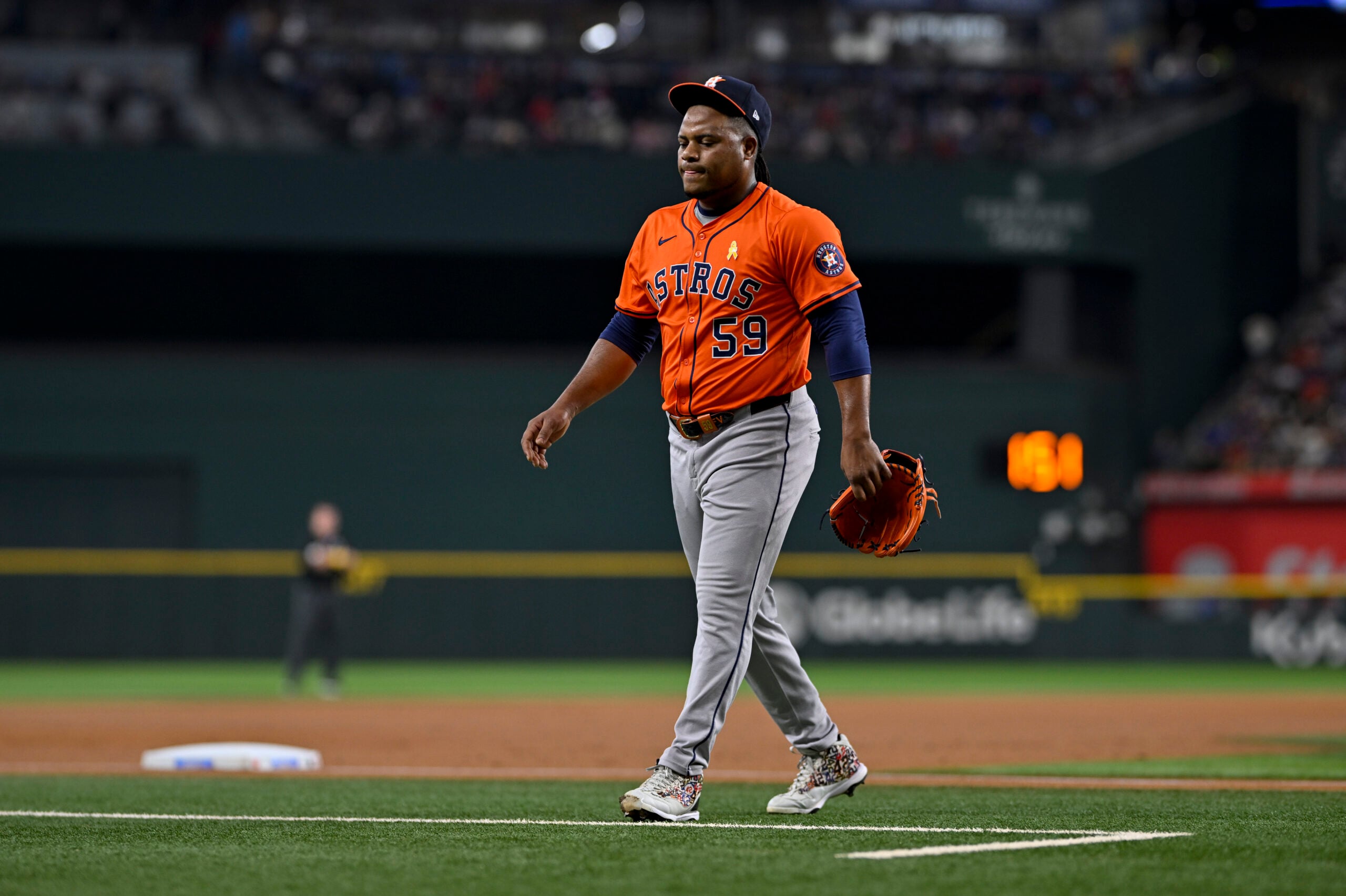
The veteran left-hander is one of the most reliable starting pitchers in baseball. In 2025, Valdez threw 192 innings and recorded a 3.66 ERA, once again demonstrating his durability and consistency. His calling card is his elite ground-ball rate—over 50 percent—which allows him to limit damage even when he is not at his sharpest.
Valdez may not rack up strikeouts at the same rate as Peralta, but he brings something arguably just as valuable: stability. He pitches deep into games, keeps bullpens fresh, and provides a steady presence every fifth day. For a rotation seeking reliability, that profile is incredibly appealing.
Paying for Stability
Signing Valdez would not cost the Mets any prospects. Instead, it would cost money—lots of it.
Market projections suggest Valdez could command a five- or six-year deal worth around $160 million. However, The Athletic notes that the Mets could pursue an alternative structure: a shorter contract with a significantly higher average annual value.
A proposal such as three years at $40 million per season—$120 million total—could appeal to Valdez, allowing him to maximize earnings while maintaining flexibility for another major payday down the road. For the Mets, this approach would keep long-term payroll commitments cleaner while still adding a proven workhorse to the rotation.
It is the cleanest solution. No depleted farm system. No developmental uncertainty. Just a known commodity added to a roster built to win now.
The Safety Valve and the Bigger Picture
If none of these headline-grabbing scenarios come to fruition, the Mets still have a fallback option. According to The Athletic, the team could turn to the mid-tier free agent market if they determine additional innings are still needed.
However, for a franchise with championship ambitions and unparalleled financial resources, settling for a middle-of-the-rotation arm feels more like a contingency plan than a preferred outcome. It is the safety net, not the goal.
The Mets have both the assets and the cash to aim higher. The real question is not whether they can make a significant move, but how aggressive David Stearns is willing to be. The choices made in the coming weeks will define the trajectory of this season—and potentially the next several.
Whether they gamble on upside, trade for certainty, or buy stability outright, one thing is clear: standing pat is not an option.