The New York Mets appear to have officially begun preparing for the upcoming Major League Baseball trade deadline, making their first notable move after a disappointing first half of the 2026 season. Following another difficult loss that left the club 12 games below the .500 mark, the organization decided to part ways with one of its veteran pitchers in a deal that could signal the beginning of a broader roster reshaping effort.
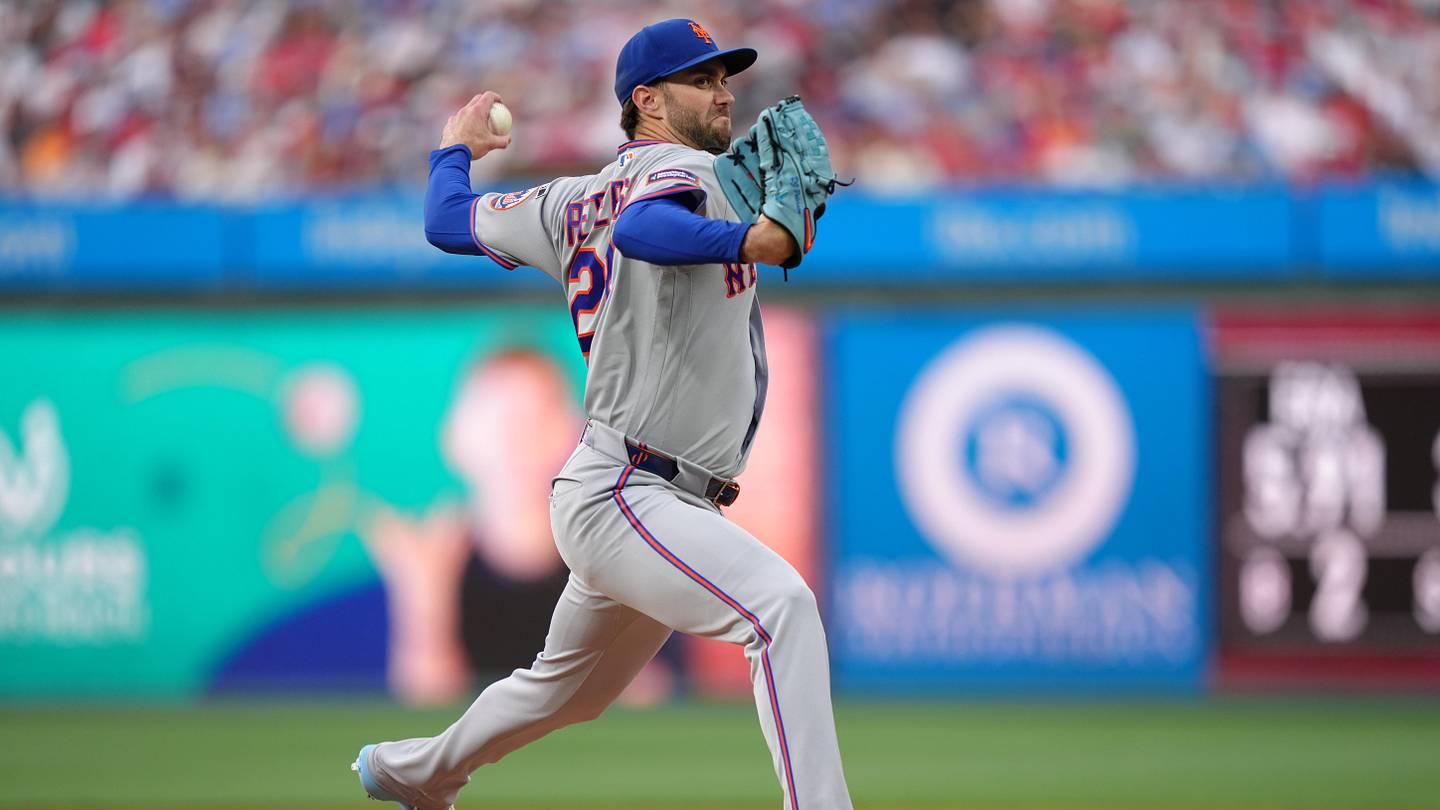
According to reports from ESPN’s Jeff Passan, the Mets have traded left-handed pitcher David Peterson to the Chicago Cubs. In exchange, New York acquired corner-infield prospect Cole Mathis, a young player regarded as one of the Cubs’ better minor league talents. The Athletic’s Will Sammon reported that Mathis, who is only 22 years old, will head to the Mets organization as part of the transaction.

The trade comes at a pivotal moment for both clubs. The Mets have struggled throughout much of the 2026 campaign and currently find themselves well outside the playoff picture. Meanwhile, the Cubs are attempting to remain competitive despite facing significant challenges within their starting rotation due to injuries. As a result, the deal serves different purposes for each franchise: Chicago gains immediate pitching depth, while New York secures a promising young prospect who could contribute to the club’s future plans.
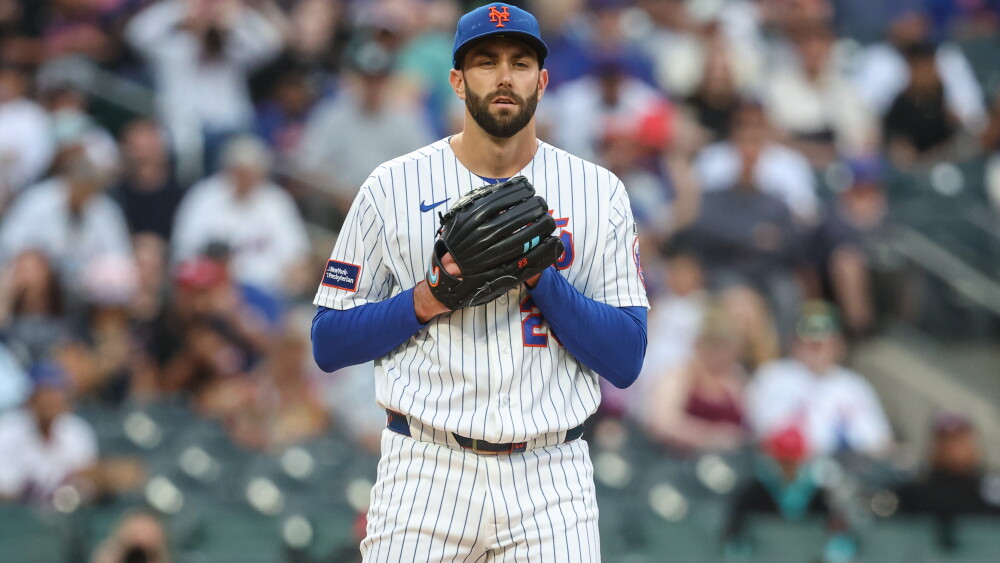
For Peterson, the move represents an opportunity for a fresh start. The veteran southpaw has endured a difficult season with the Mets, posting a 6.09 earned run average across 16 appearances, including eight starts. His performance has been inconsistent, and he has struggled to establish himself as a reliable option in New York’s pitching staff.

Despite those struggles, Peterson remains an experienced major league pitcher capable of providing innings, something the Cubs desperately need at the moment. Chicago’s rotation has been hit hard by injuries, forcing the organization to seek reinforcements wherever possible. By acquiring Peterson, the Cubs are taking a relatively low-risk chance on a pitcher who has previously shown flashes of effectiveness at the major league level.
At 30 years old, Peterson may benefit from a change of scenery. New coaching, a different environment, and the opportunity to contribute to a club with postseason aspirations could potentially help him rediscover the form he displayed earlier in his career. For Chicago, the acquisition is less about securing a long-term solution and more about stabilizing a pitching staff that has been stretched thin.
From New York’s perspective, the return is intriguing. The Mets were able to obtain a player who was selected in the second round of the 2024 MLB Draft and who has already begun attracting attention within prospect circles. Considering Peterson is scheduled to become an unrestricted free agent after the season, the Mets likely viewed this as an opportunity to receive value for a player who might not have remained with the organization beyond 2026.
Mathis entered the season ranked as Chicago’s No. 13 prospect for 2026 according to MLB Pipeline. Although he is still early in his professional development, his offensive production has generated considerable optimism. The young infielder has demonstrated a combination of power, patience, and athleticism that could make him an important piece of New York’s farm system moving forward.

The acquisition of Mathis may ultimately be remembered as more than just a single prospect-for-veteran swap. It could represent the first step in a larger rebuilding or retooling process for the Mets, who appear increasingly likely to act as sellers before the trade deadline.
New York’s current record of 34-46 reflects a season that has largely failed to meet expectations. Entering the year, there was hope that the club could remain competitive in a challenging National League landscape. Instead, inconsistent pitching, injuries, and offensive struggles have contributed to a disappointing first half.

With the team now trailing in the standings and facing increasingly slim playoff odds, front-office executives may determine that the most sensible course of action is to move short-term assets in exchange for younger talent. If that strategy unfolds, Peterson’s departure could be just the beginning.
Several players on expiring contracts or veterans with trade value could attract interest from contenders looking to strengthen their rosters for the postseason push. As organizations across baseball evaluate their needs ahead of the deadline, the Mets may find themselves in a favorable position to accumulate additional prospects and continue building for the future.
The club has already begun integrating young talent into its major league roster this season. One notable example is outfielder A.J. Ewing, who earned a promotion and has received an opportunity to showcase his abilities at the highest level.
Should the Mets continue trading veterans over the coming weeks, additional roster spots could become available, opening the door for more prospects to receive major league opportunities. Such a scenario would allow the organization to evaluate young players against top-level competition while also accelerating their development.
Among the names that could benefit from those opportunities are several of the franchise’s most promising prospects. Ryan Clifford, a powerful left-handed hitter known for his ability to drive the ball and generate extra-base hits, remains one of the more intriguing bats in the system. His offensive upside has made him a player worth monitoring as the season progresses.
On the pitching side, right-handers Jonah Tong and Jack Wenninger have also emerged as noteworthy prospects. Both pitchers have demonstrated encouraging development within the minor leagues and could eventually factor into the club’s long-term plans. If New York creates openings through additional trades, prospects such as Tong and Wenninger could find themselves moving closer to the major league level sooner than anticipated.
As for Mathis, his performance during the 2026 season has been one of the primary reasons he was viewed as a valuable trade asset. Across two levels of the minor leagues, he has posted impressive offensive numbers. Through 39 games, he owns a .272 batting average while reaching base at a .396 clip. His .981 OPS highlights his ability to contribute both through power and plate discipline.
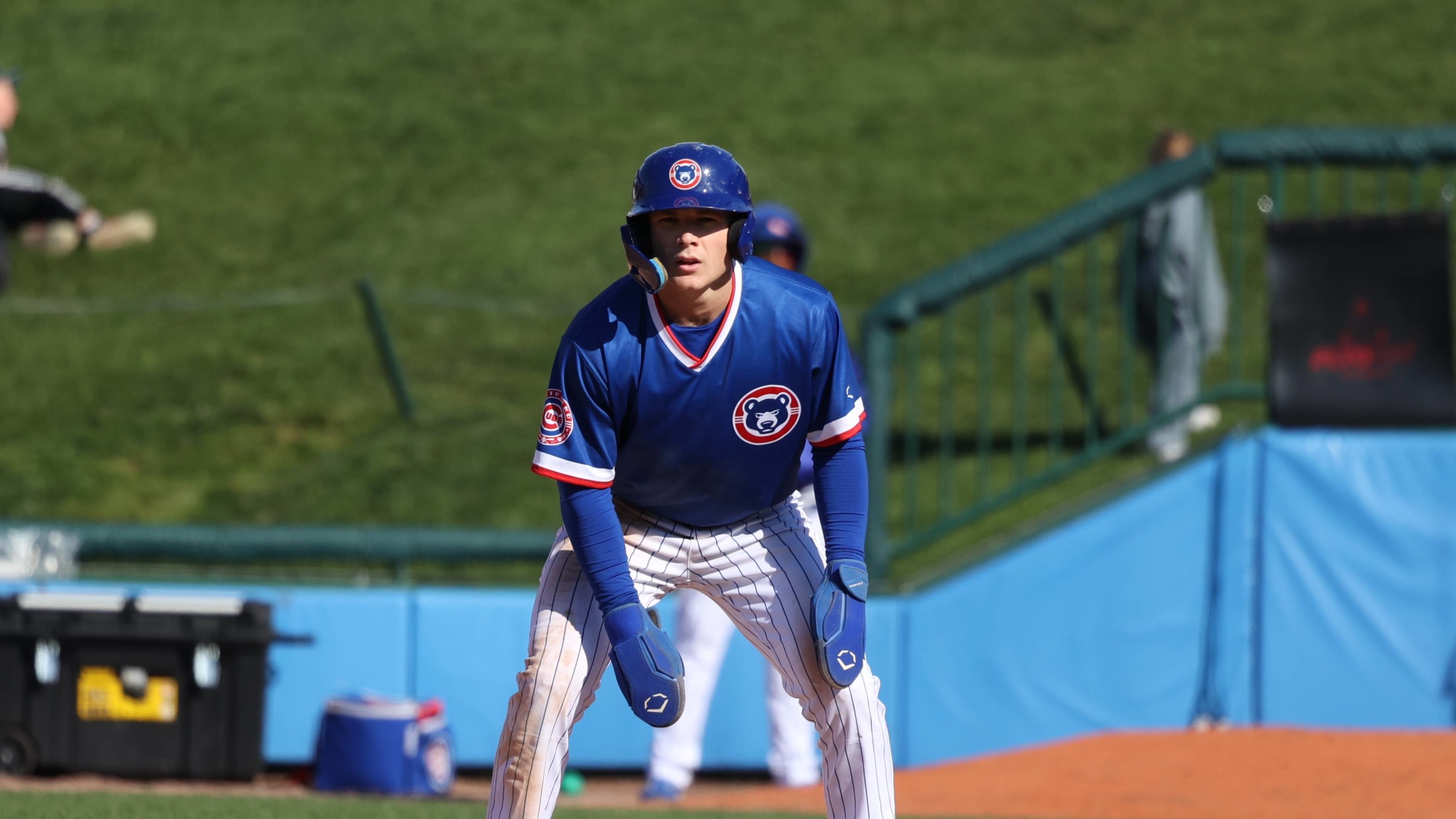
In addition to his strong slash-line statistics, Mathis has hit 10 home runs, driven in 39 runs, and stolen seven bases. Those numbers suggest a well-rounded offensive profile and indicate that he possesses more athletic ability than many players typically associated with corner-infield positions.
Scouts and evaluators have been particularly encouraged by his ability to control the strike zone. Maintaining a high on-base percentage while producing power is often viewed as an important indicator of future offensive success. Although Mathis remains a developing prospect, his early professional results provide reasons for optimism.
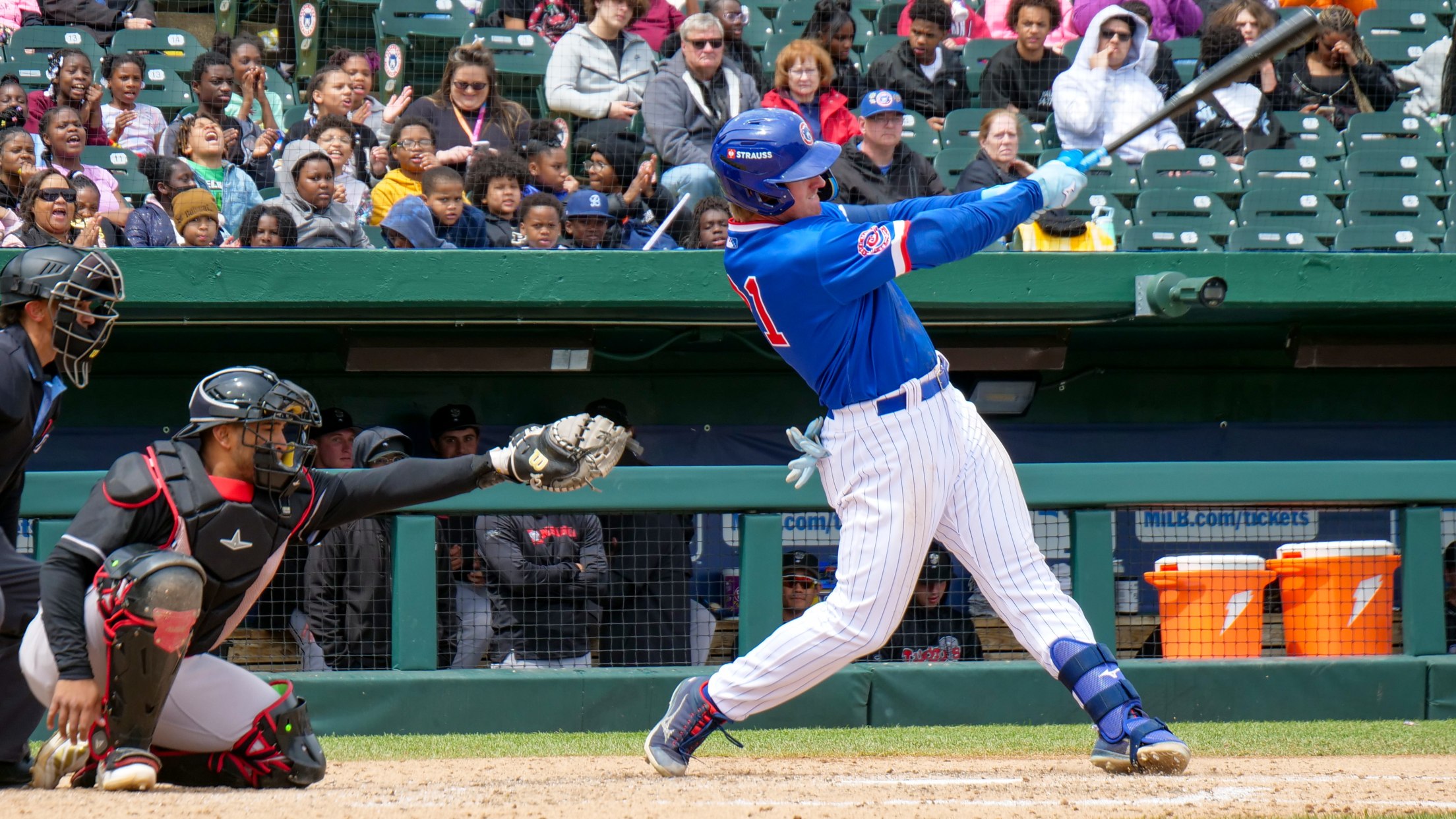
At the same time, it is important to remember that Mathis is still relatively inexperienced. His professional career has been somewhat limited due to circumstances over the past two seasons. In 2025, he appeared in only 29 games at the Single-A level, restricting the amount of development time he was able to accumulate.
As a result, despite being drafted in 2024, Mathis has played only 68 minor league games in total. That limited sample size means there is still much to learn about how his skills will translate as he advances through higher levels of competition. While his offensive numbers are encouraging, prospects often face greater challenges when they move beyond High-A and begin competing against more advanced pitching.

Defensively, Mathis has primarily been utilized as a designated hitter and first baseman throughout his professional career. Those positions place added pressure on offensive production, as players occupying those roles are generally expected to provide significant value at the plate.
The young prospect has also seen limited action at third base, appearing in five games there. Whether he can continue developing defensively and increase his versatility remains an important question. If he proves capable of handling multiple infield positions, his overall value to the Mets organization could rise considerably.
One complication surrounding Mathis is his current health status. The prospect was placed on the seven-day injured list by the High-A South Bend Cubs on June 21. As a result, there is uncertainty regarding when he will be able to make his first appearance within the Mets’ farm system.
The severity of the injury has not been widely detailed, and the timeline for his return remains unclear. The Mets will undoubtedly conduct their own evaluations and determine the appropriate path forward once he officially joins the organization.
Even with that uncertainty, New York’s front office appears confident enough in Mathis’ long-term potential to make him the centerpiece of the return package for Peterson. The organization likely views him as a player who could develop into a meaningful contributor in the coming years.
Ultimately, this trade may represent more than a simple exchange of players. It serves as an indication of where both franchises currently stand. The Cubs are attempting to address immediate needs and strengthen their roster for a playoff push, while the Mets are beginning to look ahead and prioritize future assets.

For Chicago, Peterson offers experienced pitching depth at a time when injuries have created significant challenges. For New York, Mathis provides another promising prospect who could eventually become part of the team’s next competitive core.
As the trade deadline approaches, all signs suggest that the Mets may continue exploring similar deals. If the club remains outside the playoff race, additional veterans could be moved in exchange for younger talent. In that scenario, Mathis may prove to be only the first of several prospects acquired during what could become a transformative summer for the organization.
Whether this strategy ultimately accelerates the Mets’ return to contention remains to be seen. However, the decision to trade Peterson clearly signals a willingness to focus on the future and make difficult roster decisions in pursuit of long-term success. With weeks still remaining before the deadline, baseball observers will be watching closely to see what moves come next and how aggressively New York reshapes its roster for the years ahead.
READ MORE