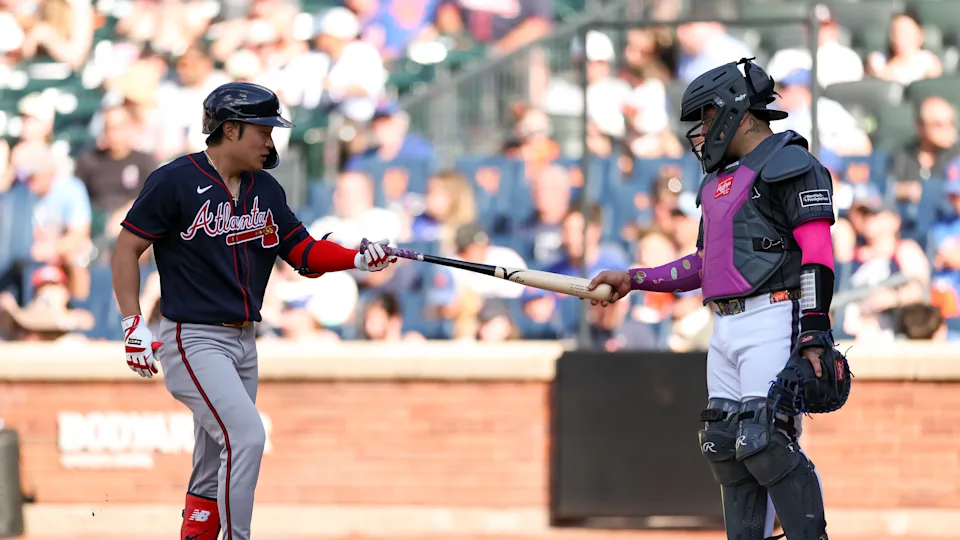
When the Atlanta Braves were firing on all cylinders earlier in the 2026 season, Ha-Seong Kim’s offensive struggles were easy to overlook. The club was winning consistently, the lineup was producing enough runs to mask individual shortcomings, and the team managed to find respectable production at the shortstop position despite Kim’s lack of offensive impact. As long as victories continued to pile up, his slow start was viewed as a temporary slump that would eventually correct itself.
That perspective has changed dramatically over the past several weeks.
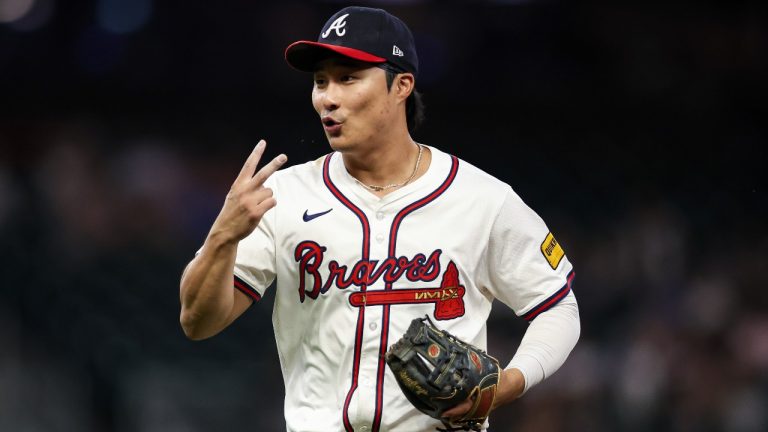
With the Braves now locked in a tightly contested National League East race, every game has taken on greater significance. The margin for error has become increasingly slim, and Atlanta can no longer afford to carry an everyday player who contributes so little offensively. Kim has received an extended opportunity to work through his struggles, but instead of showing signs of improvement, his production has continued to decline. As a result, what was once considered a minor concern has become one of the organization’s biggest questions moving forward.
Atlanta entered the season with high expectations after signing Kim to a one-year contract worth $20 million. The deal represented a significant financial investment, and the Braves hoped his elite defensive reputation, versatility, and experience would provide stability in the middle infield. While no one expected him to become one of the club’s primary run producers, there was a reasonable expectation that he would deliver league-average offense while continuing to excel defensively.
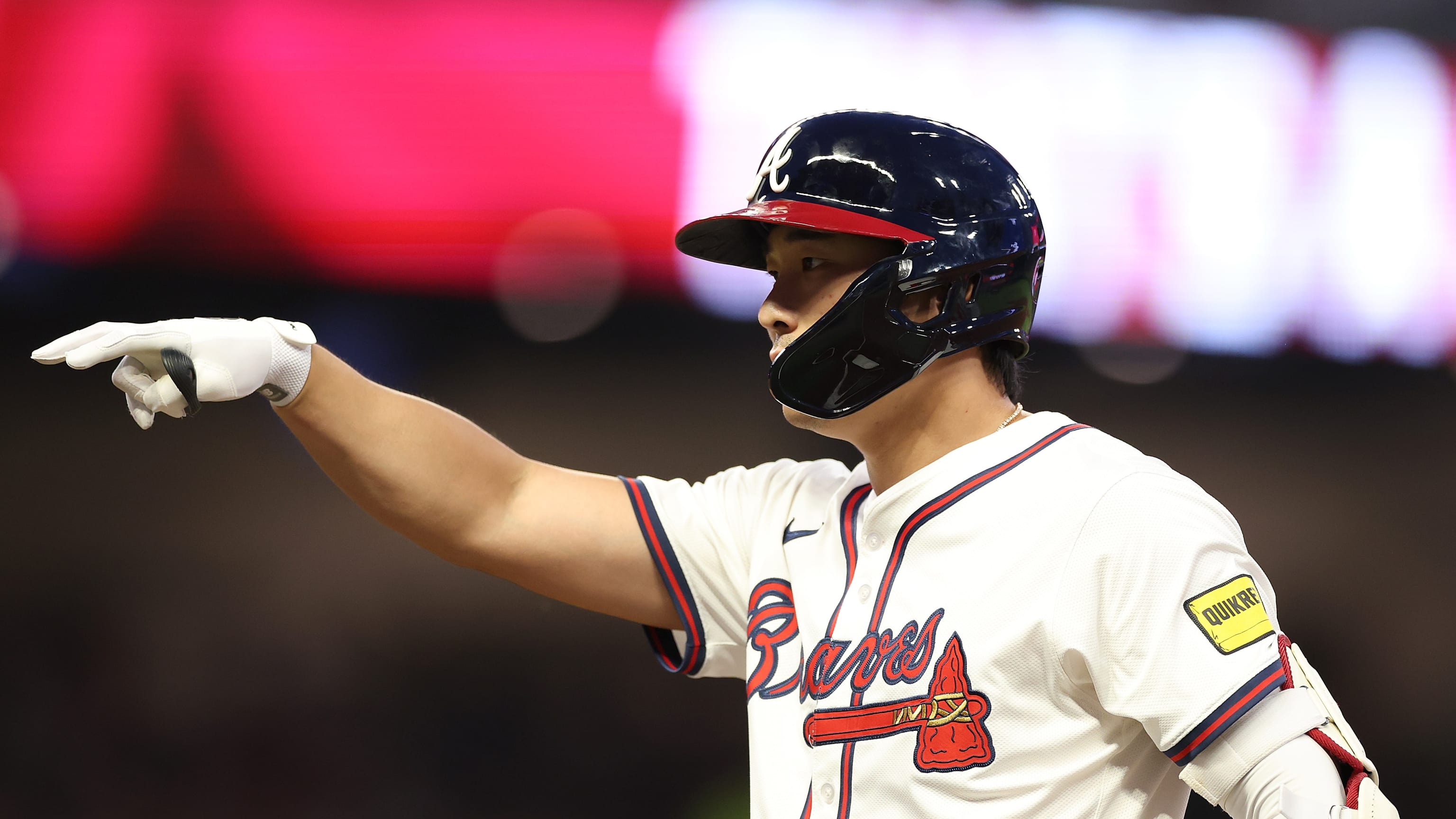
Unfortunately, that balance has not materialized.
Instead, Kim’s offensive production has fallen well below expectations, creating a difficult situation for both the coaching staff and the front office. His continued struggles have reached a point where they can no longer be dismissed as simply a prolonged slump. Every lineup decision is now under greater scrutiny, particularly as Atlanta attempts to keep pace in one of baseball’s most competitive divisions.
Manager Walt Weiss now finds himself in an unenviable position. On one hand, Kim’s contract and track record suggest he deserves opportunities to regain his confidence. Players with proven major league experience often need time to work through difficult stretches, and organizations are generally reluctant to abandon significant offseason investments too quickly.
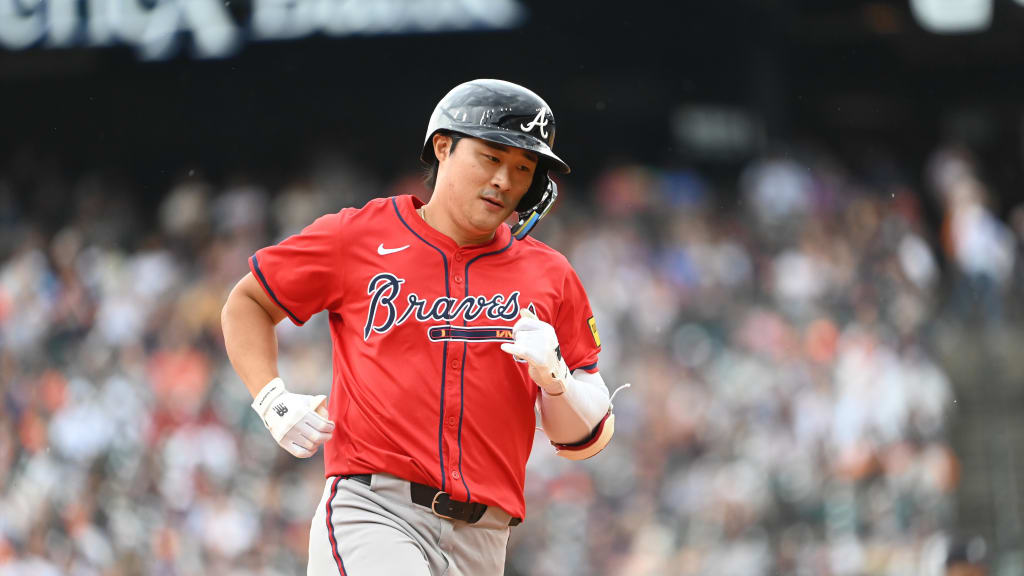
On the other hand, baseball remains a performance-driven business.
As the playoff race intensifies, managers are expected to field the lineup that gives their team the greatest chance of winning on any given night. Continuing to pencil Kim into the starting lineup despite his lack of offensive production could ultimately hurt Atlanta’s postseason aspirations.
The Braves must now determine whether patience remains the best approach or whether it is time to explore alternative options at shortstop.
The discussion surrounding Kim intensified following comments and statistics shared by Braves reporter Mark Bowman on social media. His numbers paint a remarkably difficult picture.
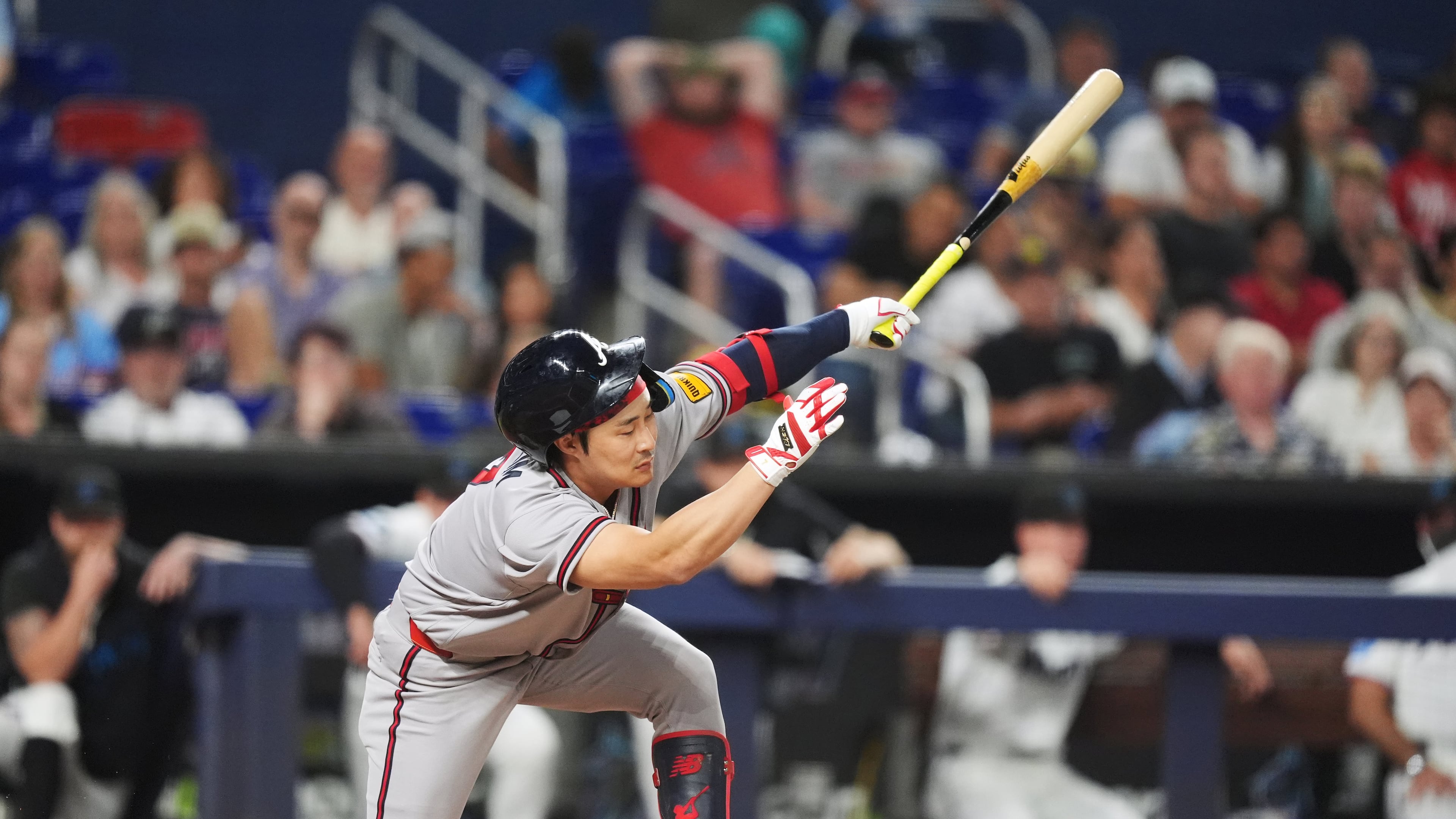
According to Bowman, Kim entered the end of June batting just .068, collecting only five hits in 71 at-bats. One of those five hits came on a successful squeeze bunt rather than a traditional base hit. During his first nine games, he managed only four hits in 31 at-bats, good for a .129 batting average, and since then his production has declined even further.
Perhaps most alarming is the fact that Kim has gone hitless in his last 27 at-bats, extending one of the worst offensive stretches of his professional career.
Bowman also highlighted another startling statistic that illustrates just how severe Kim’s struggles have become. Veteran catcher Sandy León, who was designated for assignment on June 18 and spent only part of the month on Atlanta’s roster, recorded more hits during June than Kim. León finished the month with two hits, while Kim managed only one.

Those numbers have become increasingly difficult for fans and analysts to ignore.
To Kim’s credit, offensive production has never been the defining aspect of his game. Throughout his career, he has earned recognition primarily because of his exceptional defense, athleticism, baseball instincts, and ability to play multiple infield positions at a high level. His value has traditionally come from contributing in several different areas rather than dominating offensively.
Even so, he has historically provided enough offense to remain a productive everyday player.
In previous seasons, including his 2025 campaign with Atlanta, Kim demonstrated occasional power by driving balls into the gaps and contributing extra-base hits throughout the year. While he was never viewed as a middle-of-the-order slugger, opposing pitchers still had to respect his ability to produce timely offense.

That has not been the case this season.
As June came to a close, Kim was still searching for his first extra-base hit of the year, a surprising statistic considering the number of opportunities he has received. The absence of any power production has made his low batting average even more damaging to Atlanta’s lineup. Without doubles, triples, or home runs to offset his struggles, opposing pitchers have been able to challenge him aggressively with little consequence.
The lack of offensive impact has naturally generated widespread discussion among Braves fans across social media.

Some reactions have reflected frustration with the team’s decision to continue giving Kim regular playing time, while others have focused on the financial implications of his contract.
Baseball commentator Bill Shanks drew attention to Kim’s salary by pointing out how much he earns for each game played. In a social media post published on June 27, Shanks wrote that Kim would make approximately $123,456.79 for that evening’s game, emphasizing the contrast between his compensation and his current level of production.
While salary figures often become talking points during difficult stretches, they also increase expectations. Fans naturally expect players with sizable contracts to deliver consistent performances, particularly when their teams are competing for playoff positioning.
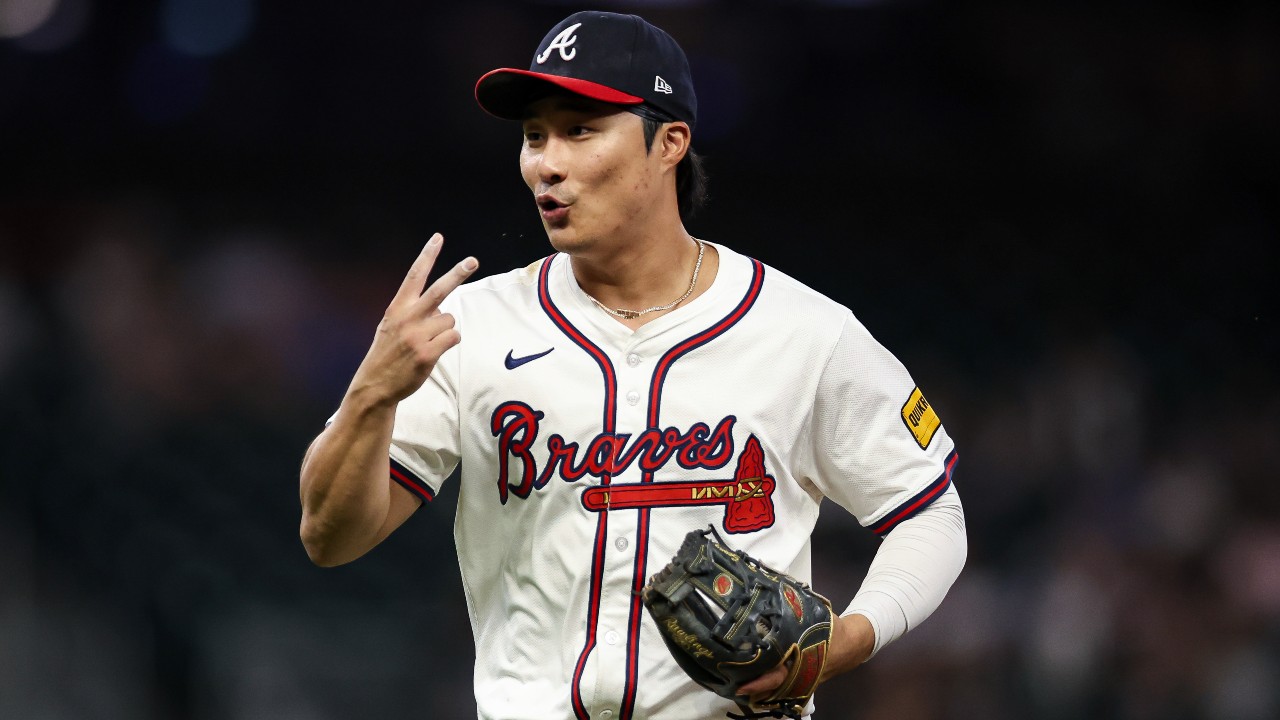
Another fan account, AustinPlanet, shared a statistical breakdown of Kim’s offensive numbers in different situations.
According to the post, Kim had gone 0-for-40 with the bases empty while producing only five hits in 25 at-bats with runners on base. With runners in scoring position, he had managed three hits in 14 at-bats, resulting in an overall batting average of just .074.
The same post also included a highly critical comparison intended to express frustration with Kim’s performance. While many fans understood the emotional nature of the comment, others viewed the wording as unnecessarily harsh. Passion often runs high during a pennant race, and struggling players frequently become targets of criticism, especially when expectations are elevated because of significant contracts.

Still, it is important to remember that prolonged slumps can happen even to experienced major league players. Baseball has a long history of accomplished veterans enduring extended periods where little seems to go right offensively. Sometimes mechanical adjustments, improved confidence, or simply better fortune on balls put into play can reverse a player’s trajectory almost overnight.
Whether that turnaround will happen for Kim remains one of the biggest questions facing Atlanta.
From the Braves’ perspective, the timing could hardly be more challenging.
Atlanta is entering one of the most important stretches of its season, beginning with a series against the St. Louis Cardinals. Every contest carries added weight as the club attempts to remain in contention for the division title and strengthen its postseason position.

In games that could ultimately determine playoff seeding—or even playoff qualification—every lineup spot matters. Teams fighting for championships cannot afford prolonged offensive voids, regardless of a player’s reputation or salary.
That reality leaves Atlanta’s front office with a difficult decision.
Do the Braves continue trusting Kim’s established track record in hopes that positive regression eventually arrives? Or do they reduce his role, explore platoon options, or give another player an opportunity to provide more consistent offensive production?
Neither path is without risk.
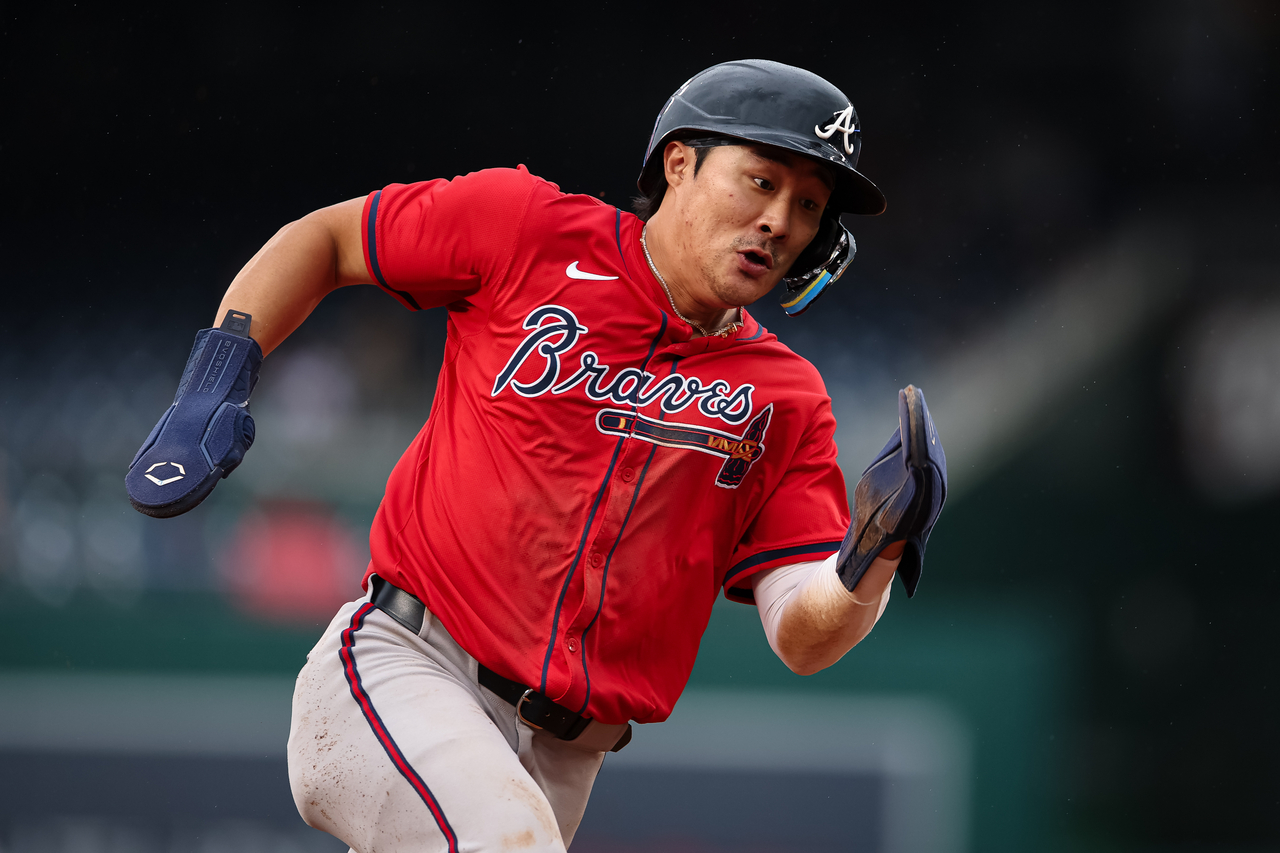
Moving away from Kim too quickly could mean losing patience with a player who has previously demonstrated value at the major league level. Conversely, remaining committed to him despite continued struggles could cost Atlanta valuable wins during one of the season’s most important stretches.

Ultimately, the Braves must prioritize what gives the team the greatest opportunity to succeed both now and in the months ahead. Kim’s defensive abilities continue to provide value, but offensive production has become increasingly important as every game carries postseason implications.
For now, the organization appears to be standing at a crossroads. Kim’s talent and previous accomplishments suggest he is capable of playing much better than he has shown this season. However, baseball is ultimately judged by results, and those results have been difficult to overlook.
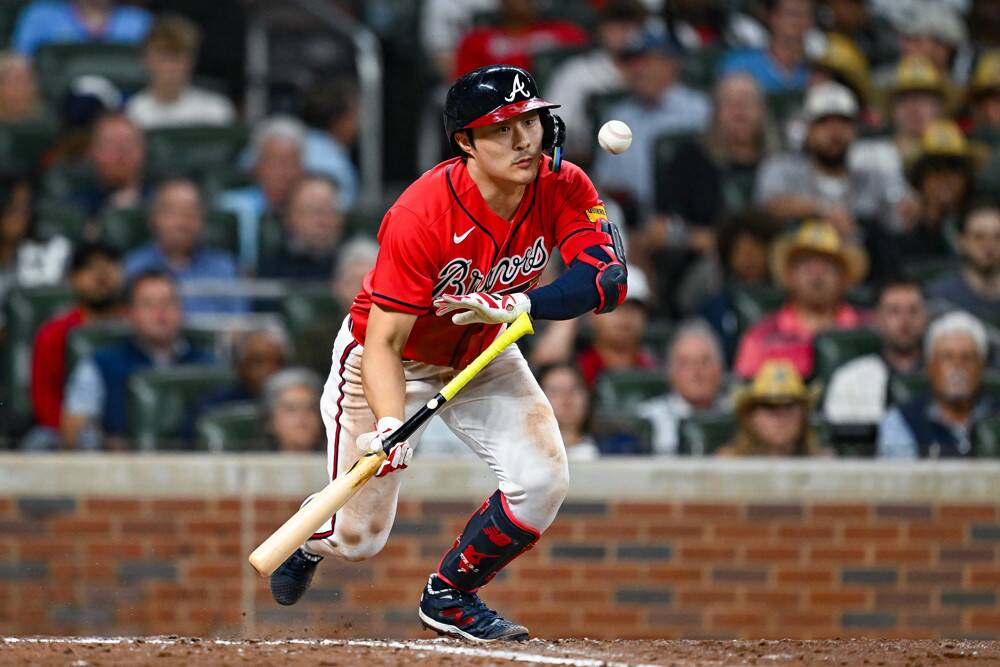
As Atlanta prepares for another critical series and the playoff race continues to intensify, all eyes will remain on Ha-Seong Kim. Whether he can finally break out of one of the worst slumps of his career—or whether the Braves decide to make a significant change—could become one of the defining storylines of Atlanta’s season.
READ MORE