The Philadelphia Phillies have dramatically reshaped the narrative of their 2026 season, transforming what once looked like a disappointing campaign into one that suddenly carries legitimate championship aspirations. After stumbling to a dismal 9-19 start, the organization made a bold managerial change, dismissing Rob Thomson and handing the reins to Don Mattingly. Since then, Philadelphia has played some of its best baseball of the year, climbing steadily up the standings and putting serious pressure on the Atlanta Braves in the National League East race.
The turnaround has been one of the most impressive midseason reversals in Major League Baseball. The Phillies have looked more disciplined at the plate, more confident defensively, and significantly more resilient in close games. Instead of falling further behind the division leaders, they have emerged as a legitimate threat to overtake Atlanta before the regular season concludes.
Despite their resurgence, however, the front office understands that making the postseason is only part of the equation. If Philadelphia hopes to capture its first World Series title since 2008, it may need to strengthen an already improving roster before Major League Baseball’s Aug. 3 trade deadline. The club has made noticeable strides offensively under Mattingly, but another proven middle-of-the-order hitter could elevate the lineup to another level.
That reality has naturally fueled speculation about potential trade targets, and one intriguing possibility has emerged from the West Coast.

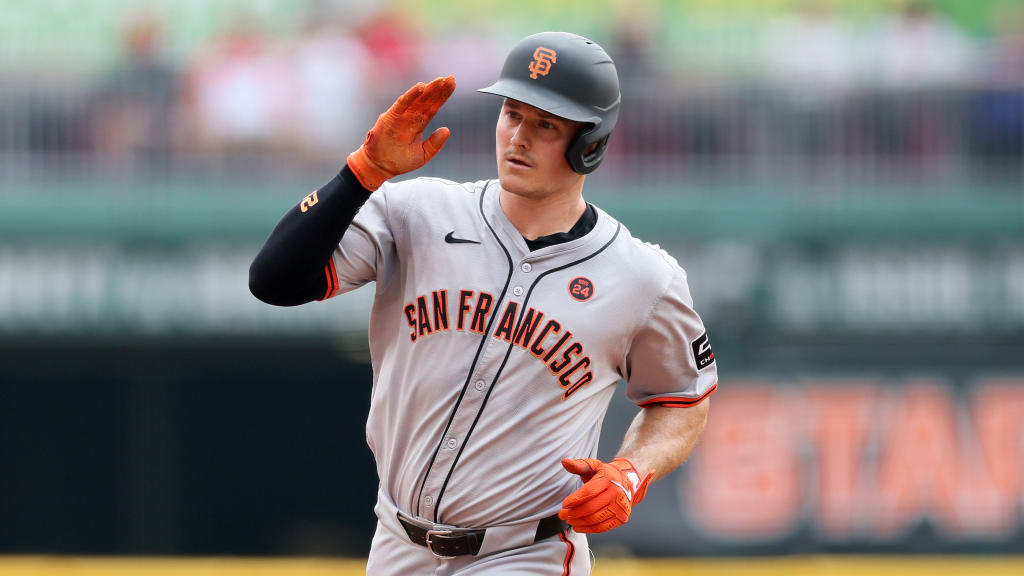
As the San Francisco Giants continue to struggle near the bottom of the National League West standings, many around baseball believe the franchise could become one of the more active sellers before the deadline. If San Francisco decides to shift its focus toward the future, several veteran players could become available, including standout third baseman Matt Chapman.
Chapman has long been regarded as one of baseball’s premier defensive infielders, but he also brings a combination of power, leadership, and postseason experience that could make him an attractive addition for a contender like Philadelphia.

In a recent ESPN analysis examining players who could be moved before the trade deadline, baseball insiders Kiley McDaniel and Jeff Passan identified the Phillies as one of the most logical landing spots for Chapman. They highlighted the veteran’s unique blend of offensive potential and elite defense while noting that his underlying metrics suggest there may still be another level to his offensive production.
According to McDaniel and Passan, Chapman has consistently provided above-average value on both sides of the ball throughout his decade-long major league career. Interestingly, while some of his game-power statistics have declined in recent seasons—including metrics such as barrel rate, sweet-spot percentage, and squared-up contact—his bat speed has actually improved slightly compared to the first season those measurements became publicly available in 2023.
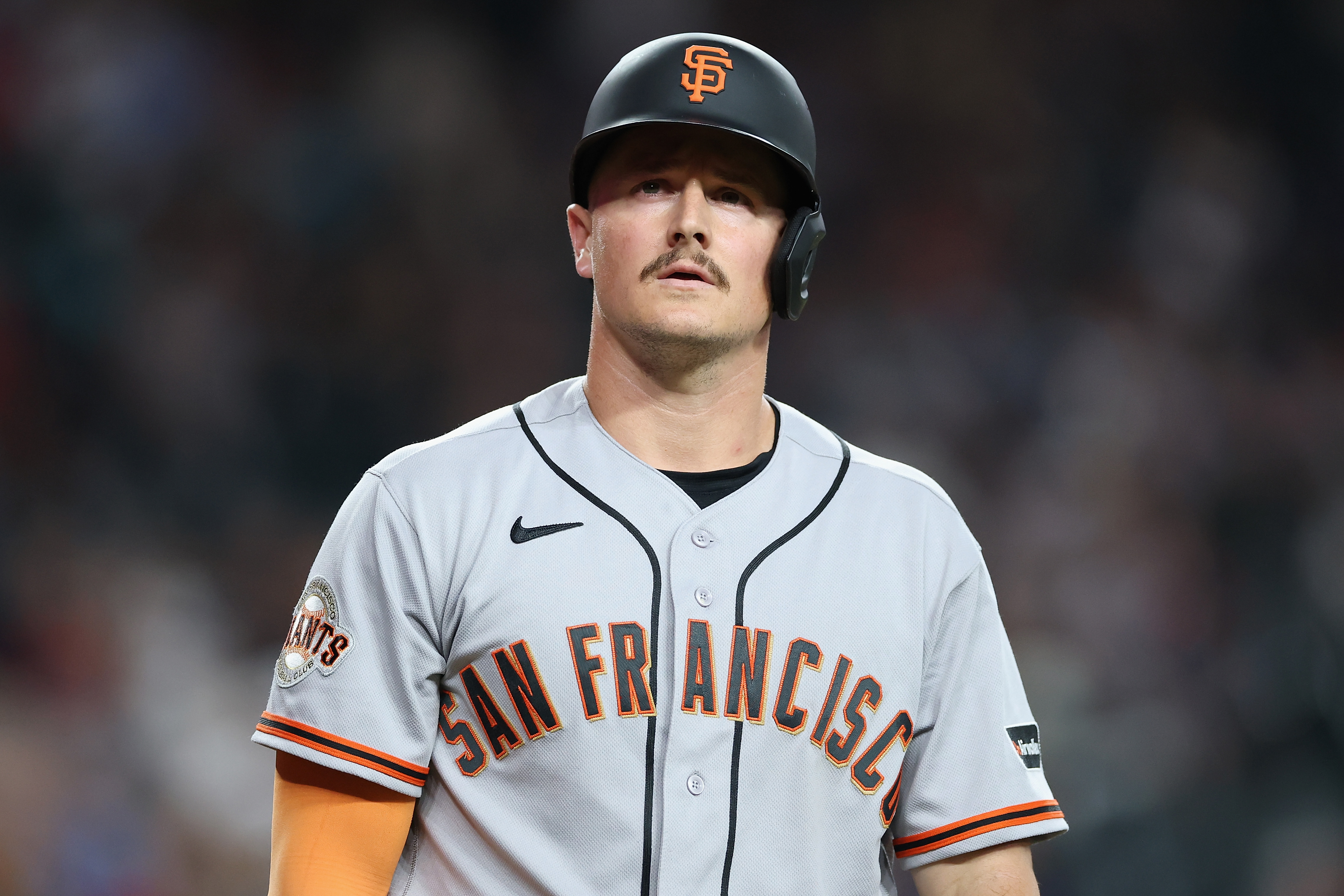
Those contrasting numbers have led evaluators to believe that Chapman’s reduced home run totals may not necessarily be the result of declining physical ability. Instead, they suggest that a relatively minor adjustment to his swing mechanics could help unlock more of the raw power that has defined much of his career. Such tweaks are often made during the offseason, but players occasionally implement them successfully during the regular season as well.
That possibility makes Chapman especially intriguing. Even if his current offensive numbers are somewhat below expectations, many scouts believe his underlying tools remain intact.
Through his first 84 games this season, Chapman has produced seven home runs and driven in 42 runs. While those totals fall short of the elite power numbers he has posted during some of the best years of his career, they still represent valuable production from a player whose overall contributions extend far beyond the batter’s box.

Chapman’s batting average has rarely been among the highest in baseball. In fact, he has eclipsed the .250 mark only once in his previous nine major league seasons. Nevertheless, evaluating his offensive value solely through batting average would ignore several important aspects of his game.
Throughout his career, Chapman has consistently demonstrated patience at the plate, drawn walks, and delivered timely extra-base hits. His ability to lengthen at-bats, force opposing pitchers to work deeper into counts, and provide occasional game-changing power makes him a valuable offensive contributor even when his batting average isn’t particularly impressive.
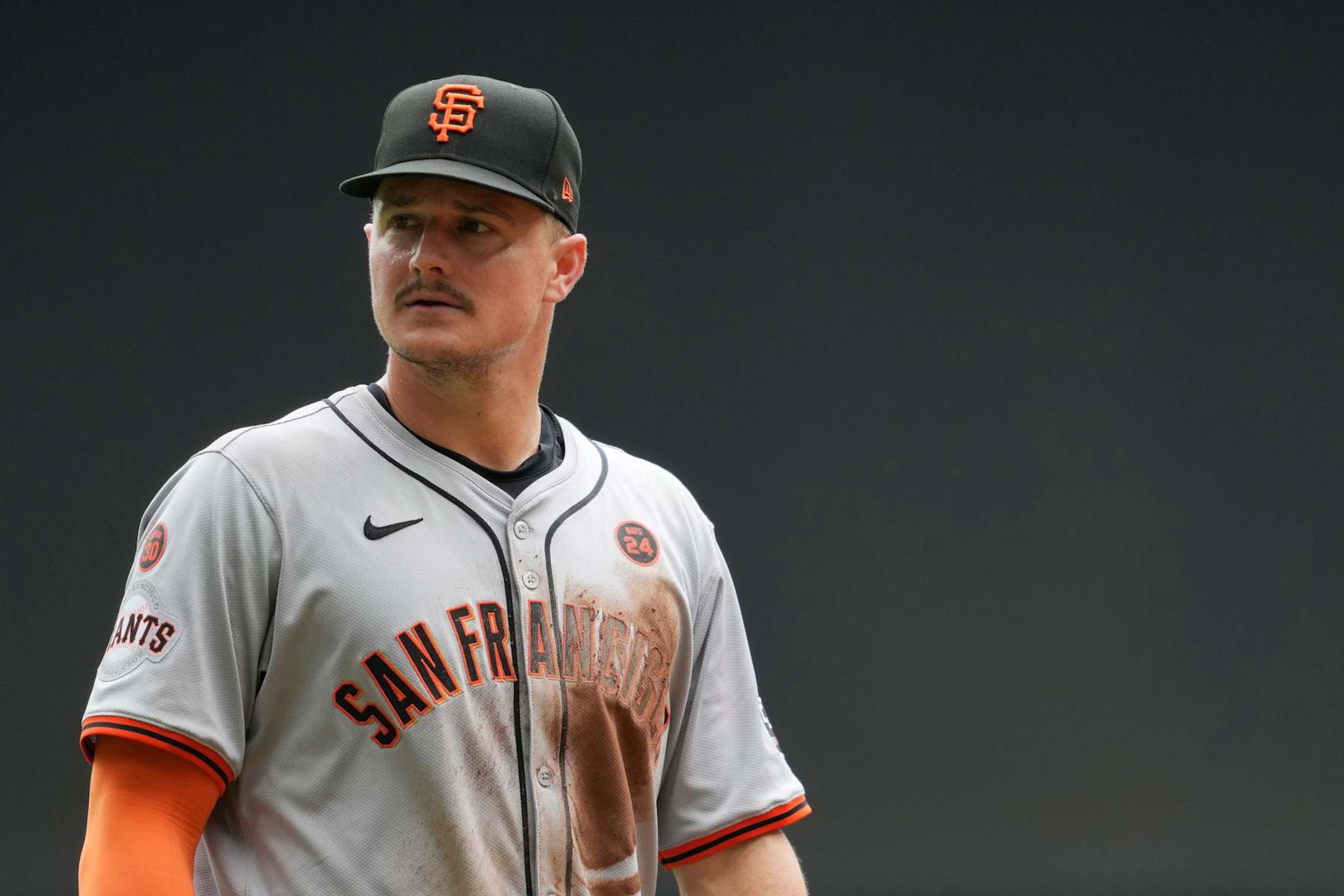
For a Phillies team that already features several dangerous hitters, Chapman would not necessarily be expected to carry the offense. Instead, he could provide balance throughout the lineup while giving opposing pitchers one more veteran bat to navigate.
Garrett Kerman of ClutchPoints recently examined what a potential Chapman trade could mean for Philadelphia and concluded that acquiring the veteran would represent a classic championship push.
From Philadelphia’s perspective, the move would signal a clear commitment to maximizing its current title window. The organization has assembled a roster capable of competing with any team in baseball, but opportunities to win championships are never guaranteed. Adding an established player with Chapman’s résumé would demonstrate that the front office is fully committed to pursuing another World Series.
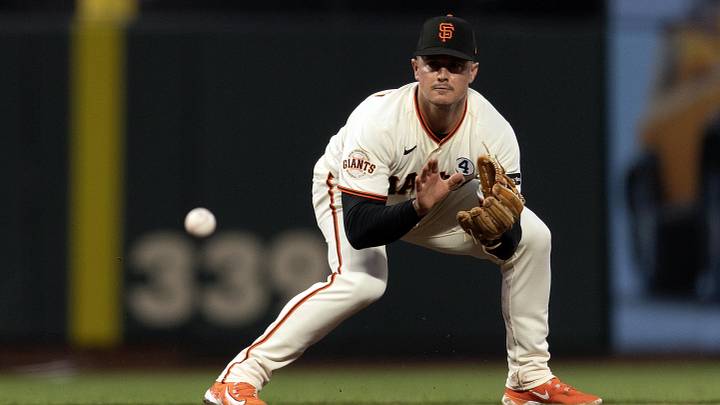
Perhaps even more importantly, Chapman would significantly improve Philadelphia’s infield defense.
Although the Phillies have played better baseball since Mattingly assumed managerial duties, their defense has occasionally remained inconsistent. Defensive lapses can prove especially costly in October, when nearly every postseason game is decided by the smallest of margins.
Chapman has built his reputation as one of baseball’s finest defensive third basemen. His exceptional instincts, lightning-quick reactions, powerful throwing arm, and remarkable consistency have made him one of the game’s most respected defenders for nearly a decade.
His presence at third base could stabilize Philadelphia’s infield while reducing defensive mistakes that often become magnified during postseason competition.
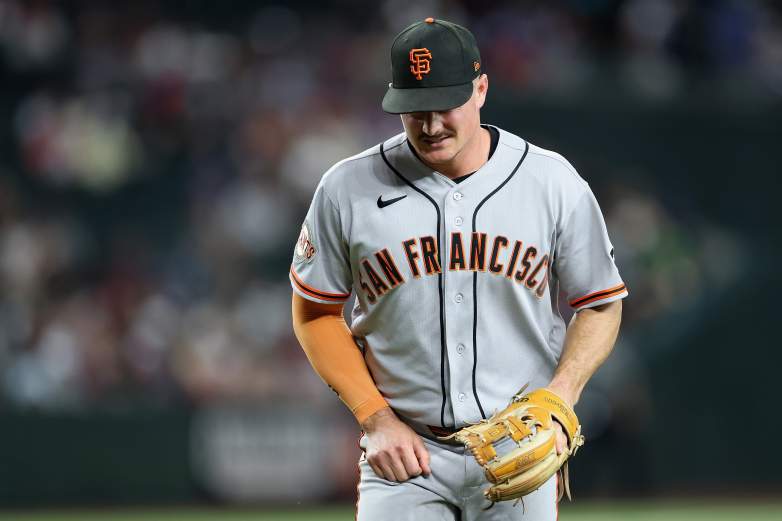
Beyond his measurable contributions, Chapman would also bring invaluable leadership to a clubhouse with championship aspirations.
Veteran players who have experienced playoff baseball often understand the emotional and mental challenges that accompany deep postseason runs. Maintaining composure during high-pressure situations, preparing for elite pitching staffs, and navigating the relentless intensity of October baseball are experiences that cannot easily be taught.
Chapman has accumulated considerable postseason experience throughout his career. He reached the playoffs twice with the Oakland Athletics before making two additional postseason appearances with the Toronto Blue Jays. While he has yet to capture a World Series championship, he has consistently competed on winning teams and understands the demands placed upon clubs chasing a title.
That experience could prove beneficial inside Philadelphia’s clubhouse, particularly for younger players preparing for another playoff race.
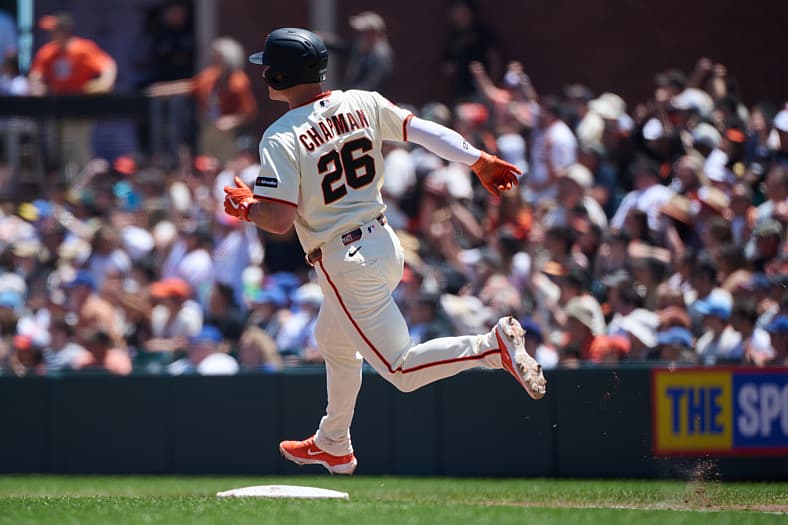
His defensive résumé is equally impressive.
Chapman has earned five Gold Glove Awards during his major league career, establishing himself as one of the premier defensive players of his generation. Winning even a single Gold Glove is considered a remarkable achievement, but capturing the honor five times reflects years of elite defensive excellence.
Even more impressive is the fact that his most recent Gold Glove came in 2024, demonstrating that his defensive skills remain among the very best in baseball despite the natural aging process that affects most veteran players.

Elite defense is often overlooked when evaluating trade candidates, especially those known for their offensive contributions. However, championship teams frequently separate themselves through run prevention just as much as run production.
A player capable of converting difficult plays into outs can save dozens of runs over the course of a season. During a tightly contested playoff series, one exceptional defensive play can alter the outcome of an entire game.
That reality only strengthens Chapman’s appeal for a Philadelphia team looking to improve in every possible area before October arrives.
Still, despite the obvious baseball fit, completing a trade would not be without challenges.
The biggest obstacle is Chapman’s contract.
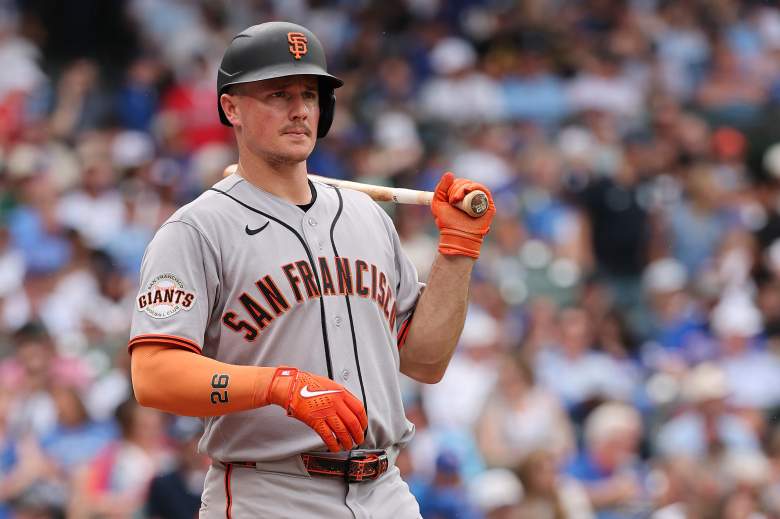
Following the current season, the veteran is still owed slightly more than $100 million over the next four years. While Philadelphia has shown a willingness to spend aggressively in pursuit of championships, absorbing that level of long-term financial commitment requires careful consideration.
The Phillies must evaluate not only how Chapman would help their current roster but also how his contract could affect future roster construction.
Baseball’s financial landscape could become even more complicated in the coming years.
Negotiations between Major League Baseball and the Players Association are expected to become increasingly significant as the current collective bargaining agreement approaches its expiration. Some owners have expressed interest in implementing a salary cap during negotiations that could potentially lead to a lockout following the 2027 season.
Although there is no guarantee that a salary cap will ultimately be adopted, the uncertainty surrounding future payroll rules makes long-term contracts more complicated to evaluate.
If stricter payroll limitations are eventually introduced, teams carrying multiple expensive veteran contracts could face difficult decisions regarding roster flexibility.
For Philadelphia, that means weighing the immediate benefits of acquiring Chapman against the potential financial constraints that could emerge several years from now.
Nevertheless, contenders often prioritize the present over distant uncertainty.
Championship opportunities are precious, and many front offices are willing to assume financial risks when they believe their roster has a realistic chance to win the World Series.
The Phillies appear to fit that description.
Their impressive turnaround under Mattingly has restored confidence throughout the organization, and their pursuit of the Braves atop the National League East has injected renewed excitement into the remainder of the season. With momentum building and expectations rising, the front office may determine that adding another established veteran is worth the financial commitment.
Whether San Francisco ultimately decides to move Chapman remains to be seen. Trade negotiations often depend on multiple variables, including the Giants’ willingness to sell, the prospect package Philadelphia would be willing to offer, and whether competing contenders enter the bidding.
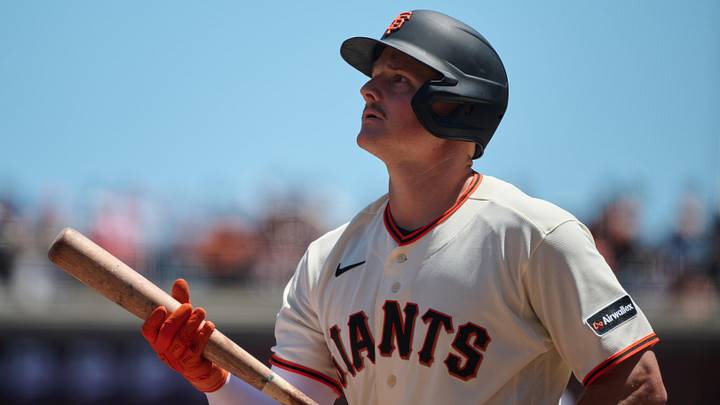
Still, from a baseball standpoint, the connection makes considerable sense.
Philadelphia would acquire one of the game’s most accomplished defensive third basemen, a proven veteran with playoff experience, and a hitter whose underlying metrics suggest there may still be untapped offensive upside. Meanwhile, San Francisco could accelerate its long-term rebuilding efforts by acquiring younger talent while shedding a significant financial commitment.
As the Aug. 3 trade deadline approaches, Matt Chapman is likely to remain one of the most closely watched names on the market. If the Giants decide to listen to offers, the Phillies could emerge as one of the strongest contenders to land the five-time Gold Glove winner.
For a Philadelphia club determined to transform an improbable midseason resurgence into a championship run, acquiring Chapman may be the type of bold move capable of making the difference between simply reaching October and celebrating a World Series title.
READ MORE