The St. Louis Cardinals have made a pair of notable changes to their minor-league pitching depth, parting ways with two pitchers as the organization continues to reshape its farm system.
According to the official Minor League Baseball transaction log, St. Louis released pitching prospects Jawilme Ramírez and Victor Santos during the week. Neither move directly affects the Cardinals’ current Major League roster, but both decisions remove two pitchers who had been part of the organization’s depth chart.
Of the two departures, Santos is easily the more intriguing name.
The 26-year-old right-hander arrived in the Cardinals organization as part of a trade that already looks increasingly unfavorable for St. Louis. The Cardinals acquired Santos and fellow right-handed pitcher Nick Robertson from the Boston Red Sox in December 2023 in exchange for outfielder Tyler O’Neill.
At the time, the move made sense from a roster-construction perspective. O’Neill had struggled to stay healthy and consistently productive in St. Louis, and the Cardinals appeared ready to move on from the veteran outfielder.
Unfortunately for St. Louis, O’Neill went on to put together one of the strongest seasons of his career shortly after leaving town.
Cardinals’ Tyler O’Neill Trade Continues to Look Worse
O’Neill’s first season with Boston in 2024 was a major reminder of what the Cardinals were hoping to get from him during his time in St. Louis.
The slugger appeared in 113 games and posted a .241/.336/.511 slash line with an .847 OPS. He also launched 31 home runs while driving in 61 runs.
Perhaps most importantly, O’Neill finally managed to stay on the field for more than 100 games for the first time since 2021.
Injuries had consistently disrupted his career with the Cardinals, making it difficult for the organization to determine exactly what it had in the powerful outfielder. His production had been impressive when healthy, but his availability remained a major concern.
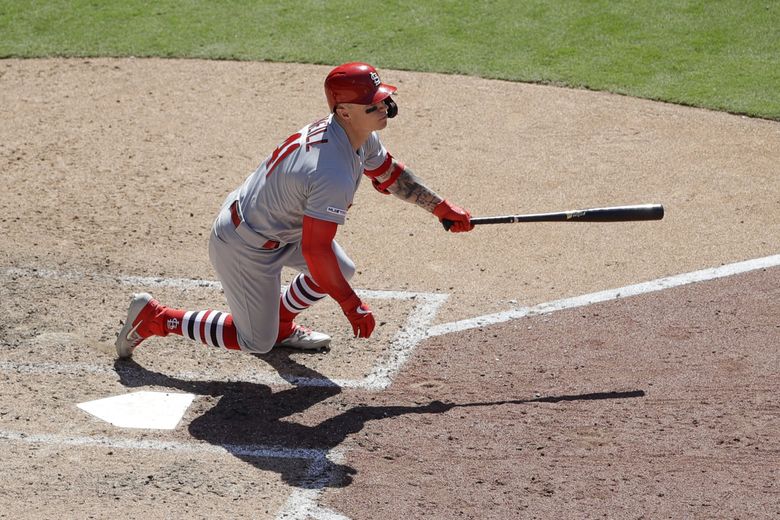
Boston ultimately benefited from getting O’Neill onto the field.
St. Louis, meanwhile, received two pitchers who never managed to establish themselves as meaningful contributors at the Major League level.
Robertson did receive an opportunity with the Cardinals, appearing in eight games in the majors. However, his stint in St. Louis was brief, and he never developed into the dependable bullpen option the organization would have hoped for when making the trade.
Santos had an even longer road through the Cardinals’ system, reaching Triple-A Memphis but never earning the promotion that would have given him his first taste of Major League Baseball.
Now, the Cardinals have decided to move on from him entirely.
Victor Santos’ Cardinals Tenure Comes to an End
Santos’ release is particularly interesting because his 2026 campaign wasn’t necessarily disastrous.
In fact, based purely on his numbers this season, there was a reasonable argument for keeping him around as organizational pitching depth.
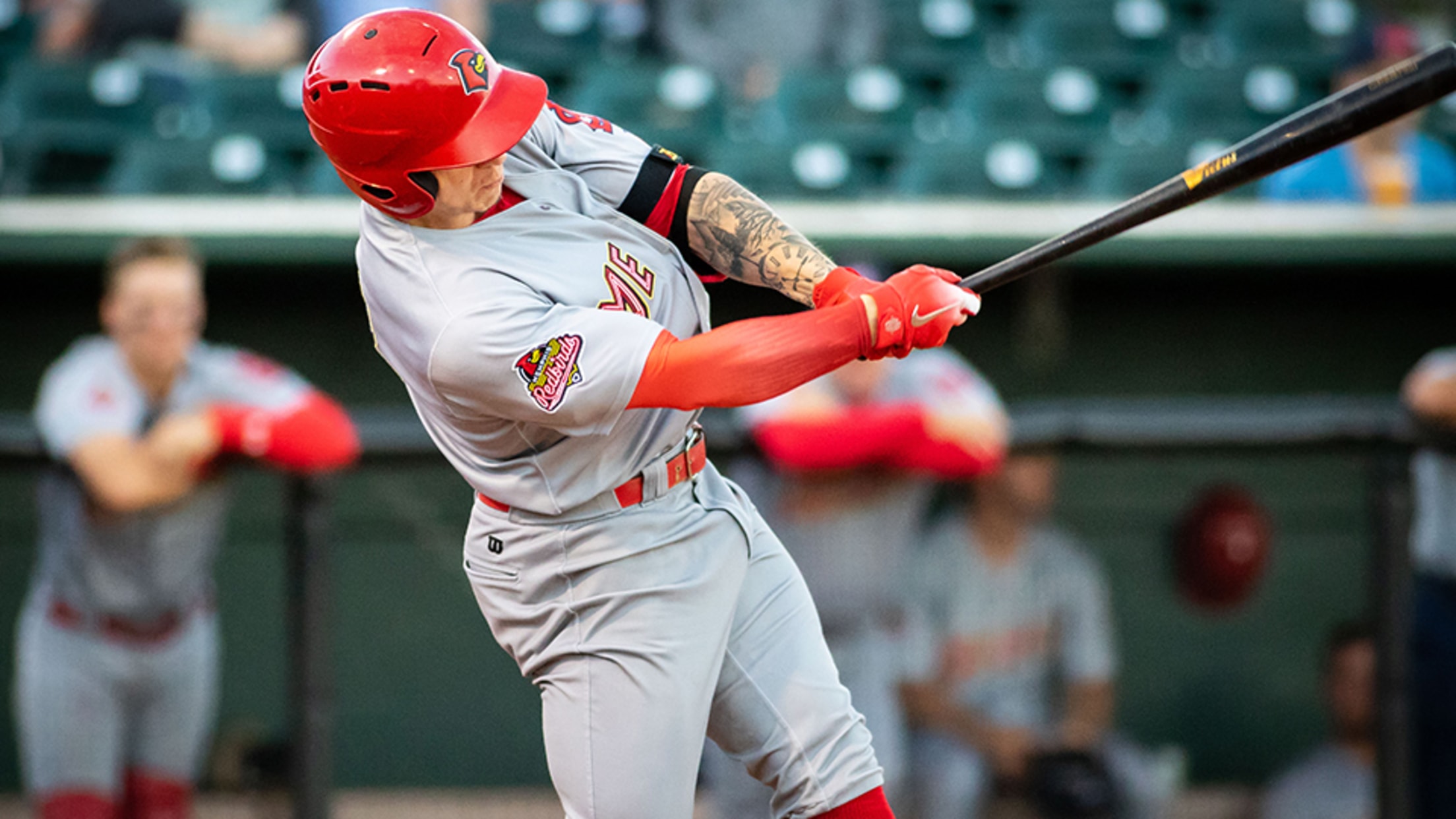
Santos appeared in 17 games across four different levels of the Cardinals’ system this season. His stops included the Florida Complex League, Class-A Palm Beach, High-A Peoria and Triple-A Memphis.
Across 23 innings, he posted a 2.74 ERA.
That number suggests that Santos was still capable of getting outs and providing useful innings, particularly for an organization constantly looking for experienced arms who can move between levels.
But baseball decisions aren’t always based on one season’s ERA.
At 26 years old, Santos was entering a critical stage of his professional career. The window for a minor-league pitcher to make the jump to the majors isn’t unlimited, particularly when he has already spent several seasons in professional baseball without receiving a big-league opportunity.
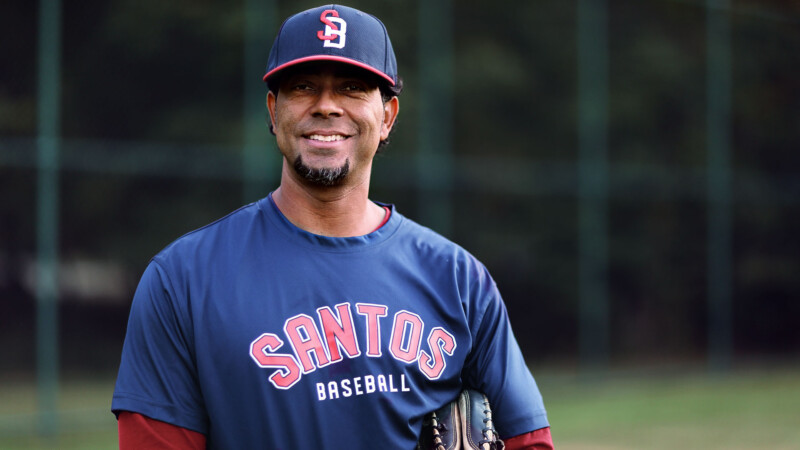
The Cardinals apparently decided that his roster spot would be better utilized elsewhere.
Santos originally began his professional career in 2017 as a member of the Philadelphia Phillies organization. Since then, he has traveled through multiple farm systems, including Philadelphia, Boston and St. Louis.
Over the course of his minor-league career, he has appeared in 151 games and accumulated a 3.95 ERA.
Those numbers show a pitcher who has been able to remain competitive for a long period of time but hasn’t quite done enough to force his way onto a Major League roster.
That could make him an interesting free-agent option for another organization.
Santos Could Still Get Another Opportunity
The end of Santos’ Cardinals tenure doesn’t necessarily mean the end of his professional career.
Far from it.
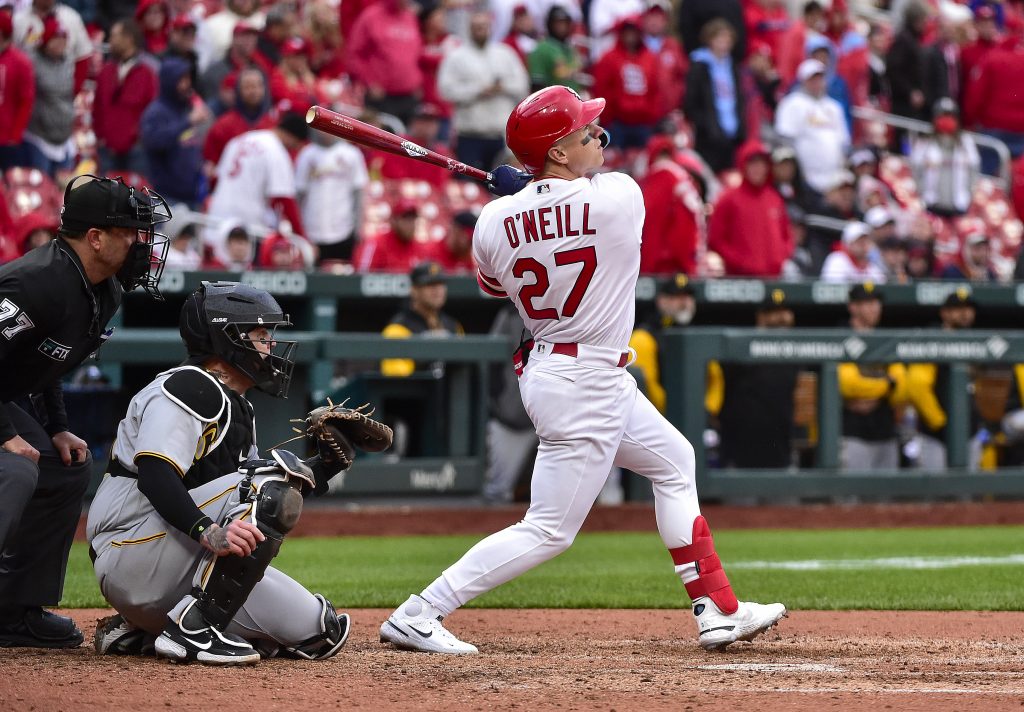
A 26-year-old right-hander with Triple-A experience and a 2.74 ERA during his 2026 campaign could attract interest from teams looking for additional pitching depth.
The biggest selling point may be his experience.
Santos has spent years navigating professional baseball, and he has already pitched at multiple levels. Organizations often need pitchers who can provide emergency depth, make spot starts, work in long-relief roles or fill gaps in a Triple-A bullpen.
Those opportunities could be available to Santos elsewhere.
The challenge is convincing another organization that he has enough upside to justify taking another chance on him.
For the Cardinals, however, the decision indicates that they weren’t convinced he was going to become a legitimate Major League option.
Jawilme Ramírez Also Released
The second pitcher released by St. Louis was Ramírez, a 24-year-old right-hander who has been working his way through the minor leagues since 2021.
Unlike Santos, Ramírez spent the first four seasons of his professional career in the New York Mets organization before joining the Cardinals ahead of the 2025 season.
His first year with St. Louis offered some encouraging signs.
Ramírez pitched primarily at High-A Peoria in 2025 and appeared in 39 games. He finished the season with a 3.02 ERA, giving the Cardinals a reason to believe that he might develop into a useful organizational arm.
The 2026 season, however, has been considerably more difficult.
In 28 appearances with Peoria, Ramírez has posted a 5.50 ERA.
That represents a significant step backward from his 2025 performance.
While ERA alone doesn’t tell the entire story of a pitcher’s development, a jump from 3.02 to 5.50 is difficult for an organization to ignore, especially when it occurs at the same level.
For a prospect trying to move closer to the Major Leagues, the expectation is generally that performance will either remain stable or improve as the player develops.
Ramírez instead went in the opposite direction.
The Cardinals ultimately decided that continuing the relationship wasn’t worth the roster space.
Another Reminder of the Risk Behind Minor-League Development
These two moves highlight something that often gets overlooked when fans evaluate organizational depth.

A Major League team isn’t simply managing its 26-man roster.
Behind that roster is an extensive network of players competing for opportunities, with dozens of pitchers constantly battling for limited spots. Some prospects are released because they’ve failed to develop. Others are let go because the organization has simply run out of room for them.
Sometimes, a player can perform reasonably well and still be released because another pitcher has surpassed him on the depth chart.
That’s likely part of what happened with Santos.
His 2026 numbers were respectable, but the Cardinals may have determined that his ceiling wasn’t high enough to justify keeping him around.
Ramírez’s situation appears somewhat easier to understand. After a promising 2025 campaign, his ERA ballooned to 5.50 this season, and he remained at High-A instead of making the expected climb toward Double-A.
Neither player was viewed as an immediate solution for the Major League club.
The Cardinals Still Have Bigger Problems to Solve
For Cardinals fans, these transactions aren’t likely to dramatically change the team’s fortunes at the Major League level.
Neither Santos nor Ramírez was expected to walk into Busch Stadium and immediately become a key piece of the pitching staff.
Their departures are more about organizational depth than the current Major League roster.
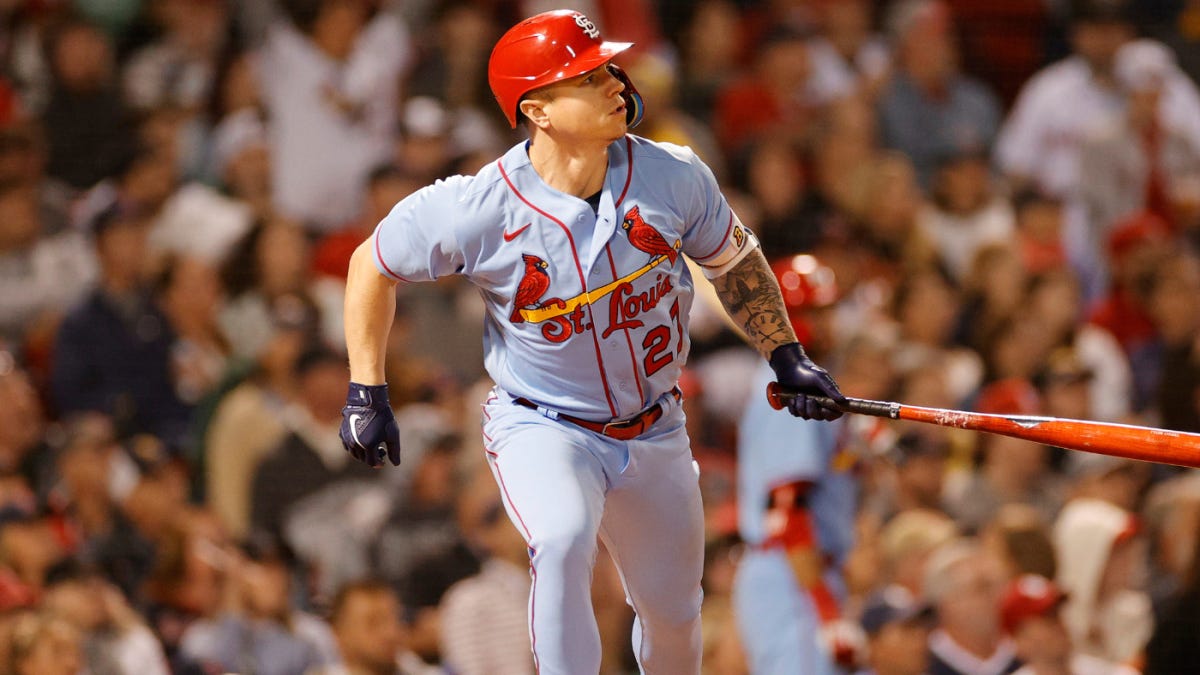
Still, the moves are worth monitoring because minor-league transactions can provide clues about how an organization views its pitching pipeline.
The Cardinals have been working to develop younger talent and establish a stronger foundation for the future. That means difficult decisions have to be made throughout the farm system.
Some prospects will receive additional opportunities.
Others will be pushed aside.
Santos and Ramírez now fall into the latter category.
For Santos, there is at least a strong possibility that another organization could give him a chance. His age, Triple-A experience and respectable 2026 ERA make him a more interesting free agent than his release might initially suggest.
Ramírez could also find another opportunity, particularly given his 3.02 ERA in 2025. A team willing to bet on a bounce-back could view him as a worthwhile reclamation project.
But the Cardinals clearly believe their future is better served by moving forward without either pitcher.
A Small Move With a Bigger Organizational Message
Ultimately, the releases of Santos and Ramírez aren’t blockbuster transactions.
There won’t be a press conference at Busch Stadium. There won’t be a dramatic change to the Cardinals’ Major League pitching staff. Most casual fans probably won’t notice the moves at all.
But organizational baseball is built on decisions exactly like these.
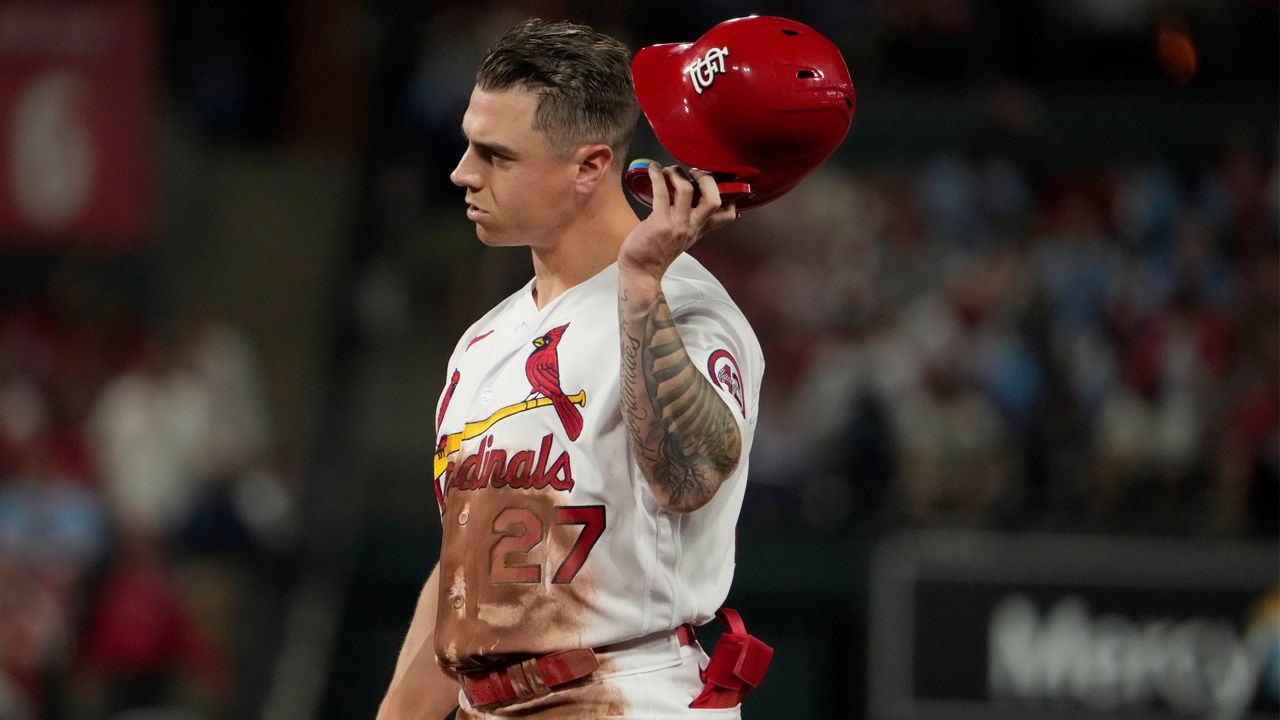
Every minor-league roster spot matters.
Every pitcher competing for a promotion is fighting against another player for the same opportunity. When a front office decides to release someone, it is effectively saying that the organization believes its limited resources can be used more effectively elsewhere.
For Santos, the decision is especially notable because of the circumstances surrounding his arrival.
He was acquired in a trade involving O’Neill, a player who went on to enjoy a highly productive season after leaving St. Louis. Nearly three years later, Santos has exited the organization without ever making a Major League appearance for the Cardinals.
That doesn’t automatically make the trade a disaster, but it certainly doesn’t make the Cardinals’ return look particularly impressive.
Now, Santos will wait for another organization to decide whether his experience and recent performance are enough to earn another opportunity.
Ramírez faces a similar crossroads after a disappointing 2026 season.
The Cardinals, meanwhile, move forward with two fewer pitching prospects in the system.
For now, these departures won’t change the Major League roster. But they do serve as another reminder that building a competitive organization requires constant evaluation, tough roster decisions and a willingness to move on when a player’s trajectory no longer matches the team’s plans.
And for St. Louis, the search for the next wave of pitching talent continues.
READ MORE