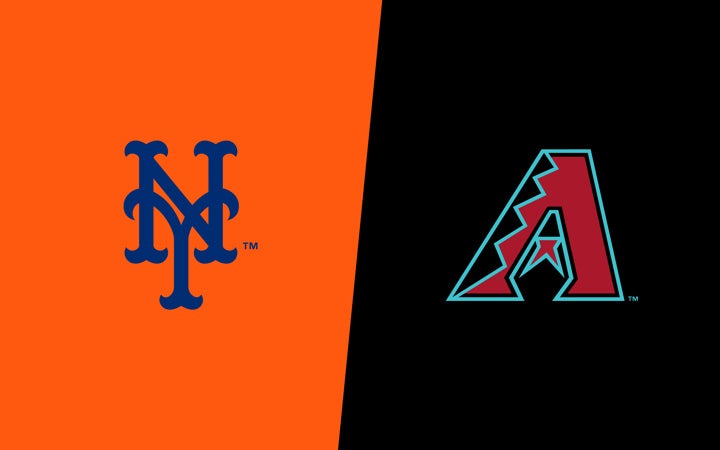
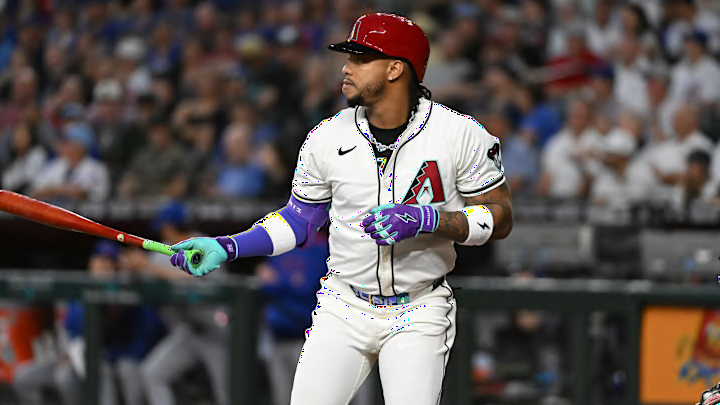
The New York Mets set off a chain reaction across Major League Baseball when they decided to move on from Jeff McNeil. While the trade itself did not bring back a headline-grabbing return, it created a significant vacancy in the Mets’ infield—and almost immediately, speculation began swirling about what the front office might do next. Around the league, one name has surfaced again and again as a possible solution: Arizona Diamondbacks star Ketel Marte.
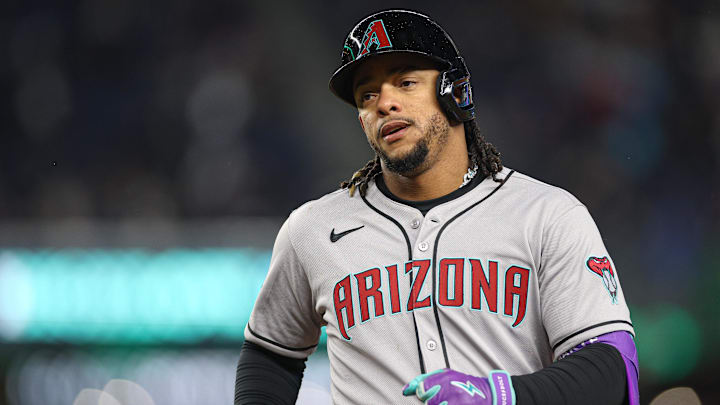
According to respected MLB insider Francys Romero, the Mets’ interest in Marte intensified shortly after McNeil was sent to the Oakland Athletics. While no official talks or offers have been confirmed, the timing of the rumors has fueled widespread belief that New York is seriously exploring a major follow-up move. If the Mets were to land Marte, it would not be a marginal roster adjustment. It would be a bold, franchise-altering decision that would reshape their infield and clearly signal their intent to compete for a championship right now rather than focusing solely on long-term development.
That sense of urgency is important. The Mets are no longer operating like a team content with gradual progress. The McNeil trade, combined with the rumored pursuit of a player of Marte’s caliber, suggests a front office increasingly willing to sacrifice future assets for immediate impact.
It’s important to note, however, that all of this remains speculative. While the analysis is based on credible reporting and league-wide chatter, there has been no official confirmation from either the Mets or the Diamondbacks. Fans should treat these reports as informed projections rather than finalized plans and stay alert for official announcements as the offseason continues to unfold.
Why the Mets Decided to Move On From Jeff McNeil
The turning point came on December 21, 2025, when the Mets traded Jeff McNeil to the Athletics. In the deal, New York sent McNeil along with $5.75 million in cash and received minor-league right-handed pitcher Yordan Rodríguez in return. On the surface, the trade appeared modest, but financially and strategically, it carried major implications.
By moving McNeil, the Mets cleared his $15.75 million salary from their 2026 payroll and removed a $15.75 million club option for the 2027 season. That financial flexibility was likely a driving factor behind the decision. While McNeil remained a productive and versatile player, the organization appeared to believe that his role no longer aligned with the direction the team wanted to take.

McNeil had been a fixture in the Mets’ lineup for years, known for his contact hitting, defensive reliability, and competitive edge. However, the roster around him had changed dramatically. With new stars, shifting positional priorities, and an increased emphasis on power and on-base ability, McNeil’s skill set became less central to the team’s long-term blueprint.
Trading him wasn’t an indictment of his performance; rather, it was a recognition that the Mets needed to reallocate resources. The move gave the front office additional payroll room and opened up new possibilities across the infield, particularly at second base and in utility roles.

The Infield Void and the Marte Connection
Once McNeil was gone, the Mets were left with a clear hole in their infield alignment. While internal options exist, none bring the combination of star power, experience, and versatility that Ketel Marte would provide. That’s why his name has emerged as the most intriguing—and ambitious—target linked to New York.
Marte, a switch-hitting infielder with the ability to play multiple positions, has been one of the Diamondbacks’ most important players for several seasons. He brings power, plate discipline, and defensive flexibility, making him a natural fit for a team looking to upgrade immediately.

Acquiring Marte would drastically alter the Mets’ lineup construction. He could slot into the heart of the order, lengthening an already dangerous batting lineup and providing protection for other stars. Defensively, his versatility would allow the Mets to move pieces around as needed, offering protection against injuries and matchup-based adjustments.
Perhaps most importantly, a trade for Marte would make it clear that the Mets are firmly in “win-now” mode. Players of his caliber are rarely available unless a team is willing to pay a significant price.
What a Mets–Diamondbacks Trade Might Look Like
Arizona is not actively shopping Ketel Marte. The Diamondbacks value him highly, both for his production and his leadership. That said, rival executives understand that Arizona is open to listening if a proposal aligns with their long-term goals—particularly when it comes to pitching depth.

Pitching is widely believed to be the Diamondbacks’ top organizational priority. As a result, any serious offer from the Mets would almost certainly need to be built around young, controllable arms.
A realistic trade package from New York could include one high-end pitching prospect, such as Brandon Sproat or Jonah Tong—both of whom are viewed as potential future rotation pieces. To balance the deal, the Mets might also include infielder Brett Baty, a former top prospect who still has years of team control and could benefit from a change of scenery.
Adding a bullpen arm like Huascar Brazobán could further sweeten the deal, giving Arizona immediate relief help while the younger pitchers develop. This type of package would allow the Diamondbacks to address both short-term needs and long-term planning without fully committing to a rebuild.

The Financial Commitment Behind Marte
Any team acquiring Ketel Marte must be prepared to take on a substantial financial obligation. Marte is under contract through at least the 2030 season. He is set to earn $16 million in 2026, with his salary increasing to as much as $22 million annually in later years of the deal. There is also a player option for the 2031 season, which could extend the commitment even further.
For the Mets, however, this type of contract is not prohibitive. Ownership has consistently shown a willingness to spend aggressively when the opportunity justifies it. Clearing McNeil’s salary was likely a step toward absorbing a larger deal like Marte’s without exceeding internal budget thresholds.

What Each Team Gains From the Move
From the Mets’ perspective, the appeal of Ketel Marte is obvious. He brings a proven middle-of-the-order bat, postseason experience, and the ability to play multiple infield positions at a high level. He would fit seamlessly alongside stars like Francisco Lindor and Juan Soto, forming a dynamic and dangerous core.
Marte’s presence would also give the Mets insurance against injuries and underperformance elsewhere on the roster. His versatility allows the coaching staff to be creative, while his offensive consistency adds stability over a long season.

For the Diamondbacks, the calculus is different. Marte is entering his age-32 season, and while he remains highly productive, his peak years may be limited. Trading him now could allow Arizona to maximize his value by acquiring young pitching that aligns better with their next competitive window.
Additionally, moving Marte’s contract would provide payroll relief in future seasons, giving the Diamondbacks more flexibility to extend younger players or pursue free agents when the time is right.
A Defining Moment for the Mets
Whether or not a deal ultimately materializes, the connection between the Mets and Ketel Marte highlights a larger truth about the organization’s current mindset. This is a team that believes it is close—close enough to justify aggressive moves and calculated risks.

The decision to trade Jeff McNeil was not made in isolation. It appears to be part of a broader strategy to reshape the roster around star-level talent and immediate contention. Pursuing a player like Marte fits squarely within that philosophy.
As the offseason continues, all eyes will remain on the Mets’ front office. If they pull off a blockbuster trade, it could redefine expectations for the upcoming season. If not, the speculation alone has already made one thing clear: the Mets are no longer content to wait. They are pushing their chips toward the center of the table, fully aware of what’s at stake.
For now, fans can only watch, analyze, and wait for confirmation—but the message behind the rumors is unmistakable. The Mets are thinking big, and Ketel Marte may be the next piece in a rapidly evolving puzzle.