Every spring, as the chatter ramps up about who’s locking down second base, how the outfield puzzle will come together, and which arms will stitch the bullpen into something dependable, there’s another, quieter reality unfolding in camp. For every player penciled into the projected lineup, someone else is staring at a locker that might not be theirs come Opening Day. That’s just how it goes. Major league rosters don’t stretch to fit good intentions.
The Texas Rangers will break camp with 26 names. Not 27. Not 30. And when you start counting viable options at nearly every position, it becomes clear that a few familiar faces could find themselves on the outside looking in.
While most of the focus tends to land on the headline battles—fifth starter, final bullpen spots, backup infielder—there are a few players whose margin for error feels especially thin this spring. In some cases, it’s about performance. In others, it’s about roster math. And sometimes, it’s simply about timing.
Here are three Rangers who not only seem unlikely to crack the Opening Day roster but could be headed toward a more permanent departure if things don’t break their way.
Ezequiel Duran – INF/OF
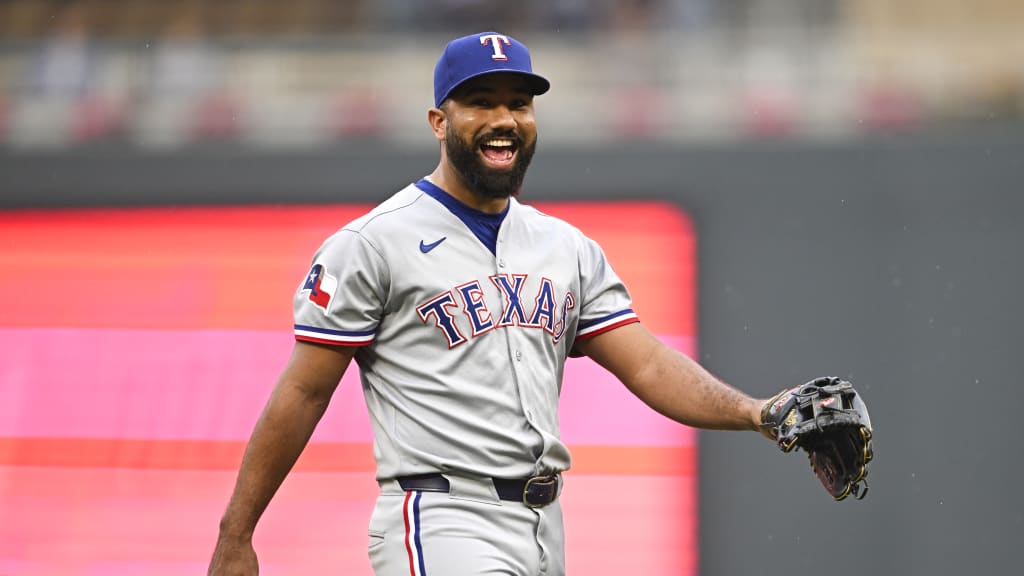
If there were an award for “Most Likely to Defy Roster Logic,” Duran might already have a shelf full of trophies.
For years now, it has felt like every time he’s written off, he finds a way to hang around. Whether it’s a hot streak at the right moment or injuries opening a path, Duran has repeatedly managed to survive roster squeezes that seemed tailor-made to push him out.
But this spring feels different.
Duran, now 26, once looked like a breakout candidate during a scorching first half in 2023. At that point, it seemed as if the Rangers had uncovered a versatile, high-energy bat capable of bouncing between the infield and outfield while contributing meaningful offense. The flashes were real. The impact was tangible.
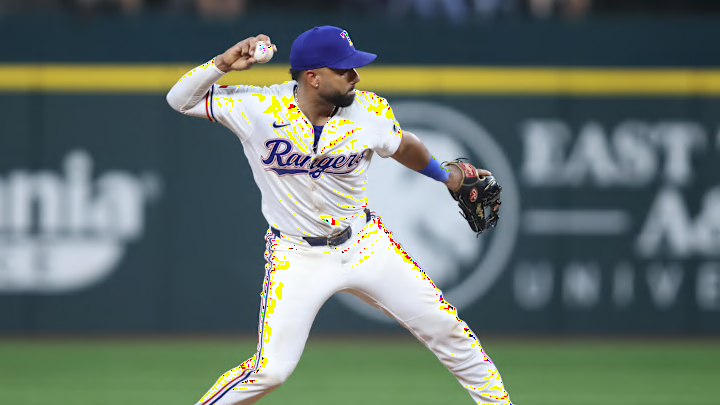
Since then, though, the consistency hasn’t followed.
To open camp this year, Duran is hitting .222 in limited action, collecting two RBIs, drawing four walks, and striking out twice across nine at-bats. On paper, that’s hardly catastrophic. Spring training numbers are notoriously small-sample illusions anyway. But context matters, and the context here is brutal.
Texas isn’t scraping for position-player depth. They’re overloaded with it.
When you look across the diamond and into the dugout, the Rangers have a backlog of players who can handle multiple spots. Versatility—once Duran’s calling card—no longer makes him unique. If anything, it makes him one of several similar pieces competing for a limited number of bench roles.
And that’s where roster construction becomes unforgiving. Teams don’t just evaluate raw talent; they evaluate fit. They ask: Who offers something we don’t already have? Who gives us defensive flexibility? Who balances the lineup? Who still has options? Who can we stash? Who might we lose?
Duran was one of four players acquired in the 2021 trade that sent Joey Gallo to the New York Yankees. At the time, he represented upside—a lottery ticket with legitimate tools. Over the years, the Rangers have given him extended looks, perhaps more than some expected. He’s had chances to seize a permanent role. He’s shown flashes that suggested he might.
But flashes only carry you so far.
With new manager Skip Schumaker now steering the ship, previous loyalties and developmental patience may not weigh as heavily. New regimes often reassess with fresh eyes. They prioritize reliability and role clarity. If Schumaker values defined bench pieces—defensive specialists, speed threats, matchup bats—Duran could find himself squeezed out by players who check more specific boxes.
At some point, even players with “nine lives” run out of extra chances. This could be that spring.
Cal Quantrill – RHP
Pitchers can reinvent themselves. It happens all the time. A tweak to a delivery. A refined pitch mix. A rediscovered velocity band. A new coaching voice. But reinvention requires traction, and right now, Quantrill’s footing looks shaky.

The Rangers signed the 31-year-old right-hander with the hope that he could compete for the fifth spot in the rotation or carve out a role as a long reliever. On paper, that’s a reasonable gamble. Depth starters are essential over a 162-game grind, and veteran arms often resurface in new environments.
But early returns this spring haven’t inspired confidence.
Across four innings, Quantrill has allowed 12 hits and seven earned runs. He’s walked two batters and struck out just one. The command hasn’t been sharp. The swing-and-miss hasn’t been there. And when you’re fighting for a back-end role, you don’t get the luxury of easing into form.
Yes, it’s March. Yes, small samples can deceive. But competition doesn’t pause for context. Other pitchers are throwing well. Other candidates are making their case. And roster spots don’t wait for someone to “eventually settle in.”
There’s also the broader trend line to consider.
Quantrill was once a dependable presence with Cleveland, capable of delivering quality innings and keeping his team in games. That version of him felt durable and steady. But his 2025 season painted a different picture: a 4–12 record, a 6.04 ERA, and a 1.55 WHIP over 117.2 innings. Those aren’t minor dips; they’re red flags.
When a pitcher’s ERA climbs north of six and baserunners pile up at that rate, teams start to question whether decline has set in or whether adjustments can realistically reverse the slide.
To complicate matters, Quantrill is slated to head to Puerto Rico to represent Team Canada in the 2026 World Baseball Classic. International competition can be energizing, even transformative. But from a roster standpoint, leaving camp while already trailing in the competition isn’t ideal. Availability and immediate contribution matter.
The Rangers don’t need Quantrill to be dominant. They need him to be dependable. They need him to provide innings without hemorrhaging runs. If he can’t demonstrate that quickly, the front office may decide that younger arms—or pitchers with stronger spring showings—offer a better return on investment.
At this stage, Quantrill feels like he’s skating on thin ice. Unless he strings together a couple of sharp outings soon, it’s difficult to envision him boarding the plane north when the team finalizes its 26-man roster.
Andrew Velazquez – INF
Some spring training signings are genuine competitions. Others are insurance policies.
Velazquez falls squarely into the latter category.
Originally a seventh-round pick by Arizona, he made his big league debut in 2018 with Tampa Bay and has since bounced across five different organizations. That nomadic path tells a story: he’s valued enough to keep getting looks, but not enough to stick long-term.
Offensively, the numbers are hard to ignore. A career .189 hitter, Velazquez has tallied just 12 home runs and 49 RBIs while striking out 211 times. He’s never profiled as an impact bat, and at this stage, it would be unrealistic to expect a sudden offensive breakout.
The Rangers signed him to a minor league deal in December, and the reasoning was fairly transparent. Spring camps are long. Injuries happen. Coaches want competition. Front offices want contingency plans. Velazquez offers defensive competence and experience—qualities that are useful in March, even if they don’t translate to a roster spot in April.
So far, his performance hasn’t forced the issue. He’s opened camp 1-for-13, and while spring stats can mislead, they also represent opportunity. Bench roles often come down to razor-thin margins. If multiple players are vying for similar spots, the one who strings together quality at-bats or flashes unexpected pop can shift the conversation.

In this case, Velazquez is competing with players like Sam Haggerty, Michael Helman, and Tyler Wade—all of whom bring comparable versatility with potentially more upside or recent momentum. When the competition pool includes players who can run, defend multiple positions, and provide at least league-average offensive production, a glove-first infielder hitting below .200 becomes a difficult sell.
Realistically, Velazquez was always a long shot to make the club out of camp. His presence strengthens internal depth and pushes others to perform. But unless injuries suddenly reshape the roster landscape, it’s unlikely he’ll last through the entire spring as a serious contender for one of those final bench spots.
Roster decisions aren’t always about who is “bad” or who “failed.” Often, they’re about alignment. Timing. Depth. Organizational direction.
The Rangers enter this season with legitimate expectations and a crowded roster. That’s a good problem to have. It means internal competition is fierce. It means players can’t coast on reputation. It means the final cuts will likely include individuals who, in a different year or a thinner organization, might have comfortably made the team.

For Duran, the question is whether versatility still outweighs inconsistency. For Quantrill, it’s whether past reliability can reemerge quickly enough to matter. For Velazquez, it’s whether defensive value alone can justify a bench spot in a numbers-driven game.
Spring training is full of optimism, but it’s also a sorting mechanism. By the time the Rangers finalize their Opening Day 26-man roster, tough calls will have been made. And while surprises are always possible—this is baseball, after all—the odds suggest that at least a few familiar names won’t make the cut.
For some, that could mean Triple-A. For others, a release and a new opportunity elsewhere. Either way, the clock is ticking.