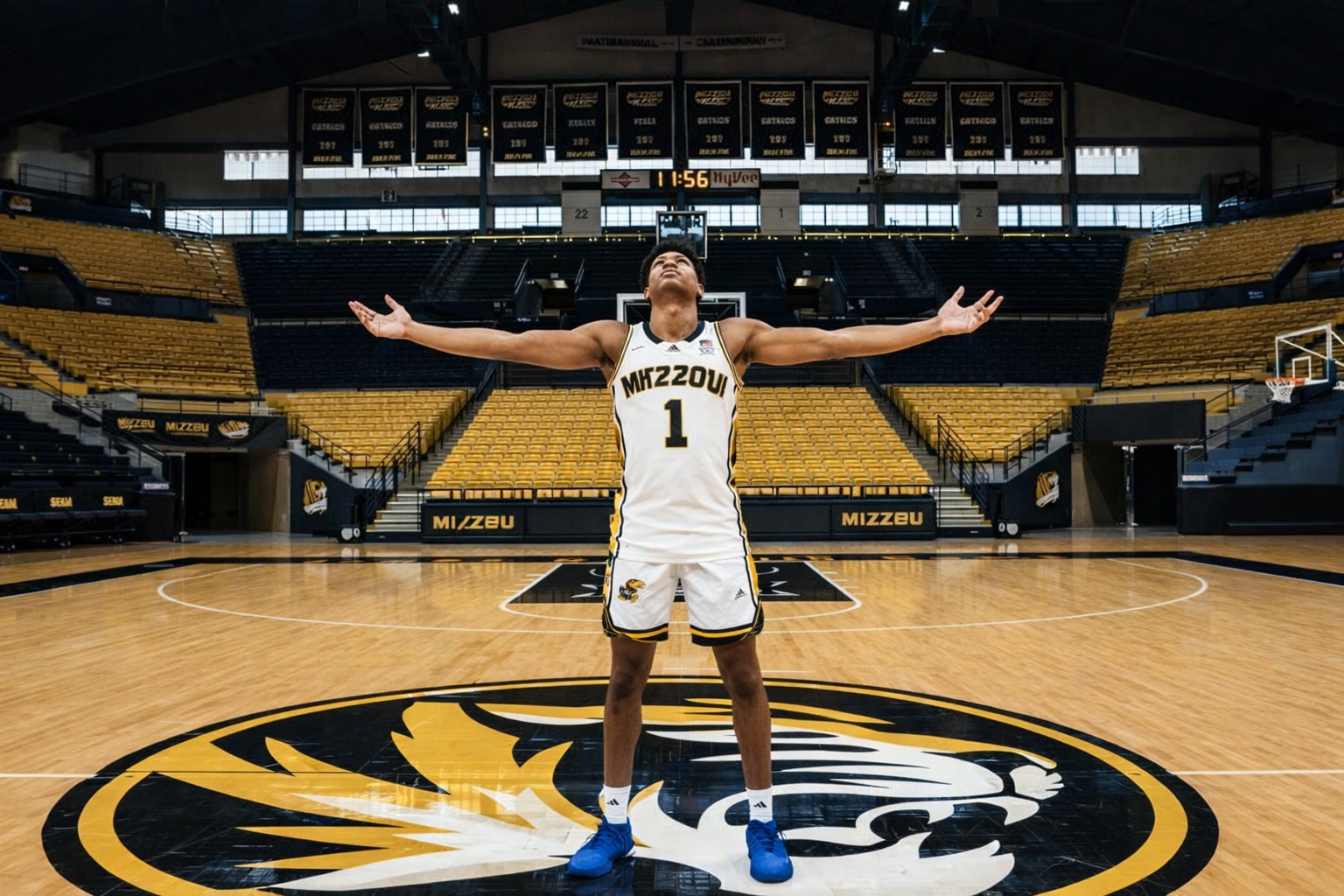
Missouri’s men’s basketball program has strengthened its roster ahead of the 2026 season by securing its third commitment of the offseason, adding redshirt freshman forward Bryson Tiller. According to multiple reports, Tiller ultimately selected Missouri over several other high-profile programs, including Michigan, Arizona, and Miami, signaling a significant recruiting win for the Tigers as they continue to reshape their lineup.
Tiller arrives in Columbia after putting together an impressive redshirt freshman campaign that demonstrated both his potential and his readiness to contribute at a high level. Over the course of that season, he averaged 7.9 points, 6.1 rebounds, 1 assist, and 1.3 blocks per game. His efficiency was solid as well, as he shot 44.9% from the field and showed flashes of perimeter ability by hitting 26.9% of his three-point attempts. While those numbers may not immediately jump off the page compared to star players, they become far more notable when considering his role and consistency. Tiller started 31 of his team’s 35 games and averaged 25.9 minutes per contest, reflecting the trust placed in him by his coaching staff. Among returning Missouri players, only one had averaged more minutes and points per game, underscoring just how impactful Tiller could be in a larger role moving forward.
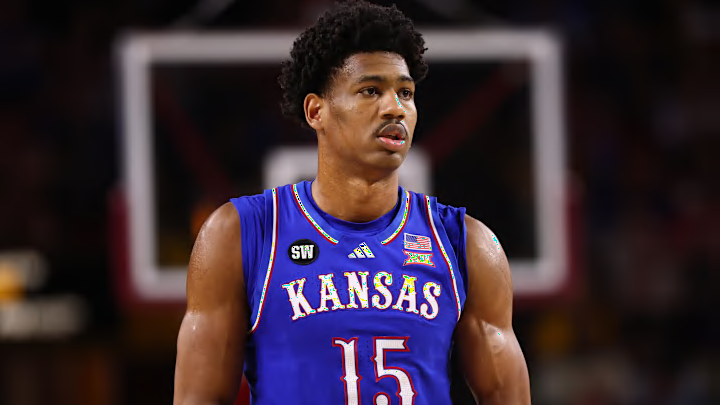
Entering the transfer portal, Tiller was widely regarded as one of the more coveted frontcourt players available. Recruiting services rated him as a four-star transfer and ranked him as the No. 7 power forward in the transfer class. His reputation was not built solely on his college performance, either. He had previously been considered a four-star recruit in the high school class of 2025, highlighting the sustained belief in his long-term potential. That combination of proven collegiate production and strong recruiting pedigree made him an attractive target for multiple programs seeking size, versatility, and defensive presence.
Before his time in college basketball, Tiller developed his game in the Overtime Elite League, a professional pathway designed for elite young prospects. During his stint there, he showed steady improvement and productivity. In the 2022–23 Overtime Elite season, he averaged 11.5 points and 6.9 rebounds per game, establishing himself as a reliable contributor. The following season, he took another step forward, increasing his averages to 12.2 points and 9.4 rebounds per game. These performances not only showcased his scoring and rebounding ability but also hinted at his growth trajectory as a player capable of handling increased responsibility.
An important connection also played a role in his decision to transfer to Missouri. During his time in Overtime Elite, Tiller worked under Tim Fuller, who served as Vice President of Recruiting and Player Personnel. Fuller now holds a leadership role within Missouri’s basketball program, and the reunion between the two could prove beneficial. Familiarity with Fuller’s approach and expectations may help Tiller transition smoothly into Missouri’s system, while Fuller already has firsthand knowledge of Tiller’s strengths, work ethic, and developmental needs.
Physically, Tiller brings exactly the kind of presence Missouri needs in its frontcourt. Standing at 6-foot-11 and weighing approximately 240 pounds, he offers both size and strength, assets that will be particularly valuable given the roster changes the Tigers are facing. Missouri is losing two key interior players—starting power forward Mark Mitchell and starting center Shawn Phillips Jr.—both of whom exhausted their eligibility following the 2025–26 season. Their departures leave a significant gap in terms of rebounding, rim protection, and interior scoring, and Tiller is expected to help fill that void.
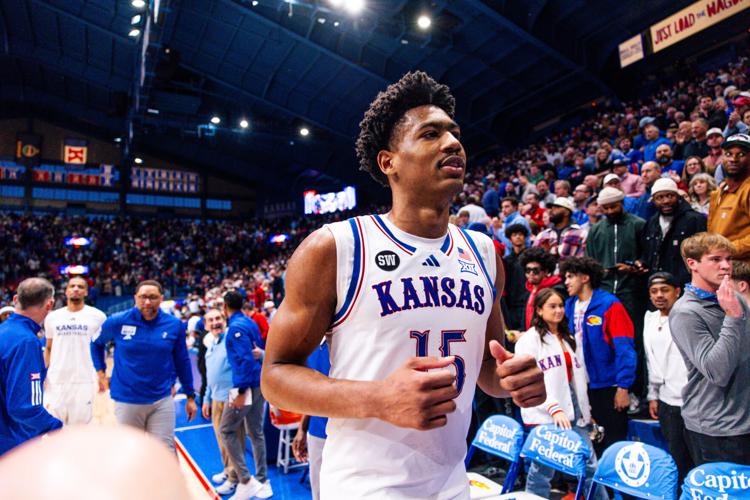
However, his path to a starting role will not necessarily be uncontested. Missouri’s frontcourt will feature a mix of new and returning talent, including incoming freshman Toni Bryant and towering 7-foot-5 center Trent Burns. This competition could push Tiller to elevate his game further, as he works to secure a starting position while also adapting to a potentially expanded role. Regardless of whether he begins the season in the starting lineup, his experience and versatility suggest he will play meaningful minutes.
Tiller’s background also includes valuable experience playing alongside elite talent, which could ease his transition into Missouri’s evolving roster. Last season, he shared the court with Darryn Peterson, a player widely projected to be a top-three pick in a future NBA Draft. Playing in a supporting role next to a high-usage star like Peterson likely required Tiller to focus on complementary skills such as defense, rebounding, and efficient scoring opportunities. Those experiences may serve him well at Missouri, where he will again be part of a team featuring highly regarded players.

Looking ahead, Tiller will join forces with incoming freshman Jason Crowe Jr., a top-10 recruit who is expected to be a focal point of Missouri’s offense. Crowe’s scoring ability and playmaking are anticipated to drive the team’s offensive production, and Tiller’s role could revolve around providing balance—setting screens, finishing around the rim, controlling the boards, and anchoring the defense. The combination of Crowe’s perimeter talent and Tiller’s interior presence could create a more dynamic and versatile offensive attack for the Tigers.
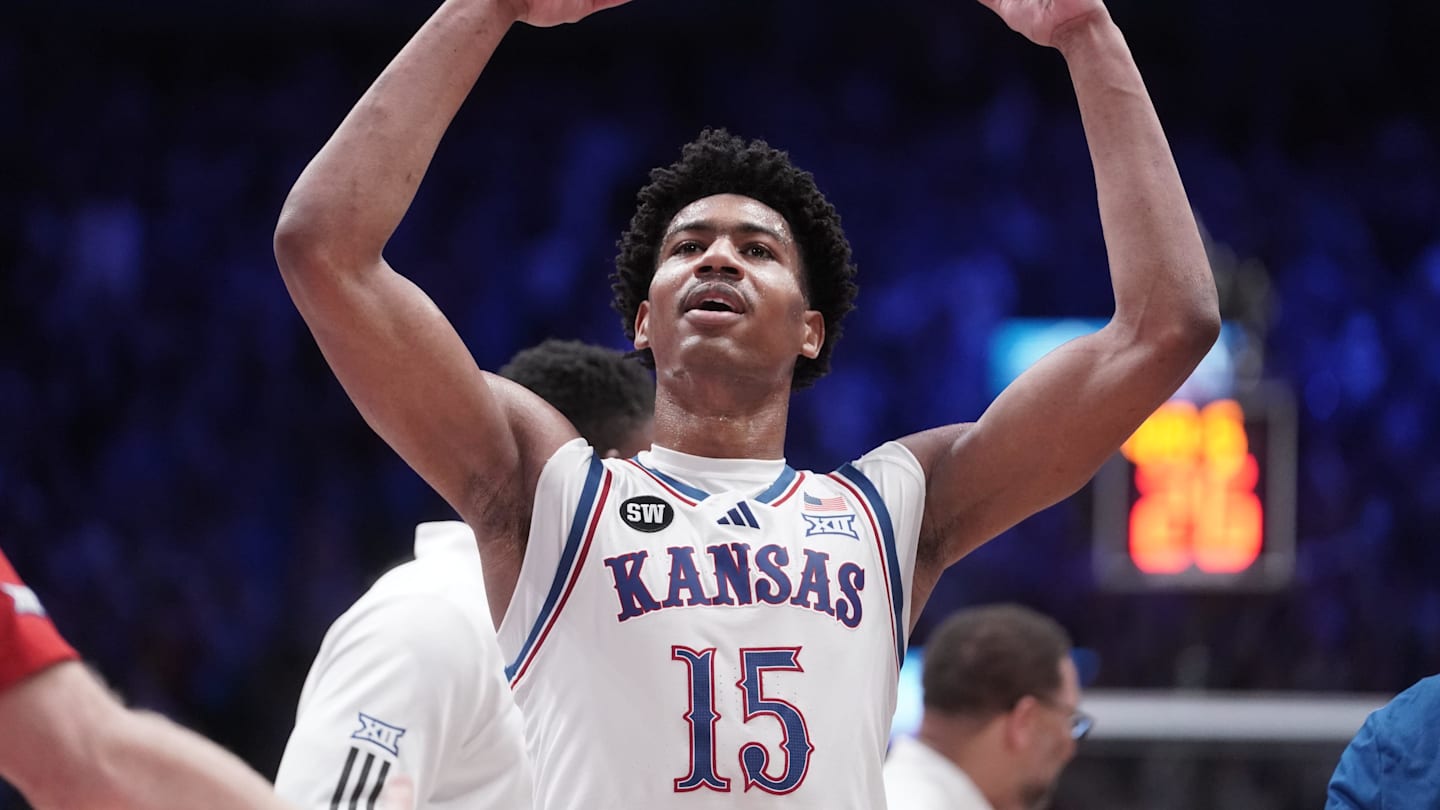
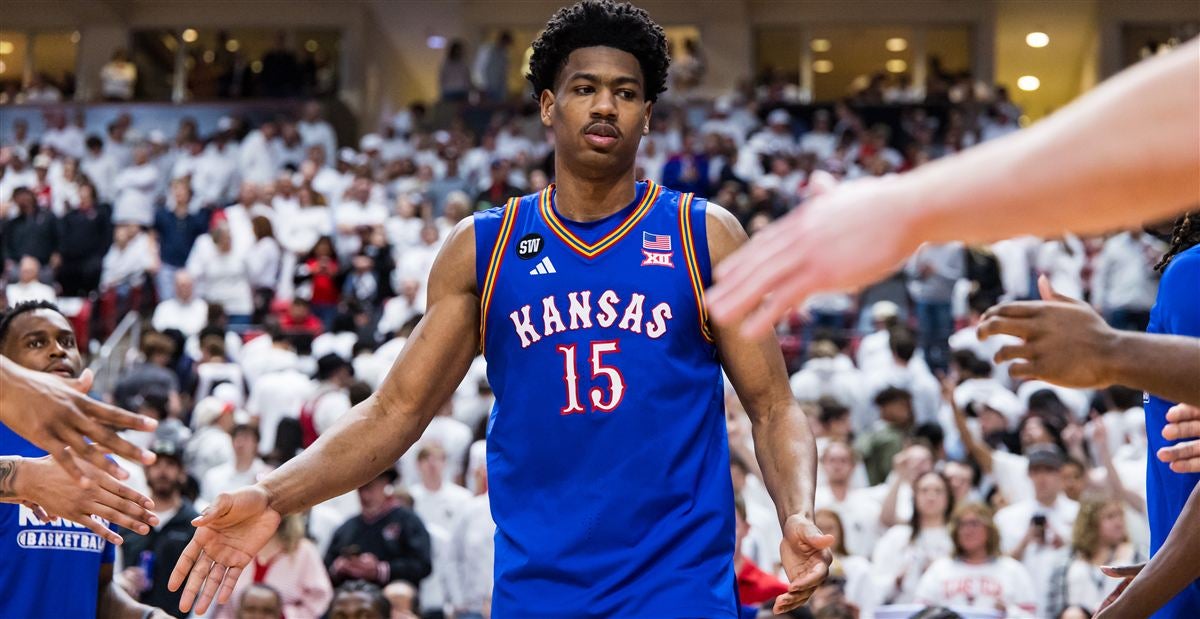
Another intriguing aspect of Tiller’s transfer is the historical context surrounding his college affiliations. He is among a relatively small group of players who have suited up for both Missouri and Kansas, two programs with one of the most storied rivalries in college basketball. This rivalry, often referred to as the Border War, carries significant emotional and historical weight, adding an extra layer of intrigue to Tiller’s move. Few players have experienced both sides of this rivalry, and even fewer have had the opportunity to compete against their former team after switching sides.
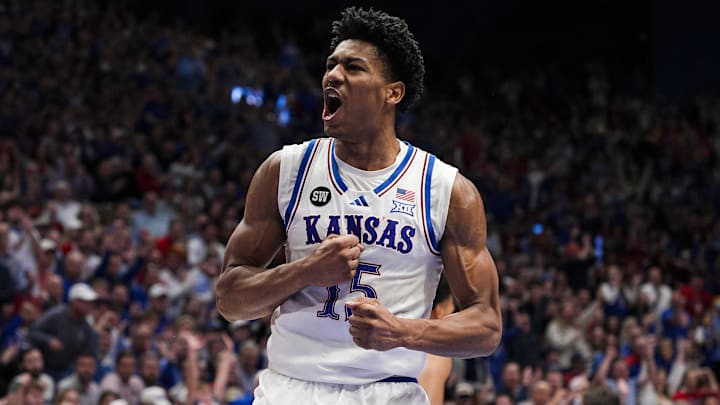
A recent example of a player making a similar transition is Parker Braun, who played for Missouri during the 2020–21 and 2021–22 seasons before transferring to Kansas for the 2023–24 campaign. While Braun did face Missouri as a member of Kansas, he never had the chance to play against Kansas during his time with the Tigers. Tiller’s situation differs in that he has already competed against Missouri as a member of Kansas, delivering a notable performance in the process.
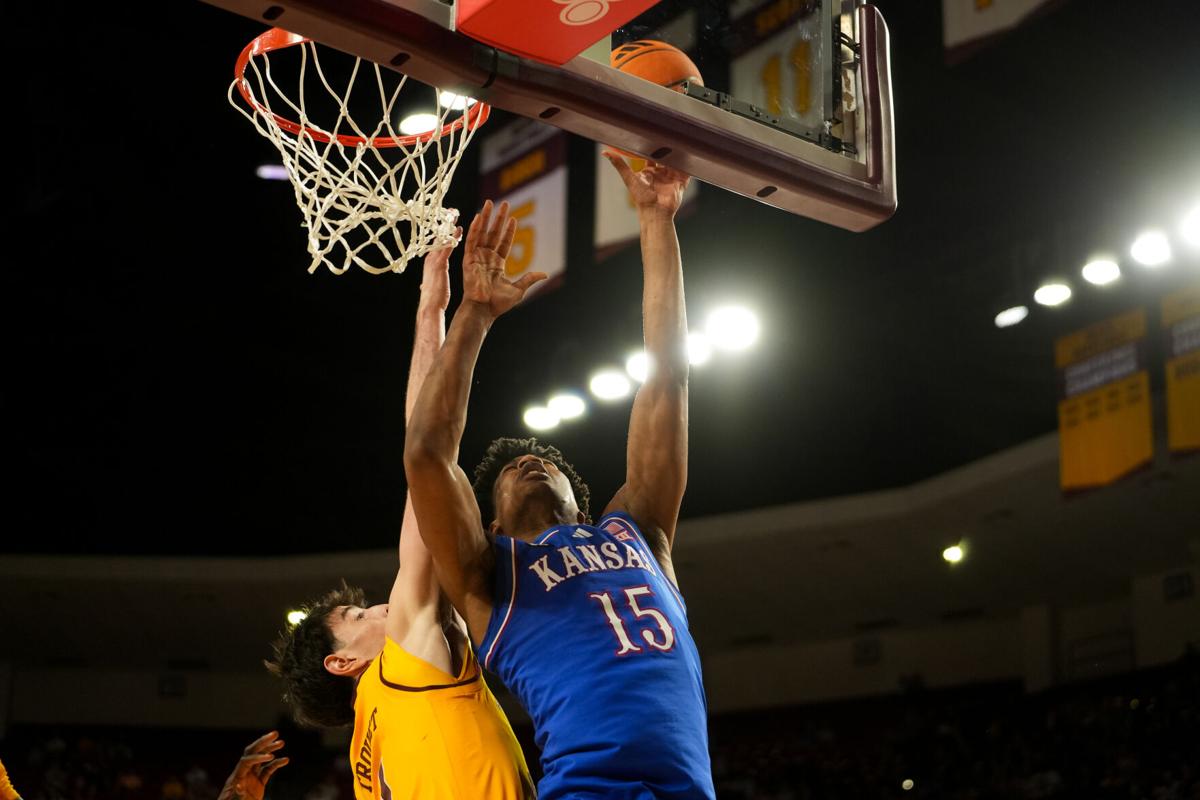
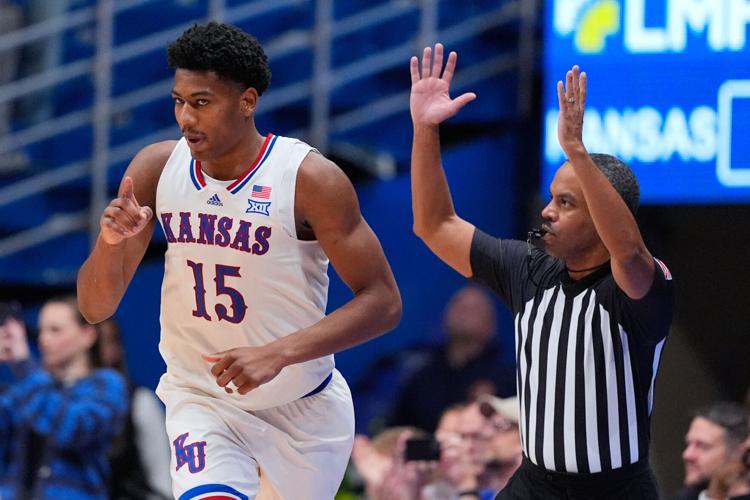
In a December matchup, Tiller recorded 13 points, five rebounds, and five blocks against Missouri, showcasing his defensive instincts and ability to impact the game on both ends of the floor. That performance likely left a strong impression on Missouri’s coaching staff and fanbase alike, offering a glimpse of what he could bring to the team. Now, as a member of the Tigers, he is expected to face his former program during the 2026–27 season, setting the stage for a compelling storyline.
From a broader perspective, Tiller’s addition reflects Missouri’s ongoing efforts to build a competitive and balanced roster through both recruiting and the transfer portal. In modern college basketball, roster turnover has become increasingly common, and programs that effectively navigate the transfer market often gain a significant advantage. By landing a player like Tiller—who combines size, experience, and upside—Missouri is positioning itself to remain competitive in a challenging conference landscape.
Tiller’s skill set also suggests room for further development. While he has already demonstrated solid defensive capabilities and rebounding instincts, improvements in areas such as shooting consistency and offensive versatility could elevate his impact even more. His three-point shooting percentage, for instance, indicates potential but also highlights an area where refinement could make him a more complete offensive threat. If he can expand his range and become a more reliable perimeter shooter, it would open up additional spacing opportunities for Missouri’s offense.
Defensively, his ability to block shots and alter opponents’ attempts around the rim will likely be one of his most valuable contributions. His length and timing make him a natural rim protector, and with increased experience, he could become a defensive anchor for the Tigers. Combined with his rebounding ability, these traits position him as a key piece in Missouri’s efforts to control the paint and limit second-chance opportunities for opponents.
Ultimately, Bryson Tiller’s decision to transfer to Missouri represents a significant addition for the program at a time when it is undergoing notable roster changes. His blend of size, experience, and potential aligns well with the team’s needs, and his familiarity with key personnel could facilitate a smooth transition. As Missouri prepares for the upcoming season, Tiller is expected to play an important role in shaping the team’s identity, particularly in the frontcourt.
With new talent arriving and established players moving on, the Tigers are entering a period of transition that will require both adaptability and cohesion. Tiller’s presence could help bridge that gap, providing stability while also contributing to the team’s long-term development. Whether he emerges as a starter or a key rotational player, his impact will likely be felt on both ends of the court as Missouri looks to build momentum heading into the 2026–27 season.
READ MORE