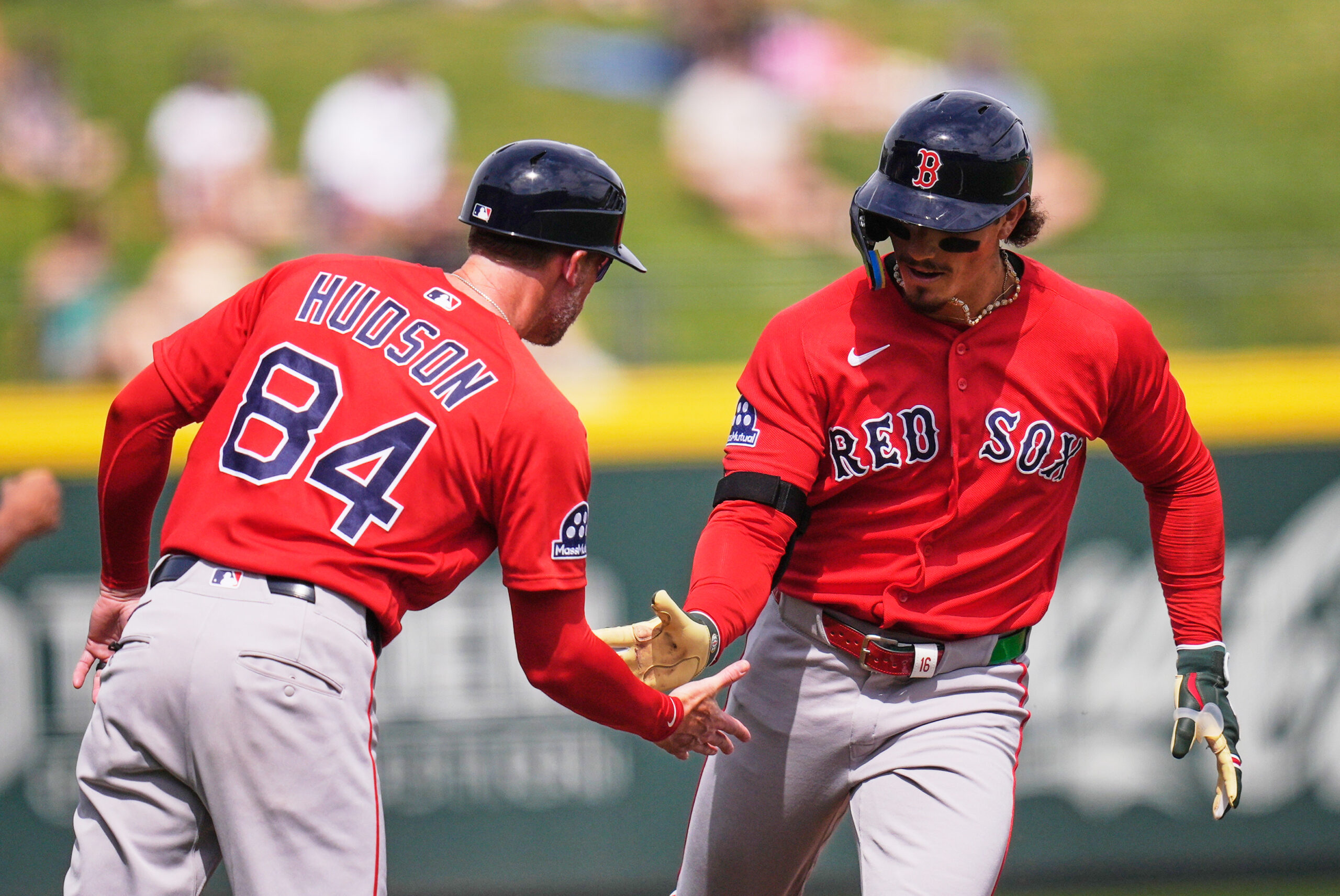
At this stage, nearly every Boston Red Sox supporter is aware of the crowded situation the team faces in its outfield. The roster is currently packed with capable players competing for limited spots, creating a logjam that has been widely discussed throughout the offseason. Trade speculation has swirled around several players in recent months, particularly outfielders Jarren Duran and Wilyer Abreu. However, another intriguing question has started to surface as the new season approaches: where exactly does young infielder-turned-outfielder Kristian Campbell fit into the Red Sox’s plans for the upcoming campaign?
The Red Sox made a significant commitment to Campbell not long ago. Prior to the previous season, Boston signed the promising young player to an eight-year contract extension worth $60 million. That deal demonstrated the organization’s belief in his long-term potential and their desire to make him part of the team’s future core. Despite that vote of confidence, Campbell’s first taste of Major League Baseball was somewhat underwhelming. He only received a limited number of opportunities at the big-league level and struggled to produce consistent results during those appearances.

Because of that slow start, some analysts believe Campbell might benefit from a change of scenery. FanSided writer Christopher Kline recently suggested that the young player could potentially thrive if given a fresh start with another franchise around the league. The idea is not necessarily that Campbell lacks talent, but rather that the current roster structure in Boston might make it difficult for him to develop properly.
Should Boston Consider Moving On from Kristian Campbell?
When Campbell was initially rising through the Red Sox farm system, he was widely regarded as an infield prospect. Scouts and evaluators viewed him primarily as a middle infielder, someone who could potentially handle duties at second base or shortstop while also providing offensive upside. However, as the Red Sox evaluated their roster needs and organizational depth, they began experimenting with Campbell in the outfield.

Recent decisions made by Boston’s coaching staff and front office seem to indicate that they may view Campbell’s future more in the outfield than in the infield. While position changes are common in baseball and often benefit players who possess versatility, this transition places Campbell in a somewhat difficult position. The Red Sox already have multiple established or emerging outfielders competing for playing time, which means Campbell could find himself squeezed out of regular opportunities.
Christopher Kline addressed this issue directly in a recent article where he identified four players who could potentially be traded by the Red Sox before Opening Day. Among those names, Campbell’s inclusion was somewhat unexpected. Unlike some of the other players mentioned, Campbell is still very young and has only begun his major-league journey.
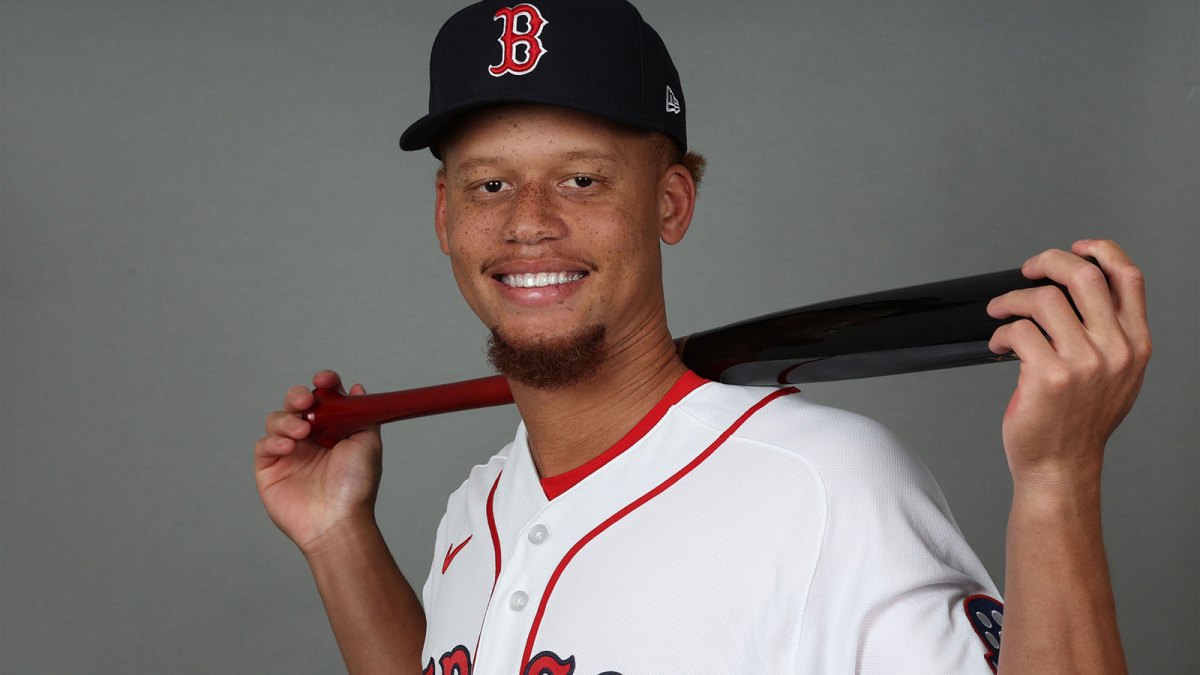
Kline argued that Boston should at least consider exploring the trade market for Campbell due to the team’s crowded roster and the possibility that another organization might value him more highly at the moment. According to Kline, Campbell’s path to consistent playing time in Boston appears obstructed. If the Red Sox believe that his opportunities will remain limited, the team could potentially benefit from trading him while his value remains relatively strong.
The reasoning behind this perspective is rooted in the idea of asset management. Baseball teams frequently evaluate their rosters not only in terms of current performance but also future value. If a player’s role on the team is unclear or blocked by other players, it can sometimes make sense to trade that player for assets that address more immediate needs. Kline suggested that Boston might be able to receive a promising package of prospects in return for Campbell, or potentially include him as part of a larger trade designed to strengthen a different area of the roster.
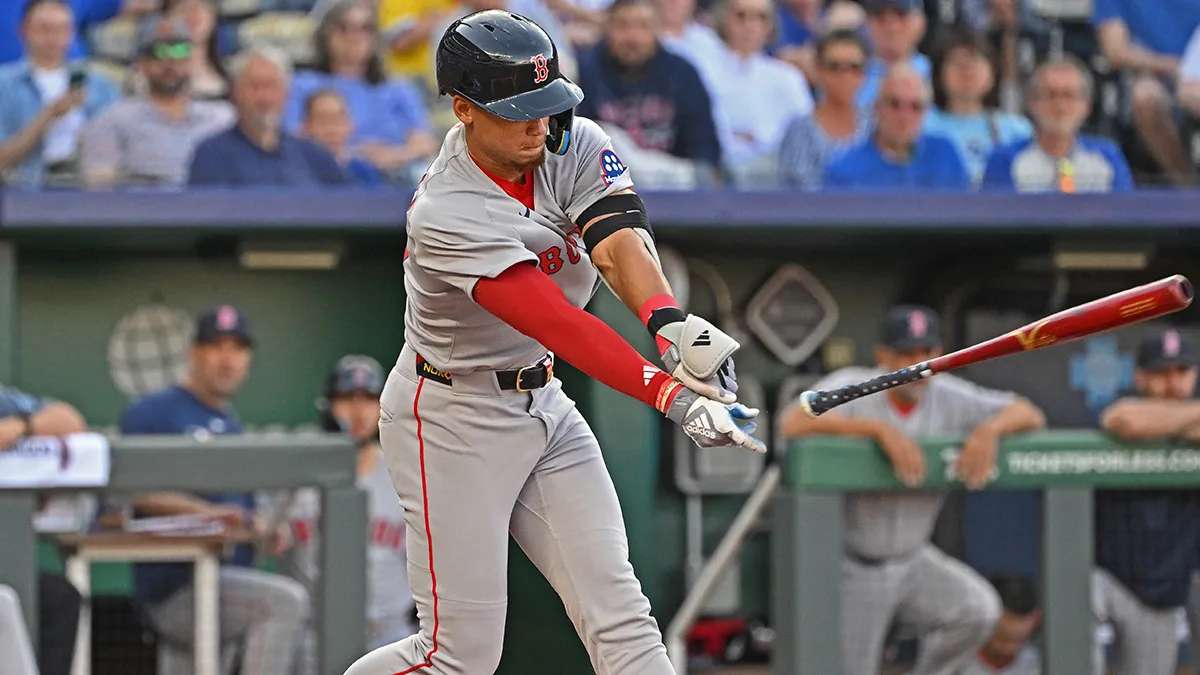
In his analysis, Kline essentially described the current moment as a time for consolidation in Boston. With so many talented players competing for limited roster spots, difficult decisions may need to be made. In that context, Campbell might unfortunately become the odd man out. From Kline’s perspective, the Red Sox would be better off considering a trade sooner rather than later, rather than waiting until Campbell’s value declines due to limited playing time or continued struggles.
Evaluating Campbell’s Early MLB Performance
While Kline’s argument has some logic behind it, many observers believe that moving on from Campbell at this stage would be premature. After all, he has barely begun his major-league career.
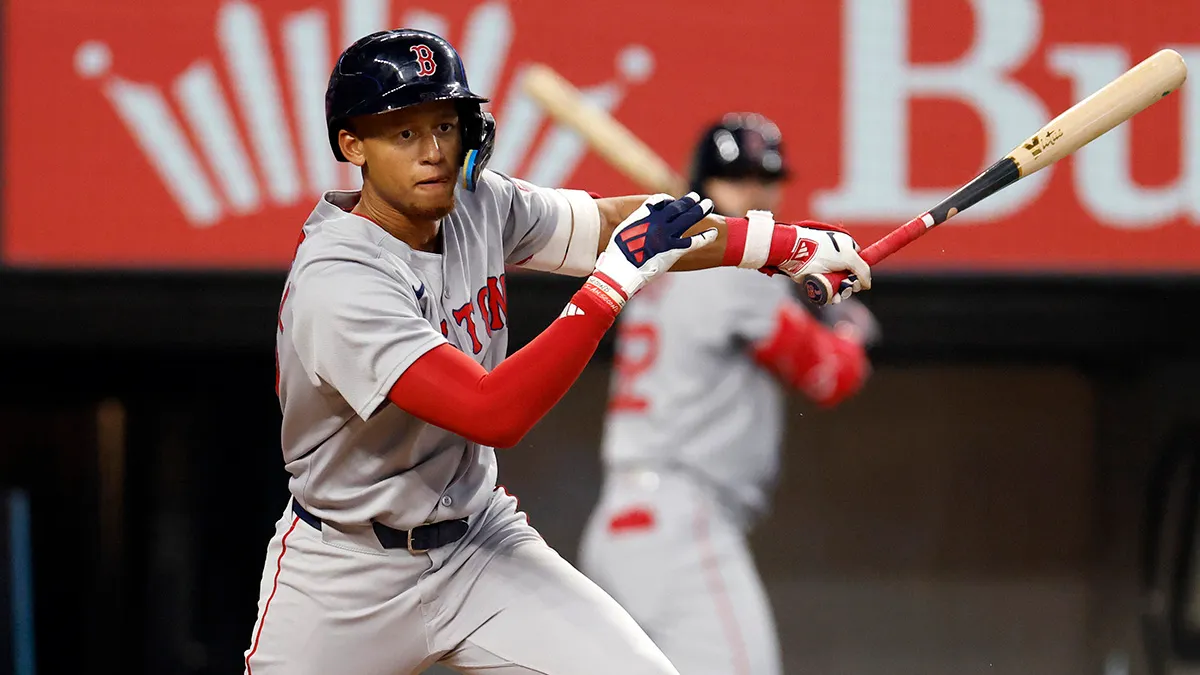
In his limited time with the Red Sox, Campbell appeared in 67 games and recorded 229 at-bats. During that stretch, he posted a batting average of .223 while hitting six home runs. His OPS+ — a metric that compares a player’s offensive production to league average — stood at 86, meaning he performed somewhat below the league average offensively.
Those numbers are not particularly impressive, but they also do not necessarily define Campbell’s long-term potential. Adjusting to Major League pitching is notoriously difficult, especially for young players making their first appearances at the highest level of the sport. Many stars around the league struggled early in their careers before eventually developing into productive players.

Because Campbell has accumulated fewer than 250 major-league at-bats, it would be risky to draw firm conclusions about his future based solely on that small sample size. Player development often requires patience, and young hitters frequently need time to adapt to the speed, strategy, and pressure of the big leagues.
Furthermore, Campbell’s youth remains a major factor in the conversation. At just 23 years old, he is still younger than many prospects who are only beginning their major-league journeys. With proper coaching, consistent playing time, and continued development, he could still grow into a valuable contributor for Boston.
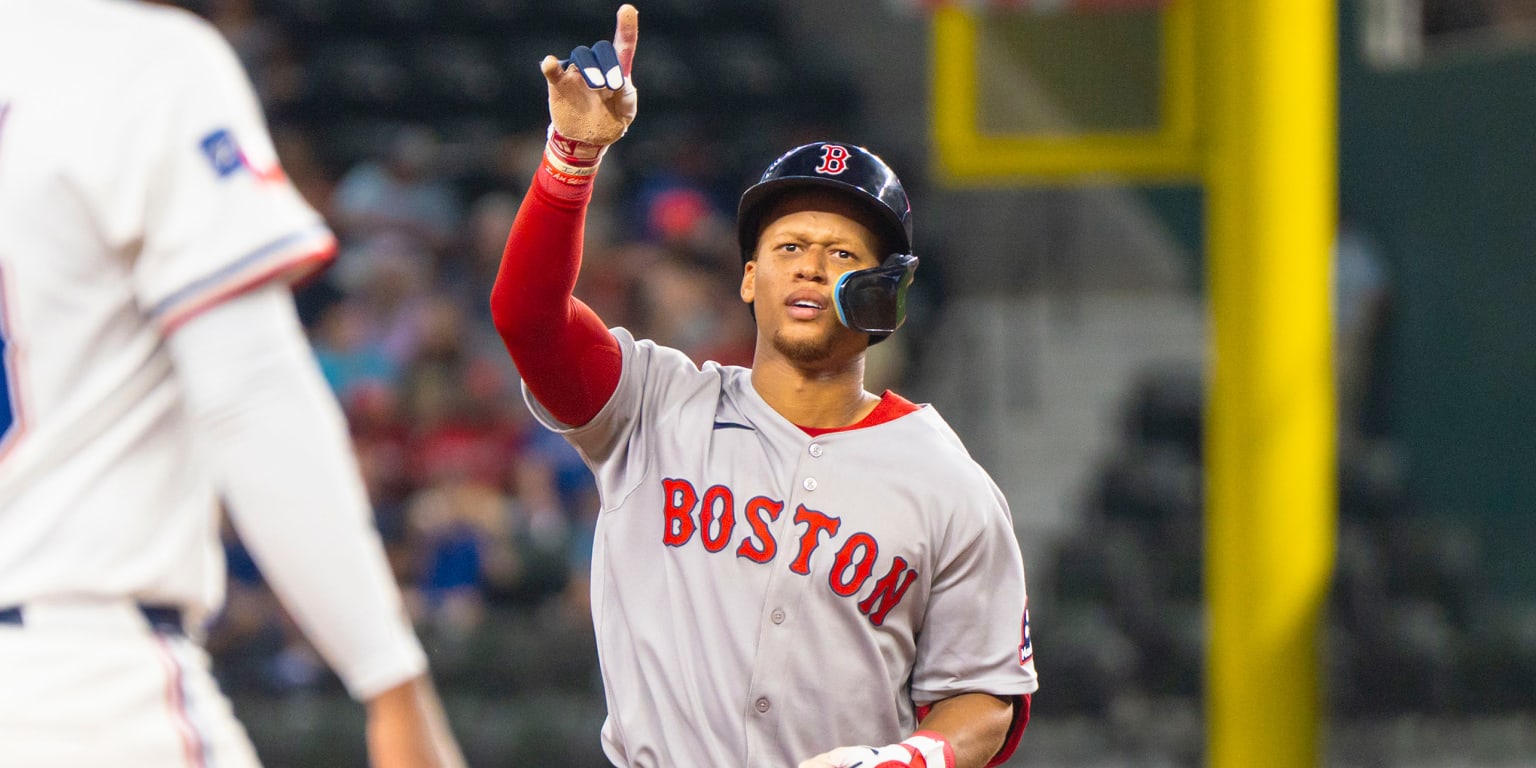
Potential Opportunities Within Boston’s Roster
Although the outfield remains crowded, injuries and roster changes are an inevitable part of a long baseball season. Over the course of 162 games, teams frequently rely on depth players to step into larger roles when starters miss time.
Campbell’s background as an infielder could provide additional pathways for playing time. If the Red Sox experience injuries at first base or second base, he could potentially fill those roles on a temporary basis. His ability to move between multiple positions could make him a useful utility option for the team.

Versatility has become increasingly valuable in modern baseball. Teams often prefer players who can handle several positions rather than specialists limited to a single role. If Campbell continues to develop his defensive skills across multiple positions, he could carve out a meaningful role even within a crowded roster.
Other Players Mentioned as Trade Candidates
Campbell was not the only player Kline identified as a potential trade candidate before Opening Day. In fact, the article listed three additional players who could also be moved depending on how the Red Sox choose to shape their roster.

One of those names was starting pitcher Kutter Crawford. As a member of the pitching staff, Crawford has shown flashes of potential but has also experienced inconsistency at times. Depending on the team’s rotation depth and long-term plans, he could become a trade piece if Boston seeks upgrades in other areas.
Another player mentioned was Masataka Yoshida. Yoshida arrived in Boston with significant expectations after his successful career in Japan. While he has shown strong offensive ability, questions about defensive fit and roster construction could potentially place him in trade discussions.
Triston Casas was also listed as a possible trade candidate. Casas has been viewed as a key part of the Red Sox’s future at first base, but roster dynamics and organizational priorities can sometimes lead to surprising moves. If Boston believes that trading Casas could address another need, the front office might at least consider the possibility.
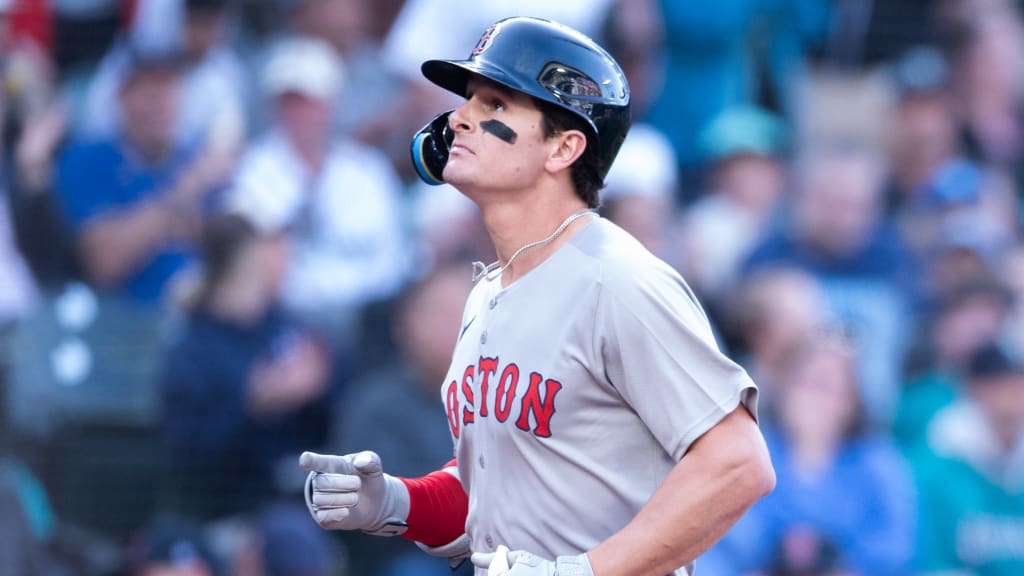
When looking at these names collectively — Crawford, Yoshida, Casas, and Campbell — the common theme is roster fit. Each player possesses talent, yet their roles within the team’s plans for the 2026 season remain somewhat uncertain. That uncertainty naturally leads to speculation about potential trades.
The Red Sox Front Office’s Decision
Despite the speculation from analysts and media outlets, it remains unclear whether the Red Sox front office actually intends to move any of these players. Trade rumors are a common part of baseball’s offseason landscape, and many suggested deals never materialize.

The team’s leadership must balance several competing priorities: improving the roster in the short term, maintaining long-term competitiveness, and ensuring that young players have opportunities to develop. Deciding whether to trade a promising player like Campbell involves careful evaluation of all these factors.
For now, the Red Sox may prefer to keep their options open. Retaining depth can be extremely valuable, particularly during a long season filled with injuries, slumps, and unexpected developments.
Campbell’s Willingness to Adapt
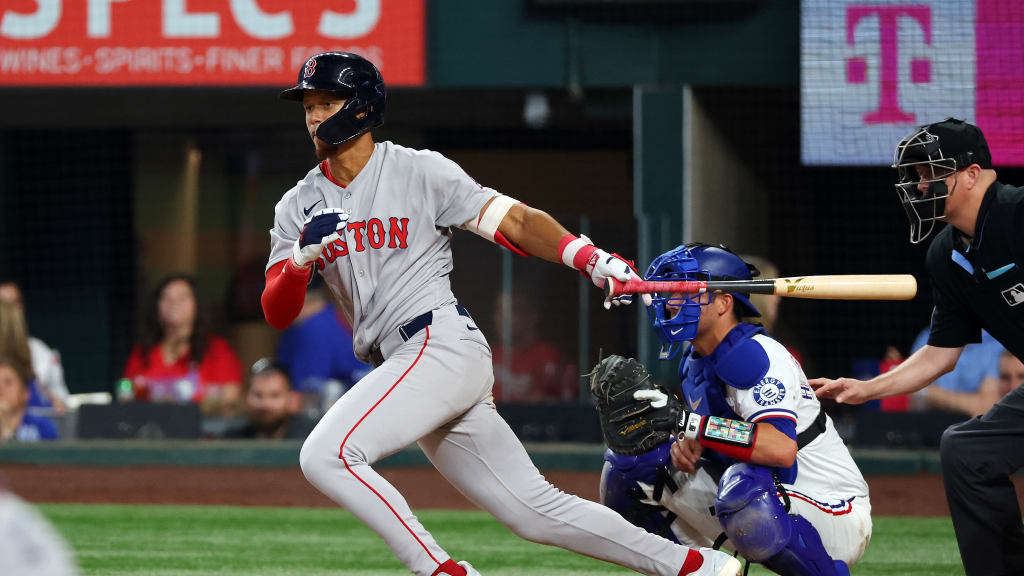
One encouraging aspect of Campbell’s situation is his openness to learning new positions and adapting to whatever role the team asks him to play. Reports indicate that he has been willing to experiment with different defensive assignments in order to increase his value to the team.
That flexibility could ultimately work in his favor. Players who demonstrate a team-first mentality and a willingness to improve often earn additional opportunities over time. By continuing to develop both offensively and defensively, Campbell could strengthen his case for remaining part of Boston’s long-term plans.
As the Red Sox prepare for the upcoming season, the question of how to manage their crowded roster will remain an important storyline. Kristian Campbell’s future with the organization may depend on several factors, including his performance, the health of other players, and the strategic priorities of the front office.
While trade discussions may continue, it is far too early to determine whether Campbell’s time in Boston will ultimately be short-lived or the beginning of a lengthy career with the franchise. What is clear, however, is that the young player still possesses significant potential — and how the Red Sox choose to handle that potential will be a fascinating subplot as the season unfolds.