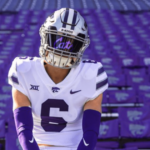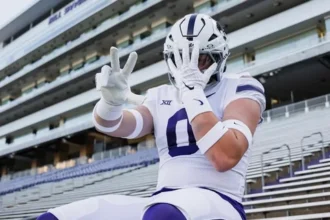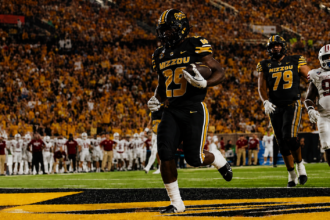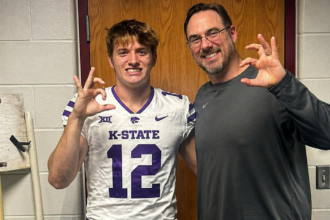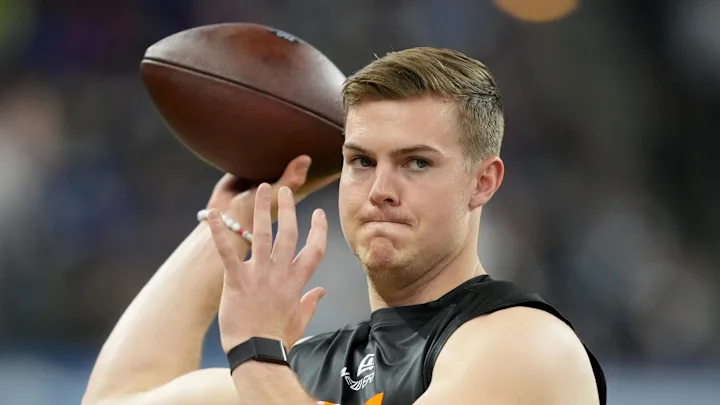
Ell Roberson, Collin Klein, and Will Howard share a rare distinction in the history of Kansas State Wildcats football: they are the only starting quarterbacks to lead the program to a Big 12 championship. Roberson and Klein have already been immortalized, their names displayed prominently on the exterior of Bill Snyder Family Stadium, honoring not just their titles but their broader impact on the program.
Howard’s case is more complicated. Over four seasons in Manhattan, he etched his name into the record books, finishing with 48 career touchdown passes—a program record at the time. That total has since been matched by his successor, Avery Johnson, who seems poised to surpass it in the near future. On paper, Howard’s accomplishments alone would justify serious consideration for similar recognition alongside Roberson and Klein.

But football legacies are rarely decided by statistics alone, and Howard’s time at Kansas State resists a simple narrative. His career unfolded in fits and starts, marked as much by inconsistency as by flashes of excellence. From the beginning, circumstances worked against him. As a true freshman thrust into action during the chaos of the COVID-19 season, he was placed in a role few quarterbacks are prepared to handle. Struggles were inevitable, and while that context explains some of his early difficulties, it also set the tone for a career that would never quite settle into stability.
Everything changed in 2022. When Adrian Martinez went down with an injury, Howard stepped in and delivered the kind of performance that had long been anticipated but rarely sustained. He found rhythm, confidence, and command, guiding Kansas State to its first Big 12 championship in a decade. For a stretch, he looked every bit like the quarterback the program had hoped he would become.
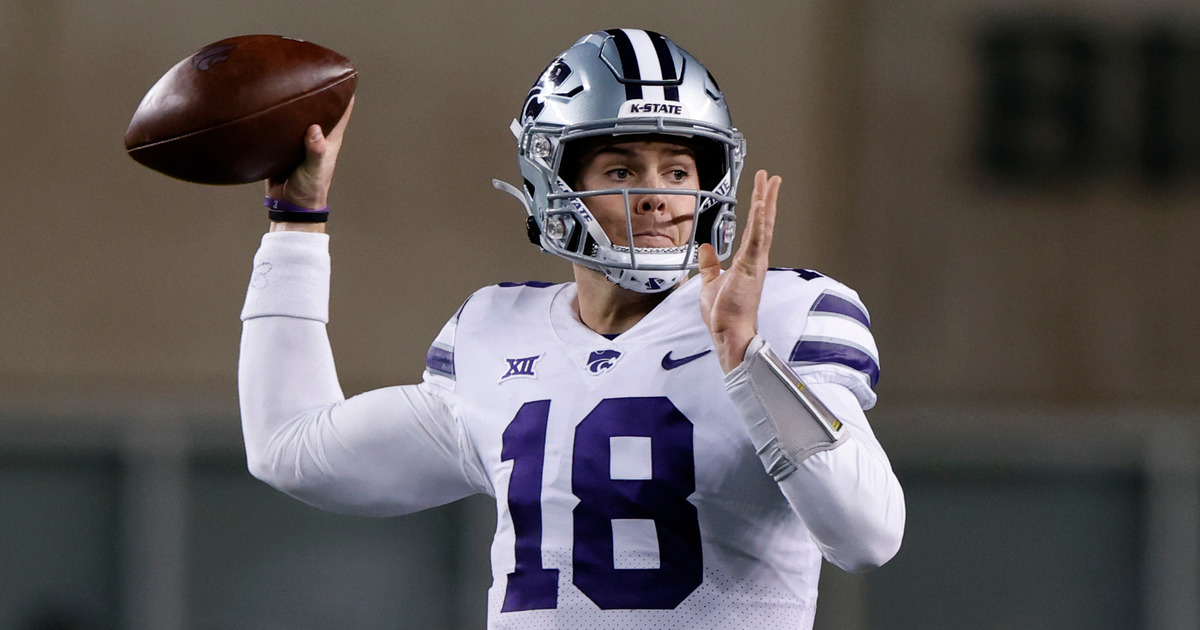
That late-career surge raised expectations heading into the following season, but the momentum didn’t fully carry over. Kansas State finished with eight wins—a respectable total, but below what many believed the roster was capable of achieving. Several of the team’s losses were tied, fairly or unfairly, to Howard’s performances. In key moments, mistakes crept in, and the offense stalled when it needed to deliver. It was a season defined by what could have been as much as what actually happened.
At the same time, the presence of Avery Johnson added another layer of complexity. Highly regarded and brimming with potential, Johnson represented a type of quarterback talent that Kansas State doesn’t often secure. His emergence created a natural tension: a proven but inconsistent veteran versus an exciting, untested future. After four years—already the length of a traditional college career—Howard’s departure began to feel inevitable. The timing aligned for both player and program to move on.
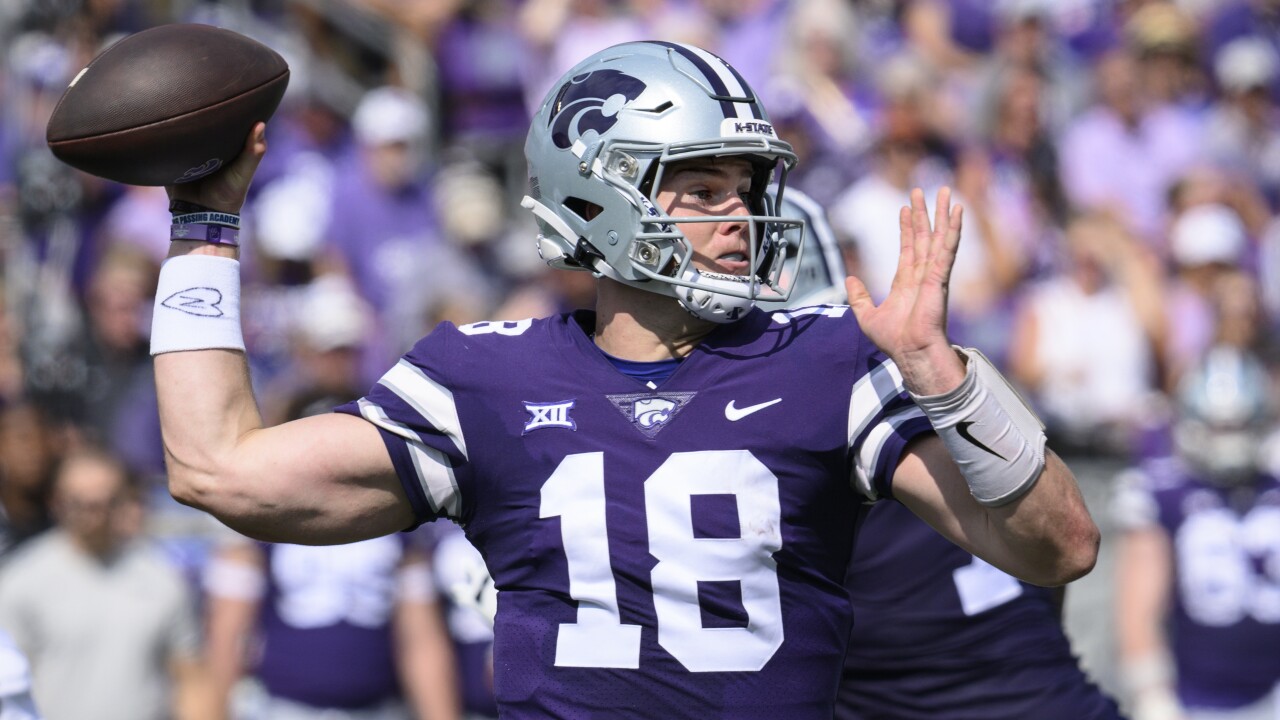
Howard ultimately transferred to Ohio State Buckeyes football, a roster stacked with talent and positioned for a championship run. The situation seemed ideal: a team that didn’t need a savior, just a steady hand at quarterback. Yet even there, familiar patterns surfaced. There were costly moments, like a late-game scramble against Oregon that contributed to a loss, or early struggles with turnovers in a matchup against Penn State. A surprising home defeat to Michigan added to the inconsistency.
And yet, just as he had done at Kansas State in 2022, Howard found another gear when it mattered most. Down the stretch, he elevated his play, stringing together strong performances and ultimately helping lead Ohio State to a national championship. It was the kind of redemption arc that could have defined his entire college career.

Still, throughout that season, Howard frequently referenced his time at Kansas State in ways that raised eyebrows. Whether intentional or not, some of his remarks came across as subtle criticisms of the program that had stood by him through his development. Comments like “I don’t feel like I have to be a hero here” struck an odd tone, particularly because Kansas State had never really asked him to carry that burden alone. Much of the spotlight during his tenure fell on players like Deuce Vaughn and Felix Anudike-Uzomah, both widely regarded as cornerstone figures.
In many games, Kansas State didn’t need Howard to be spectacular—just reliable. But reliability was sometimes elusive. A three-turnover outing against Oklahoma State in 2023, for example, underscored the gap between expectation and execution.
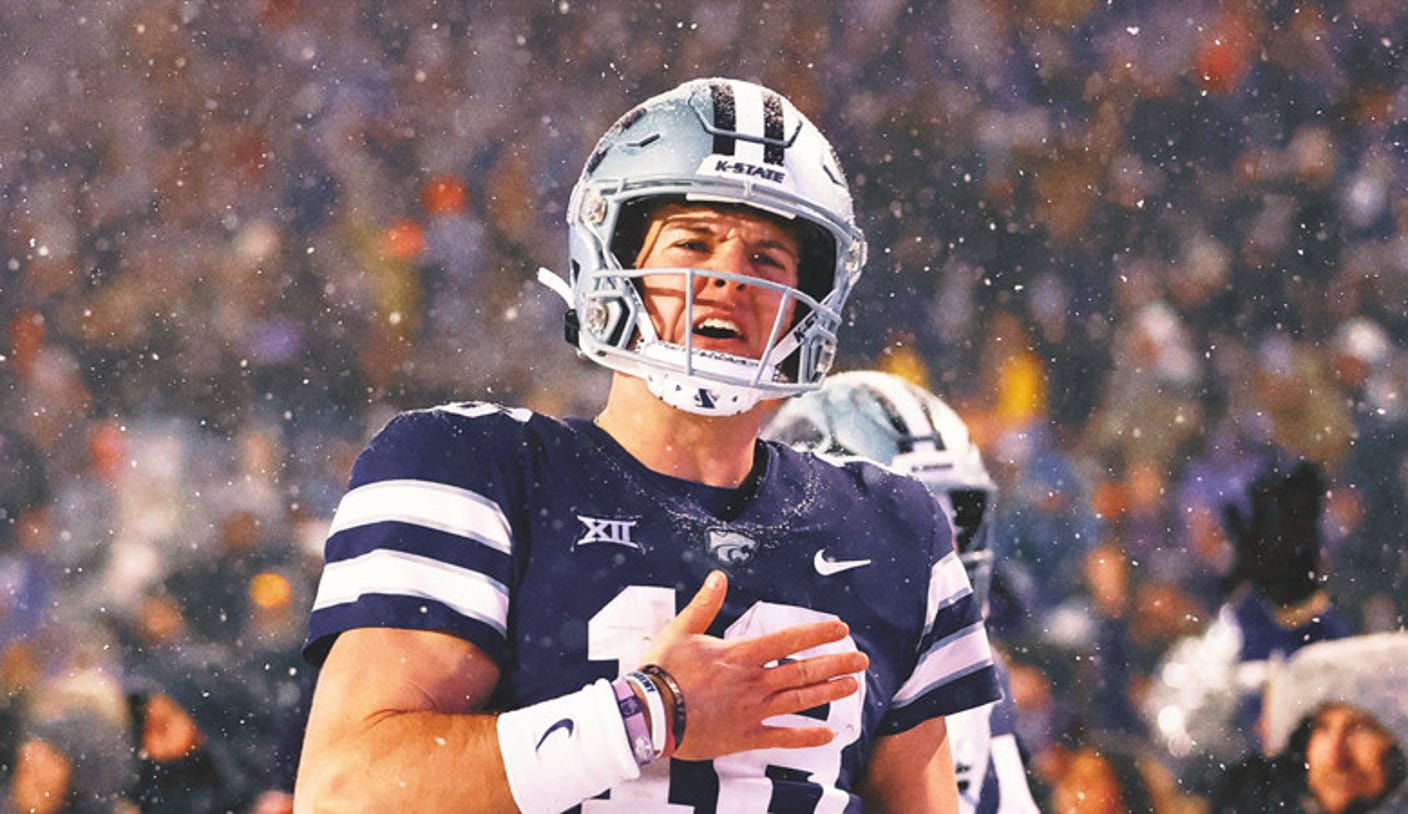
More recently, Howard’s comments to The Athletic have intensified scrutiny. His suggestion that “politics” influenced playing time decisions during his final season—and that financial factors favored Johnson—introduced a narrative that many find difficult to reconcile with what unfolded on the field. The reality is that performances matter, and in games where Howard posted low quarterback ratings, coaches naturally looked for alternatives. Johnson’s emergence, including a standout relief appearance against Texas Tech, wasn’t arbitrary—it was earned.
That moment in Lubbock, when Johnson sparked a comeback victory, felt to many like a symbolic passing of the torch. Still, the coaching staff chose a more gradual transition, balancing loyalty to a veteran who had delivered a conference title with the development of a promising freshman. The result was a shared quarterback situation for a stretch of games, an imperfect but understandable compromise.
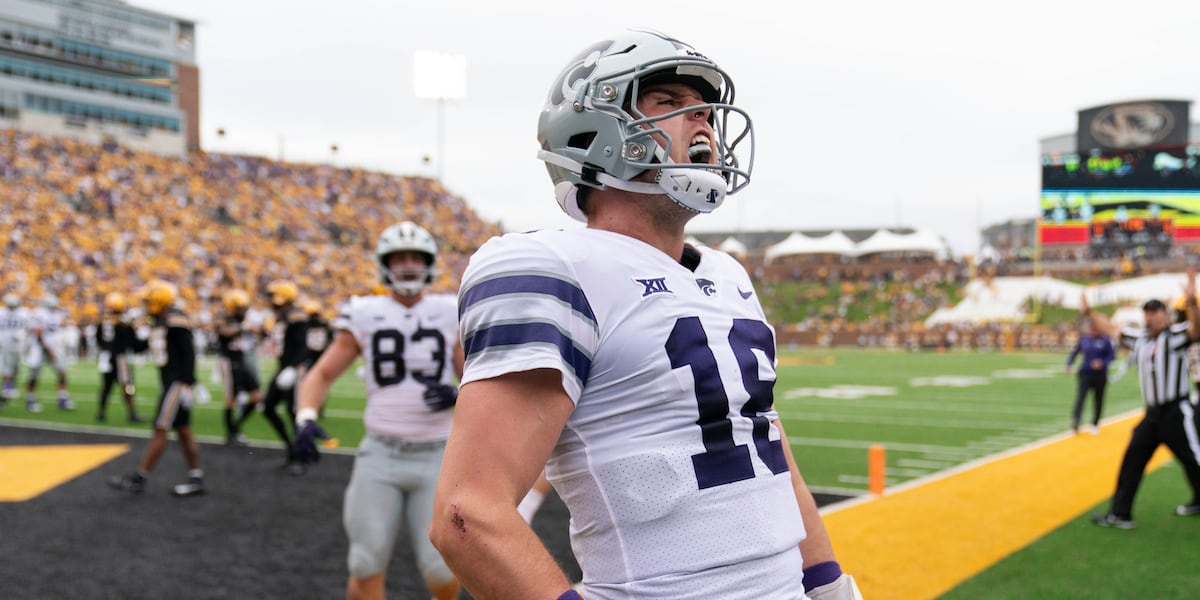
Howard’s assertion that Kansas State “took advantage” of him has been the most controversial of all. It’s a statement that clashes with the perception of a program that remained committed to him even during periods when his performance might have justified a different approach. For many observers, it raises questions about perspective and accountability.
In contrast, Avery Johnson’s path has unfolded with a different tone. While his on-field results have not always matched the lofty expectations placed upon him, his commitment to the program has stood out. In an era where player movement is constant and often driven by opportunity elsewhere, Johnson has chosen to remain in Manhattan, embracing the long-term journey.
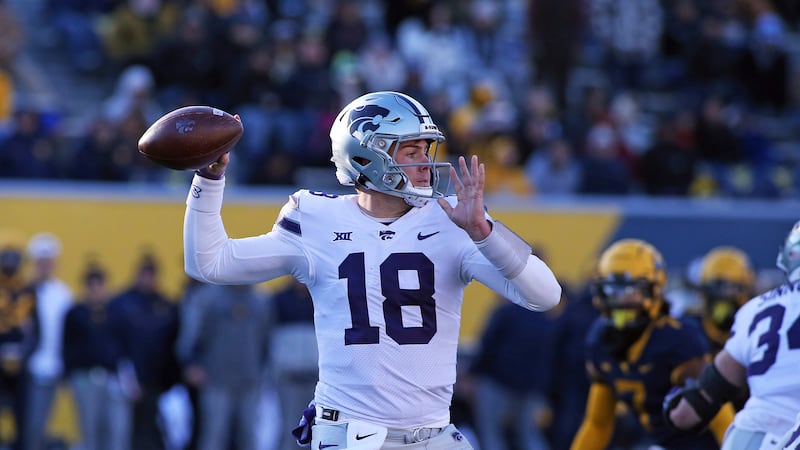
He will spend his entire collegiate career at Kansas State—a rarity, especially for a player with his level of talent. Along the way, he has had moments where leaving would have been understandable, even expected. Yet he stayed, continuing to invest in the program and its community.
That decision shapes how his legacy is already being viewed. Success in college football is measured not only in wins and statistics, though those will likely come for Johnson over time. It is also defined by the connection between player and place—the sense of loyalty, shared experience, and mutual belief.

As Howard’s relationship with Kansas State becomes more strained through his comments, Johnson’s story moves in the opposite direction. He is building something steadier, grounded not just in performance but in presence.
In many ways, the contrast between the two quarterbacks highlights the broader question of what it means to leave a lasting mark on a program. Talent and achievement open the door, but perception, attitude, and connection determine how long that door stays open.
For Kansas State fans, that distinction matters. And as the program continues to evolve, it is Johnson—not Howard—who increasingly embodies the role of the enduring figure in its story.
READ MORE