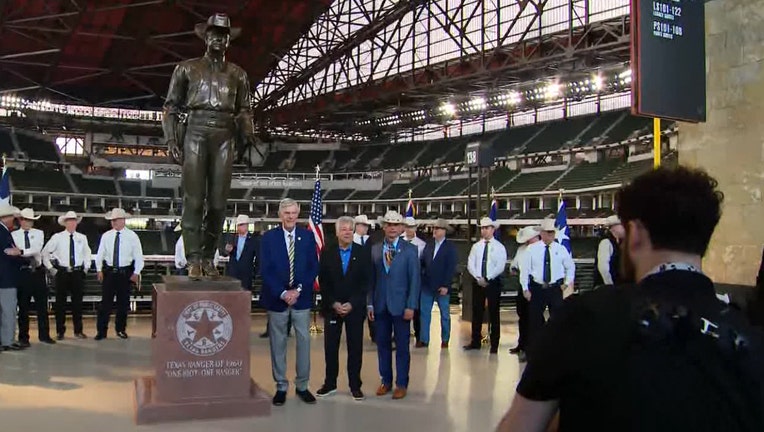
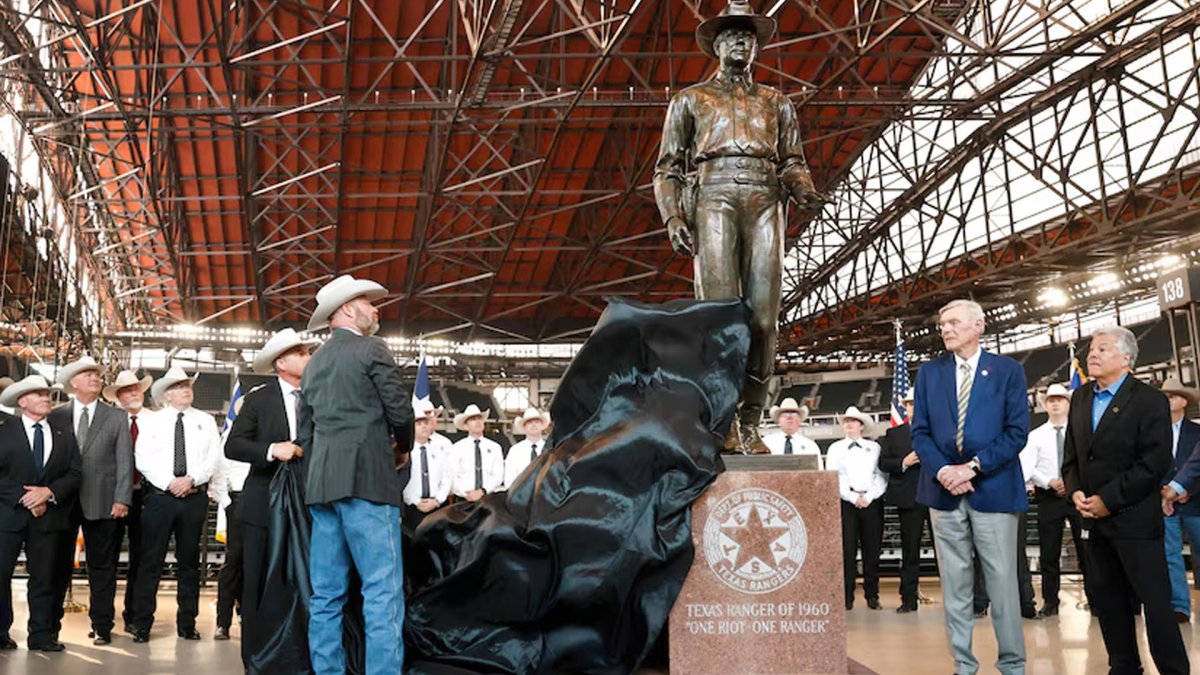
Earlier this month, the Texas Rangers baseball organization introduced a new statue at Globe Life Field, their home stadium in Arlington. The monument, titled “One Riot, One Ranger,” was created to honor the historic Texas Rangers law enforcement agency, which serves as the investigative arm and the most senior branch of the Texas Department of Public Safety. While the unveiling was meant to celebrate the long history and legacy of the Texas Rangers, the decision quickly sparked debate and criticism from various observers, historians, and public officials.
Some critics objected to the monument as a tribute to the Texas Rangers as an institution, pointing to the organization’s controversial past and documented incidents of misconduct. These concerns were widely discussed in historian Doug J. Swanson’s 2020 book Cult of Glory: The Bold and Brutal History of the Texas Rangers, which explores both the celebrated and darker aspects of the agency’s history. Swanson’s research highlights allegations of brutality, racial violence, and abuses of authority throughout different periods of the Rangers’ existence. For many critics, this historical context makes any broad celebration of the agency problematic, particularly in a public venue visited by diverse audiences.
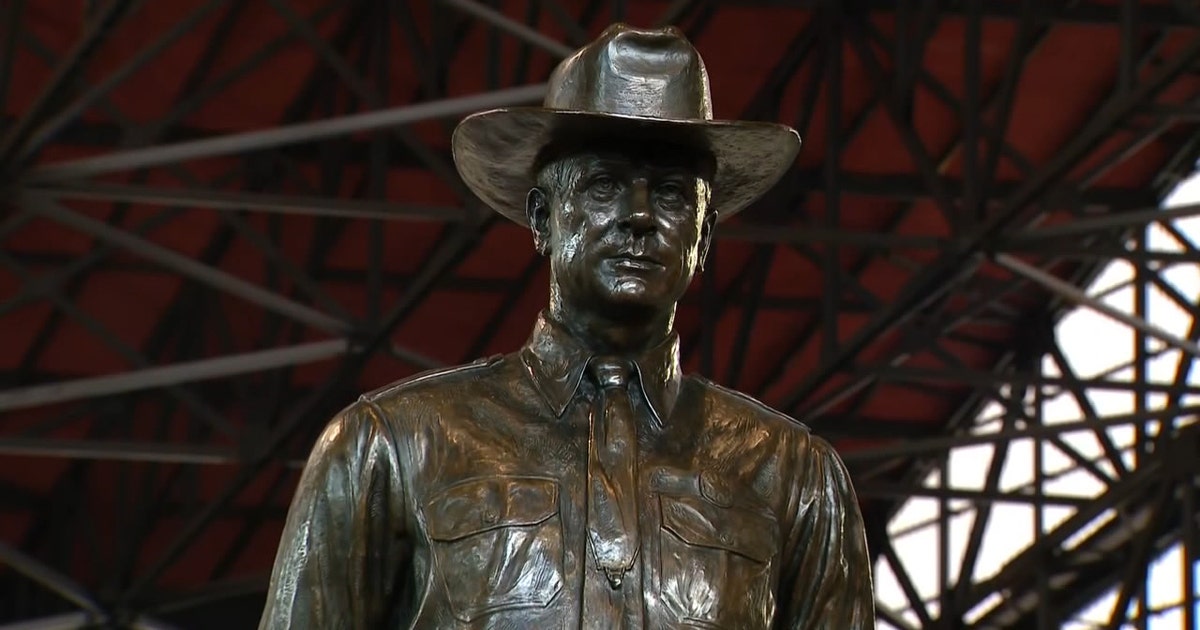
However, some individuals believe the controversy goes beyond the broader history of the Texas Rangers and centers more specifically on the figure represented in the statue. Among the most vocal critics is Fort Worth–area Congressman Marc Veasey, who argues that the person depicted in the monument raises even deeper concerns. According to Veasey, the statue portrays Captain E. J. “Jay” Banks, a Texas Ranger officer who played a role in one of the most contentious civil rights confrontations in Texas history.
In a strongly worded statement released on Thursday, Veasey urged the Rangers organization to remove the statue from Globe Life Field. His criticism focuses on Banks’ involvement in the events surrounding the attempted integration of Mansfield High School in 1956. That year, Mansfield, Texas, became the site of one of the first major school integration crises following the U.S. Supreme Court’s decision in Brown v. Board of Education, which declared segregated public schools unconstitutional.
When Black students attempted to enroll at Mansfield High School, a large mob gathered to oppose their attendance. Rather than protecting the students’ right to integrate the school, critics say Banks and other authorities effectively allowed segregationist resistance to succeed. Veasey argues that Banks’ actions during that moment placed him on the wrong side of history, making his commemoration in a public monument particularly troubling.
The statue itself has drawn additional criticism because of the imagery associated with the historical event. According to Veasey and others who have reviewed the monument, the scene depicted includes Banks leaning against a tree while a hanging effigy in blackface appears above the entrance to Mansfield High School. For critics, this imagery evokes the symbolism of racial intimidation and violence that characterized much of the resistance to civil rights during the mid-twentieth century.
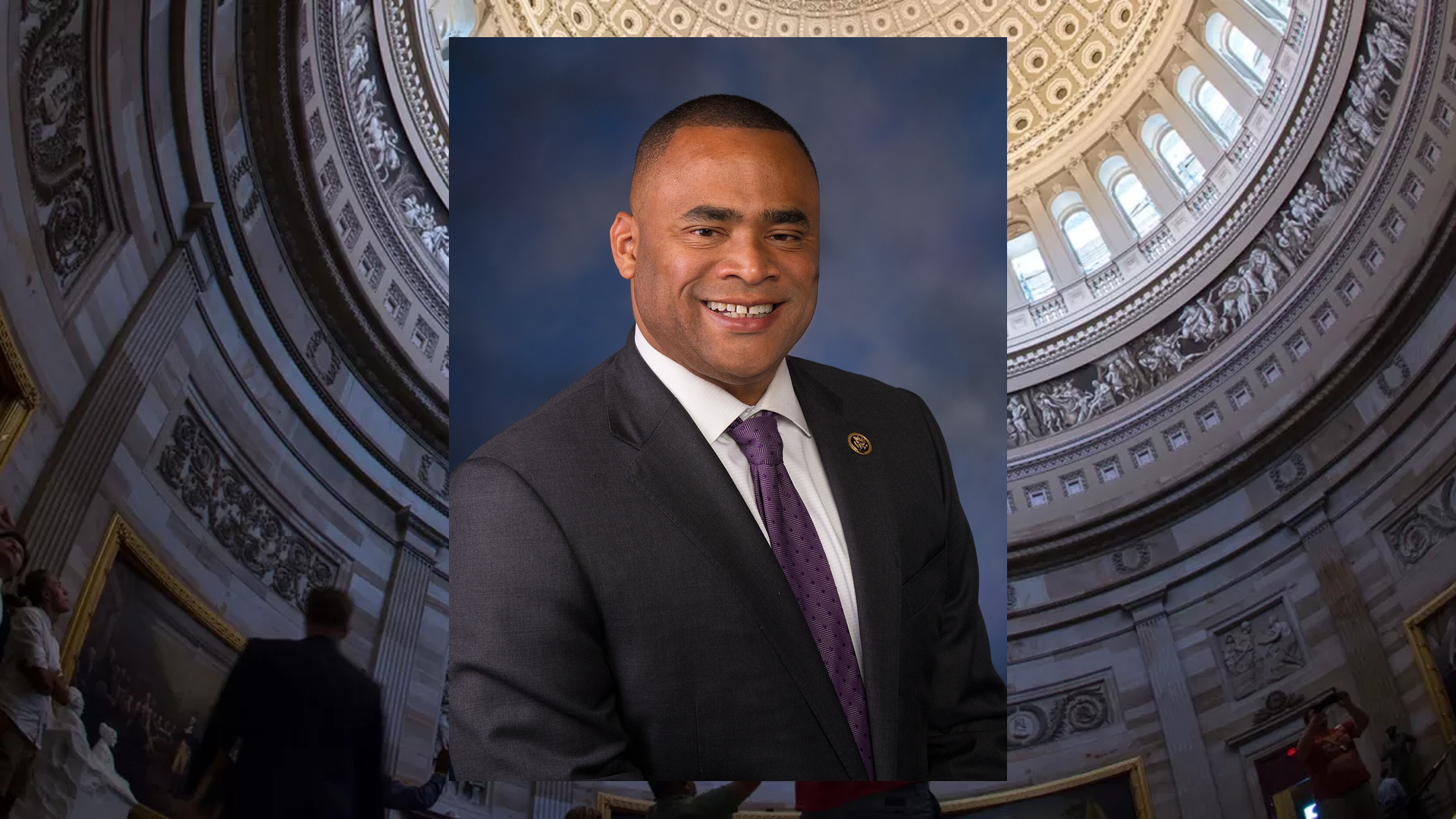
Veasey expressed concern that unveiling such a monument at the beginning of a new baseball season sends an inappropriate message to fans and visitors attending games at the stadium. Instead of focusing on the excitement and unity often associated with sports, he argues that the statue introduces imagery connected to a painful chapter in American history.
“As fans and families prepared to celebrate a new baseball season, they were instead confronted with a monument that echoes the language and symbolism of racial terror,” Veasey wrote in his statement.
He also pointed out that professional baseball itself has a powerful connection to the history of civil rights and racial integration. Veasey referenced pioneering players such as Jackie Robinson and Larry Doby, who broke Major League Baseball’s color barrier in the late 1940s. Their courage in facing hostility and discrimination helped transform the sport and paved the way for future generations of players of all backgrounds.
Robinson, who integrated the Brooklyn Dodgers in 1947, endured relentless abuse from opposing teams, hostile crowds, and even some of his own teammates. Doby, who became the first Black player in the American League with the Cleveland Indians the same year, faced similar challenges. Despite these hardships, both athletes persevered and played key roles in reshaping the culture of professional baseball.
Veasey emphasized that the achievements of Robinson, Doby, and other pioneers helped make baseball a more inclusive sport that belongs to fans and players from all communities. Because of that history, he believes the presence of a monument honoring someone associated with opposing civil rights efforts contradicts the values the sport now seeks to represent.

In his view, placing such a statue at a Major League ballpark undermines the legacy of those who fought for equality in baseball and society more broadly. Veasey argues that monuments and public symbols play an important role in shaping how history is remembered and interpreted, and that honoring figures connected to resistance against integration sends a troubling message about whose stories are celebrated.
According to the congressman, the decision to display the statue in such a prominent location risks making some fans feel unwelcome or uncomfortable. He believes that a sports venue—especially one that hosts families and people from many backgrounds—should be a place that reflects inclusion rather than division.
“Honoring a figure tied to resisting school integration—and doing so with imagery that evokes racist violence—sends exactly the wrong message about who belongs in that space,” Veasey said.
The statue depicting Captain Banks has its own history that predates its recent installation at Globe Life Field. It was originally created in 1961, during a period when public monuments to law enforcement and frontier figures were common across Texas. Two years later, in 1963, the statue was installed at Dallas’ Love Field Airport, where it remained for decades.

For many years the monument attracted relatively little public attention. However, that changed in 2020 with the publication of Swanson’s book on the Texas Rangers. The book’s examination of the agency’s history sparked renewed discussion about the role of the Rangers in various historical conflicts, including their involvement in episodes related to race and civil rights.
Following the book’s release, the statue was removed from Love Field Airport amid growing scrutiny of historical monuments across the United States. This period also coincided with broader national debates about statues commemorating controversial historical figures, particularly those connected to racial injustice or oppression.

The relocation of the statue to Globe Life Field was intended by some supporters to preserve an artifact connected to Texas history while placing it in a new context. However, critics argue that moving the monument rather than re-evaluating its symbolism simply relocated the controversy rather than resolving it.
Veasey, who has represented Texas’ 33rd congressional district since 2013, believes the statue’s presence at the stadium risks glorifying actions that undermined the civil rights movement. In his statement, he drew a distinction between remembering history and celebrating it.
“Let me be clear: celebrating the legacy of someone connected to blocking integration is not preserving history,” Veasey wrote. “It is glorifying injustice.”
His comments reflect a broader national conversation about how societies should deal with monuments tied to controversial historical events or figures. Some argue that such statues should remain in place as reminders of the past, while others believe they should be removed or relocated to museums where they can be interpreted with fuller historical context.
Supporters of keeping historical monuments often emphasize the importance of preserving artifacts that represent different chapters of a region’s history, even those that are uncomfortable or controversial. They argue that removing statues may risk erasing opportunities to engage with difficult aspects of the past.
Critics, however, counter that monuments in public spaces are not neutral historical records but rather symbols of honor and celebration. From this perspective, placing a statue in a prominent location signals approval or admiration for the individual being commemorated.
The debate surrounding the “One Riot, One Ranger” statue illustrates how historical memory, public symbolism, and modern values can intersect in complex ways. What one group sees as a tribute to tradition and law enforcement history, another may interpret as a painful reminder of injustice and exclusion.
For now, the controversy continues to generate discussion among fans, historians, community leaders, and elected officials. Whether the statue remains at Globe Life Field or is eventually removed may depend on ongoing public dialogue and decisions by the organizations responsible for the stadium and the monument.
What is clear is that the conversation surrounding the statue has reopened broader questions about how history should be commemorated and whose stories should be elevated in public spaces. As communities across the country continue to grapple with these issues, debates like this one highlight the powerful role that monuments and symbols play in shaping collective memory.