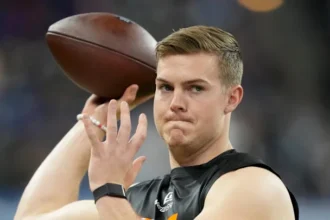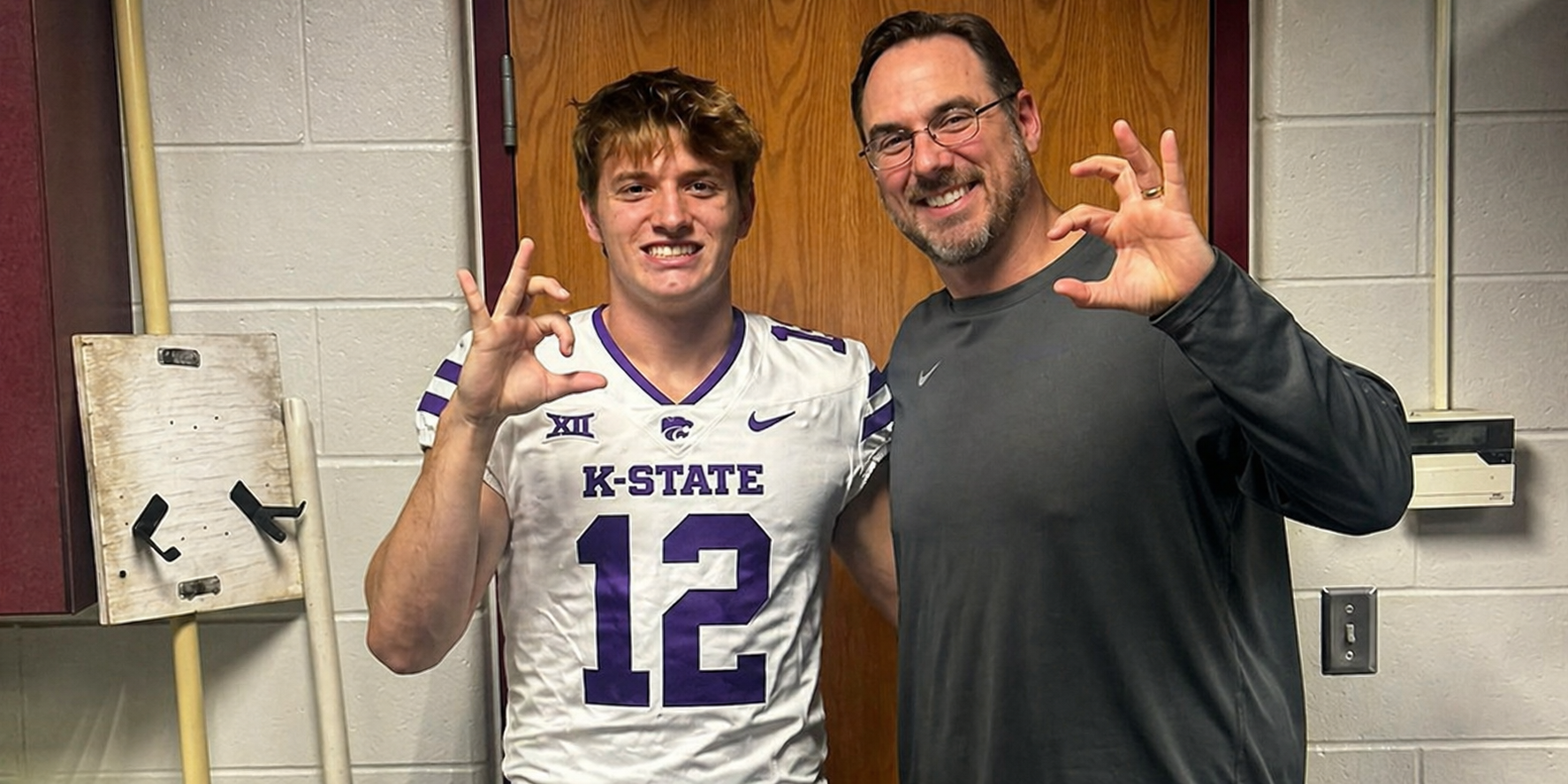
The recruiting journey for a young quarterback is often defined by moments—visits, conversations, and experiences that shape how they see their future. For 2028 quarterback Titus Huard out of Littleton, Colorado, one such defining moment came during his recent unofficial visit to Kansas State Wildcats. The trip to Manhattan wasn’t just another stop on a growing list of college visits; it was an experience that left a lasting impression on the young signal-caller and gave him a clearer vision of what his future in college football could look like.
At this early stage in his recruitment, Huard is still developing both physically and mentally as a quarterback. Yet, even now, programs across the country are beginning to take notice of his potential. With a strong arm, natural pocket presence, and a growing understanding of the game, he represents the kind of long-term prospect that major programs like Kansas State are eager to build relationships with early. That’s exactly what the Wildcats’ coaching staff set out to do during his visit—and by all accounts, they succeeded.
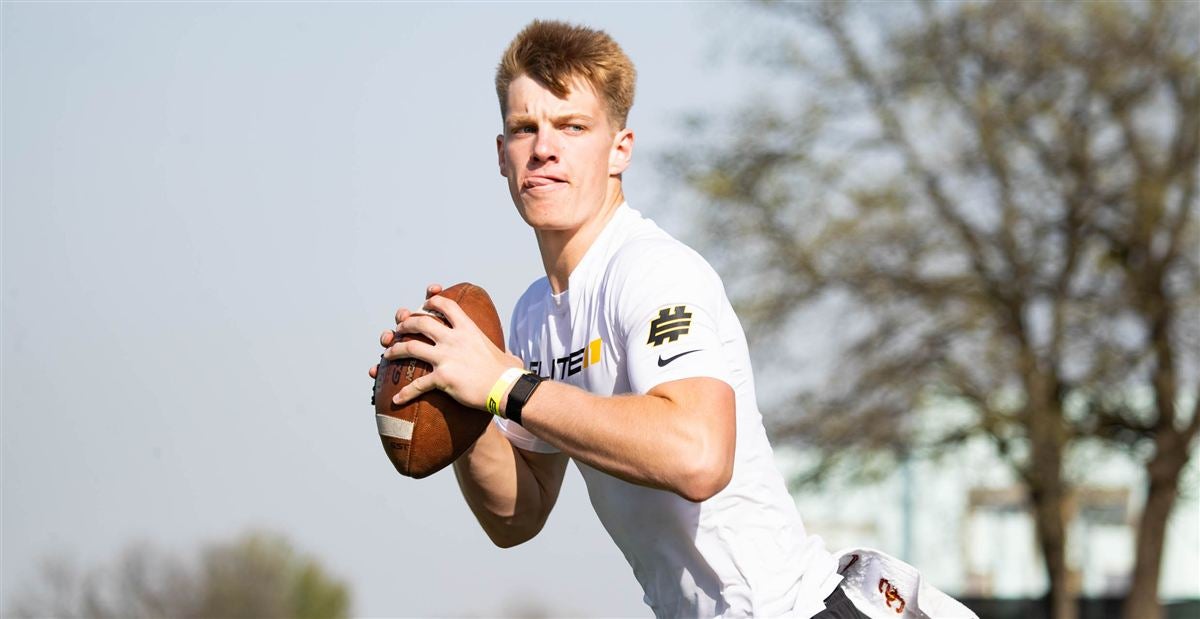
From the moment Huard arrived in Manhattan, the atmosphere stood out. Unlike the overwhelming chaos that can sometimes accompany visits to larger programs, Kansas State offered something different: a sense of clarity and purpose. The campus itself carries a balance of tradition and modern development, and for a young athlete evaluating where he might spend some of the most important years of his life, that balance matters. Huard noted how welcoming the environment felt, not just from the coaching staff but from everyone he encountered.
One of the first aspects that caught his attention was the culture within the program. Kansas State has long been known for its disciplined, team-first mentality, and that identity was evident throughout his visit. Coaches emphasized development—not just as a player, but as a person. For a quarterback, a position that demands leadership and accountability, that message resonates deeply. Huard came away with the impression that the Wildcats are building more than just athletes; they are shaping leaders.

A major highlight of the visit was the opportunity to spend time with the coaching staff, particularly those directly involved in quarterback development. For any young quarterback, these interactions are critical. It’s not just about hearing what coaches say—it’s about how they say it, how they teach, and whether their philosophy aligns with the player’s own goals. Huard paid close attention to the details: how plays were explained, how feedback was delivered, and how the staff communicated expectations.
Kansas State’s offensive philosophy also made an impression. The Wildcats have built a reputation for running a balanced, efficient offense that adapts to the strengths of its personnel. For a developing quarterback like Huard, that flexibility is appealing. It suggests that the program is willing to tailor its system to maximize a player’s abilities rather than forcing them into a rigid scheme. During film discussions and on-field walkthroughs, Huard saw firsthand how the offense operates and how quarterbacks are expected to make decisions within it.
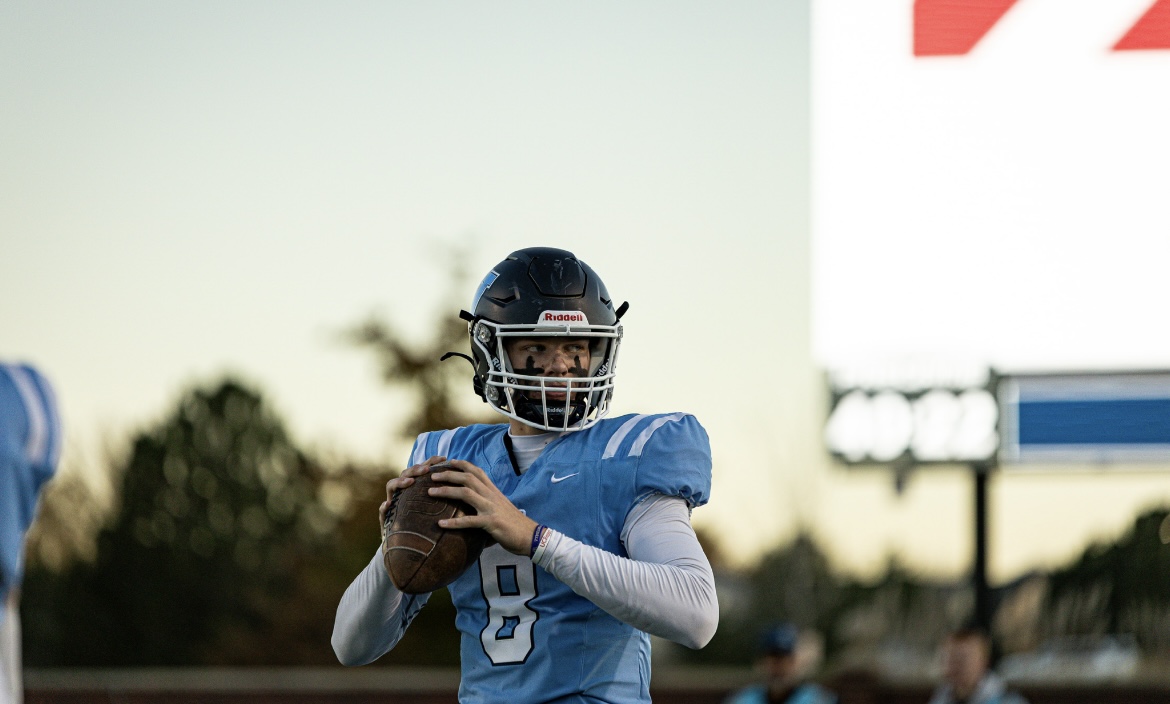
Another standout element of the visit was the facilities. While facilities alone don’t determine a program’s success, they play a role in daily development. Kansas State’s commitment to providing its athletes with top-tier resources was evident. From the training rooms to the locker areas and meeting spaces, everything is designed with performance and growth in mind. For Huard, seeing where he would potentially train, study, and prepare added a tangible dimension to the recruiting process.
Equally important was the chance to interact with current players. These conversations often provide the most honest insight into a program. Players shared their experiences, discussing both the challenges and rewards of being part of the Wildcats. For Huard, hearing directly from those living the experience helped validate what he was hearing from the coaching staff. It reinforced the idea that Kansas State is a place where players are supported and pushed to reach their full potential.

The game-day atmosphere—or even just a glimpse of it—also left an impression. While Huard’s visit may not have coincided with a full game, the energy surrounding the program was clear. Kansas State fans are known for their passion and loyalty, and that support creates an environment that players feed off. For a quarterback, leading an offense in front of a dedicated crowd is part of the dream, and Huard could easily envision himself in that role.
Location is another factor that often influences recruiting decisions, and Manhattan offers a unique appeal. It’s a college town in the truest sense, where the university and community are closely intertwined. For some prospects, the quieter setting allows for greater focus on football and academics without the distractions of a larger city. Huard seemed to appreciate this aspect, noting how the environment felt conducive to growth and development.

Beyond football, academics and life after the game are always part of the conversation. Kansas State emphasized its commitment to preparing student-athletes for success beyond their playing careers. For a young player like Huard, who still has years before reaching college, understanding that support system is crucial. It signals that the program values long-term success, not just what happens on the field.
What truly made the visit stand out, however, was the authenticity of the experience. Recruiting visits can sometimes feel scripted, with programs presenting a polished version of themselves. Huard’s time at Kansas State felt genuine. The conversations were real, the interactions were meaningful, and the overall experience aligned with what the program represents. That authenticity can be a deciding factor for many recruits, especially those looking for a place where they can truly belong.

As a 2028 prospect, Huard is still early in his recruiting journey. Many more visits, evaluations, and decisions lie ahead. Yet, experiences like this one play a significant role in shaping his perspective. Kansas State has positioned itself as a program to watch in his recruitment, not necessarily because of flashy promises, but because of the solid foundation it offers.
For the Wildcats, building relationships with young prospects like Huard is part of a broader strategy. By establishing connections early, they can stay involved as players develop and their recruitment intensifies. It’s about more than just securing commitments—it’s about identifying players who fit the program’s culture and values. Huard appears to be exactly that kind of player.
Looking ahead, the key for Huard will be continued development. As he progresses through high school, his performance on the field will attract more attention, leading to additional offers and opportunities. Each visit, including this one to Kansas State, will serve as a reference point as he evaluates his options. The impressions formed now will be compared against future experiences, helping him determine where he feels most at home.
In many ways, this visit represents the beginning of something rather than the conclusion. It’s a starting point for a relationship that could grow over time. Whether or not Huard ultimately chooses Kansas State remains to be seen, but the program has clearly made a strong early impression.
Recruiting is often described as a process, and for good reason. It’s a journey filled with evaluations, decisions, and moments of clarity. For Titus Huard, his trip to Manhattan provided one of those moments. It offered a glimpse into what his future could look like and gave him a better understanding of what he wants in a program.
In the end, what stood out most wasn’t just the facilities, the coaching, or the campus—it was the feeling. The sense that Kansas State could be a place where he grows, competes, and thrives. For a young quarterback with big dreams, that feeling is invaluable.
And as his journey continues, that visit to Manhattan may very well be remembered as the moment when Kansas State truly hit the mark.
READ MORE