The Texas Rangers are making notable adjustments to their lineup ahead of Friday’s matchup against the Houston Astros as the club searches for consistency during the middle portion of the season. Entering the game with a 21-22 record, Texas has an opportunity to climb back to an even .500 mark, and manager Skip Schumaker appears determined to shake things up in hopes of sparking the offense. One of the biggest decisions involves star shortstop Corey Seager, who is currently enduring the toughest offensive stretch of his professional career.
According to reports from MLB.com’s Kennedi Landry, Seager will not be in the starting lineup for Friday’s contest against Houston. The decision comes as the veteran infielder continues to struggle badly at the plate, having gone hitless in his last 27 at-bats. For a player who has spent much of his career being one of baseball’s most dependable hitters, the slump has become impossible to ignore.

Landry noted that Seager’s rough stretch has officially become the longest hitless skid of his career. While every player experiences ups and downs over the course of a grueling Major League Baseball season, this particular slump has stood out because of Seager’s usual consistency. The Rangers are hopeful that a scheduled off day will provide him with a chance to mentally and physically regroup.
For Texas, the timing of the move is significant. The team remains in the thick of the American League West race despite an inconsistent first half of the season. Every game matters in a division where several teams remain separated by only a few games in the standings. Returning to a .500 record would help stabilize the Rangers after weeks of uneven performances, and the organization clearly believes a refreshed Seager could eventually become a major factor in helping the club gain momentum.

Instead of Seager, Texas will turn to Ezequiel Duran at shortstop for Friday’s game. Duran is expected to hit second in the batting order, giving him an important role near the top of the lineup. The young infielder has shown flashes of offensive potential throughout his time with the Rangers, and the coaching staff appears confident that he can temporarily fill the void while Seager takes time to reset.
Duran’s inclusion also changes the overall structure of the batting order. Seager has traditionally occupied one of the key spots in the lineup because of his ability to hit for both average and power. However, his recent inability to generate offense has forced the Rangers to reconsider how they approach games offensively. By inserting Duran near the top of the order, Schumaker may be hoping to inject more energy and aggressiveness into the lineup.

Although Seager’s current statistics are alarming, his long-term track record suggests that he is more than capable of rebounding. The five-time All-Star has built a reputation as one of the league’s premier shortstops since debuting in the majors more than a decade ago. Known for his smooth left-handed swing, strong plate discipline, and ability to deliver in high-pressure situations, Seager has consistently been a central figure on winning teams.
This season, however, has been unusually difficult for the veteran star. Through 42 games, Seager has managed only 28 hits in 156 at-bats. He has hit seven home runs and driven in 20 runs, but those contributions have been overshadowed by his low batting average and lack of consistency. Entering Friday’s game, Seager owns a .179 batting average along with a .286 on-base percentage, numbers that are far below the standards he has established during his career.

To fully understand how surprising these struggles are, it is important to compare them to Seager’s career norms. Over the course of his 12-year MLB career, he has maintained a .285 batting average and a .359 on-base percentage. Those numbers place him among the most productive offensive shortstops of his generation. His current performance represents a dramatic decline from the player Rangers fans have grown accustomed to watching.
The Rangers invested heavily in Seager because they believed he could serve as the foundation of their lineup for years to come. Since arriving in Texas, he has often delivered exactly what the organization expected. He has provided leadership, postseason experience, and middle-of-the-order production while helping elevate the club’s competitiveness in the American League.
Because of that history, there is little panic surrounding Seager despite his prolonged slump. Veteran players with established résumés often go through difficult stretches, especially during the long 162-game season. Baseball is a sport built on adjustments, and even elite hitters can suddenly lose rhythm at the plate for weeks at a time. The Rangers remain optimistic that Seager’s talent and experience will ultimately help him overcome the rough patch.
From a psychological standpoint, taking a day off could prove beneficial. Baseball seasons are mentally exhausting, particularly for players dealing with prolonged struggles. Every at-bat can begin to feel increasingly stressful when hits are not falling, and frustration can quickly build. Sometimes stepping away from game action for a short period allows players to clear their minds and return with a renewed sense of focus.

Schumaker’s decision to sit Seager may also reflect a desire to reduce pressure on the veteran slugger. Rather than forcing him to continue grinding through the slump every day, the Rangers are prioritizing long-term success over short-term urgency. With several months remaining in the season, the organization understands that helping Seager rediscover his form is more important than pushing him through one difficult stretch.
The matchup against Houston adds another layer of intrigue to the situation. The Astros remain one of Texas’ biggest division rivals, and games between the two teams often carry heightened intensity. Every victory in the AL West can have major playoff implications later in the year, making Friday’s contest particularly meaningful.

Houston’s pitching staff has traditionally presented challenges for opposing hitters, and the Rangers may have decided that giving Seager a breather against a tough divisional opponent was the smartest course of action. If the off day helps him regain confidence and timing, the temporary absence could ultimately benefit Texas over the long haul.
Meanwhile, the Rangers continue searching for offensive consistency as a team. Several players in the lineup have shown flashes of productivity this season, but the offense has lacked the sustained dominance many expected entering the year. Injuries, slumps, and lineup changes have all contributed to the inconsistency.

When Seager is performing at his usual level, the Rangers’ lineup becomes significantly more dangerous. His presence in the middle of the order forces pitchers to alter their approach, often creating better opportunities for teammates around him. Without his usual production, opposing staffs have been able to attack Texas hitters more aggressively.
Despite the disappointing numbers, Seager has still demonstrated occasional power. His seven home runs indicate that he remains capable of changing games with one swing. The issue has largely been his inability to consistently put together quality at-bats and generate regular contact. For a player known for precision hitting, the sudden drop in consistency has been unusual.

Still, baseball history is filled with examples of elite players overcoming terrible starts to produce outstanding second halves. A single hot streak can dramatically alter a player’s season statistics, especially before the All-Star break. If Seager begins finding his rhythm over the next few weeks, his numbers could improve rapidly.
The Rangers are counting on exactly that scenario. With the season still in its early stages, there is ample time for both Seager and the team as a whole to turn things around. The MLB calendar stretches deep into September, meaning clubs have months to build momentum and reshape their postseason outlook.

The American League West race also remains extremely competitive. No team has fully separated itself from the pack, which means a strong stretch over the summer could quickly move Texas up the standings. The Rangers understand that having Seager at his best would dramatically improve their chances of making a legitimate playoff push.
Beyond statistics, Seager’s leadership remains valuable inside the clubhouse. Veteran stars often influence teams in ways that extend beyond the box score. Younger players frequently look to experienced veterans for guidance during difficult stretches of the season, and Seager’s calm demeanor has long been respected throughout the league.

His teammates and coaches are likely confident that he will eventually break out of the slump. Baseball players often emphasize the importance of trusting preparation and remaining patient during challenging periods. Seager’s professional approach and years of success suggest he has the mental toughness required to navigate adversity.
For Rangers fans, the current situation is undoubtedly frustrating, especially considering the expectations surrounding the team entering the season. However, there is still reason for optimism. The combination of Seager’s proven talent, the relatively early point in the season, and the competitive state of the division all indicate that Texas remains firmly in contention.
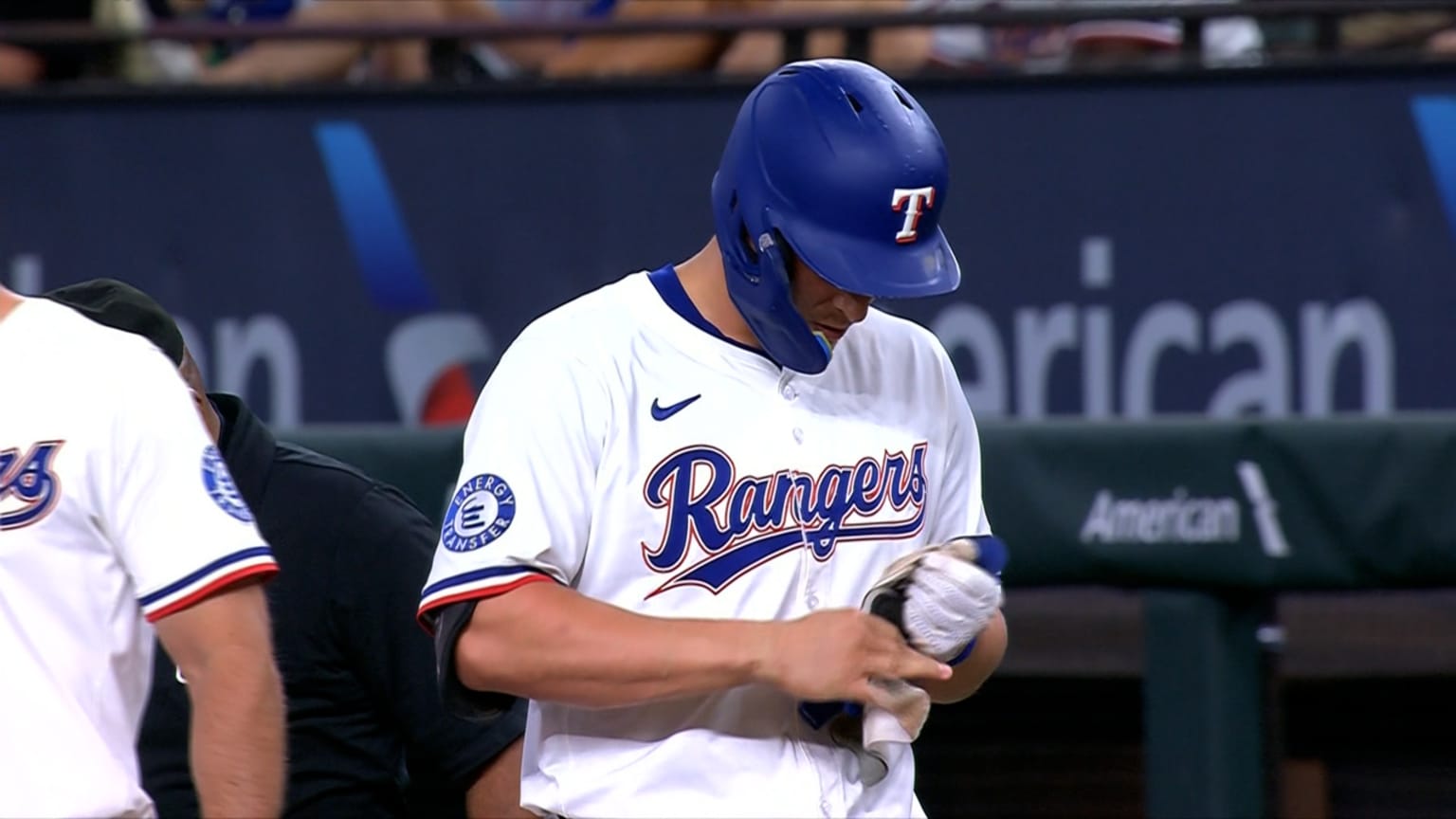
Friday’s lineup adjustment may ultimately be remembered as a minor but important turning point. Sometimes a brief reset is all a player needs to rediscover confidence and timing at the plate. If Seager returns from the off day refreshed and begins producing at his normal level again, the Rangers could quickly become a far more dangerous team.
For now, all eyes will be on how Texas performs against Houston without its star shortstop in the lineup. Duran will have an opportunity to contribute in an expanded role, while the rest of the offense will need to step up in Seager’s absence.
At the same time, attention will remain focused on Seager’s recovery from the slump. Baseball seasons are filled with storylines that evolve over time, and players often experience dramatic swings in performance throughout the year. What currently appears to be a disastrous stretch could eventually become nothing more than a temporary setback in another productive season.
The Rangers are clearly betting that their franchise shortstop will find his form sooner rather than later. Given Seager’s history of success, few would be surprised if he eventually responds with a strong turnaround.
As Texas attempts to climb back into contention and build momentum within the division, getting Corey Seager back to his usual level may be one of the most important factors determining how the rest of the season unfolds. The organization remains hopeful that Friday’s off day represents the first step toward a much-needed resurgence for one of baseball’s most accomplished infielders.