The Texas Rangers are unlikely to be among the most aggressive buyers when Major League Baseball’s trade deadline arrives on Aug. 3. Unless they suddenly catch fire with an extended winning streak over the next couple of weeks, the front office is expected to avoid blockbuster deals that require sacrificing top prospects or taking on significant financial commitments.
That doesn’t mean the Rangers will stand still.
Texas still has several areas on the roster that need reinforcement if the club hopes to remain competitive down the stretch. The bullpen could benefit from another reliable late-inning reliever, the lineup still lacks a dependable right-handed bat, and the catching position remains an area where additional depth would be welcome. On top of those concerns, the starting rotation continues to face uncertainty because of injuries.

For a team operating with limited flexibility, the smartest moves may come in the form of affordable, under-the-radar acquisitions rather than headline-grabbing trades. Sometimes the most valuable deadline additions are players who don’t command premium prospect packages but can still provide meaningful production over the final two months of the season.
One name that fits that description is a familiar one.
Former Rangers starter Tyler Mahle could emerge as an intriguing reunion candidate if Texas decides to pursue another veteran arm before the deadline.
Rotation Questions Continue to Grow
Texas entered the season believing its rotation could be one of the team’s greatest strengths, but injuries have complicated those plans throughout the year.
Several pitchers remain sidelined, while others are still working their way back toward full health. As a result, the Rangers continue searching for stability behind their established starters.
Jordan Montgomery remains a major question mark. Although there is optimism that he could eventually return, there is no clear timetable for when he will be fully healthy or whether he will immediately resemble the dependable pitcher the Rangers have relied upon in previous seasons.
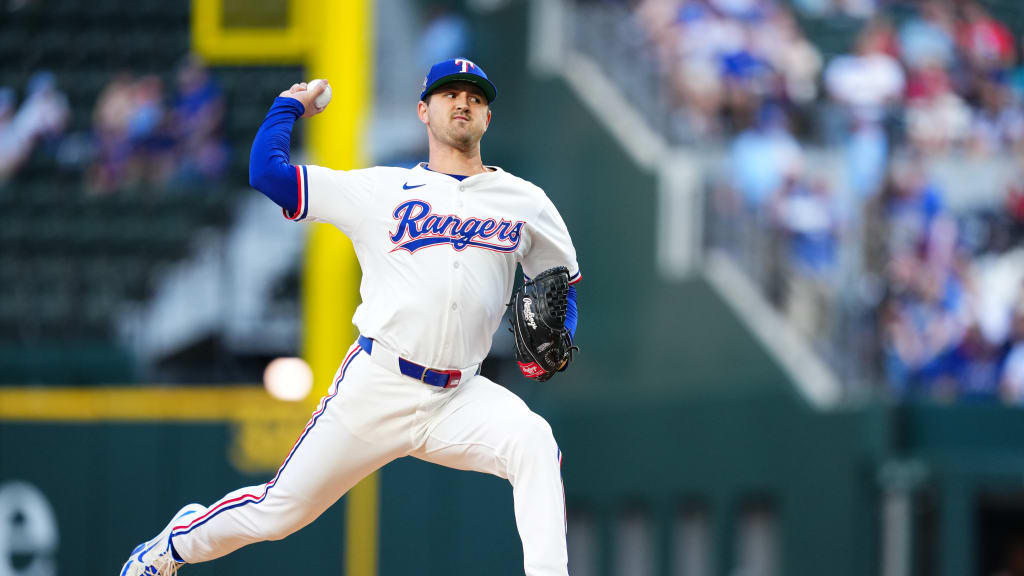
Cody Bradford is another talented arm working through injury concerns. While the organization hopes he can contribute before the season ends, projecting his effectiveness after a lengthy absence remains difficult.
Young right-hander Jack Leiter also isn’t ready to provide immediate help after recovering from ankle surgery. Even once he returns, he will need additional time to rebuild stamina and pitch count before handling a regular starting role.
Because of those uncertainties, adding another experienced starter could become a priority.
The Rangers don’t necessarily need someone capable of leading the rotation every fifth day. Instead, they need a veteran who can consistently take the ball, pitch into the middle innings and give the club a legitimate chance to win.
Mahle may fit that role better than his season statistics initially suggest.
A Familiar Face With Texas Connections
Mahle’s previous stint with the Rangers makes him an especially interesting possibility.
After spending two injury-plagued seasons in Texas, the veteran right-hander signed with the San Francisco Giants before this season. His decision reportedly came with encouragement from former Rangers manager Bruce Bochy, who now manages San Francisco and was familiar with Mahle’s abilities.
Although Mahle’s tenure in Texas featured lengthy stays on the injured list, Rangers coaches also witnessed firsthand how effective he could be when healthy.
That familiarity could work in Texas’ favour should the front office begin exploring reunion possibilities.
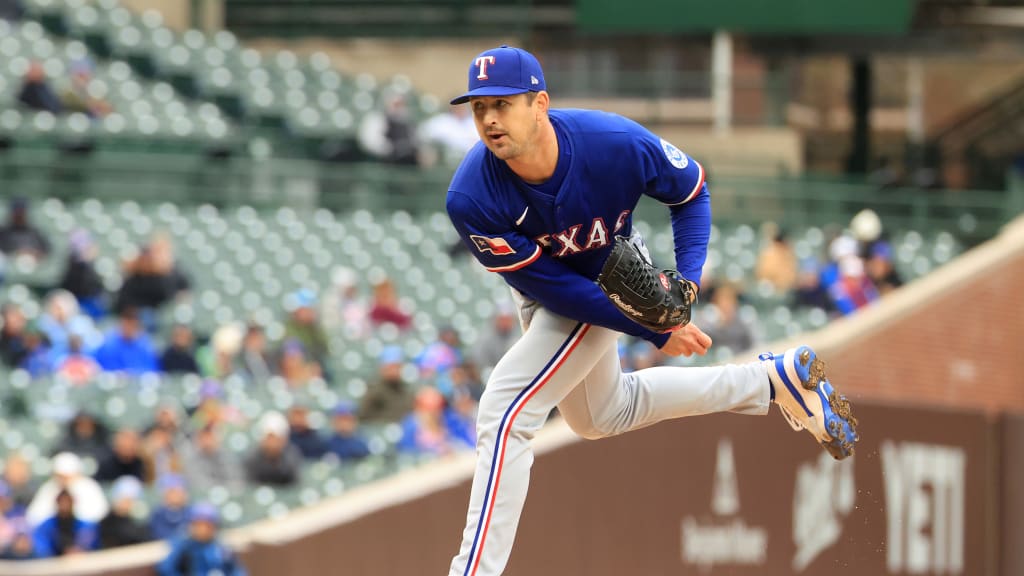
The Rangers already understand Mahle’s personality, work ethic and approach to preparation. They know how he fits inside a clubhouse and how he responds to coaching.
Those factors often matter at the trade deadline, especially for teams looking to make economical additions rather than major roster overhauls.
Instead of gambling on an unfamiliar pitcher, Texas could acquire someone who already knows the organisation, the coaching staff and Globe Life Field.
Injuries Have Continued to Follow Him
Health has unfortunately remained the biggest obstacle throughout Mahle’s career.
His time with Texas included multiple injury setbacks that prevented him from establishing long-term consistency.
The biggest hurdle came when he underwent Tommy John surgery during the 2024 season, forcing him to miss significant time while completing one of baseball’s most demanding rehabilitation processes.
As if that weren’t enough, he also dealt with a partially torn rotator cuff last season, an injury that sidelined him for roughly three months and delayed his return to full strength.
This season brought another trip to the injured list, although the setback proved far less serious than previous ones.
Mahle missed nearly a month with a hamstring strain before successfully returning to San Francisco’s rotation.
Compared to elbow reconstruction and shoulder issues, the hamstring injury represented a relatively minor interruption.
Most importantly, he is healthy again and pitching regularly for the Giants.
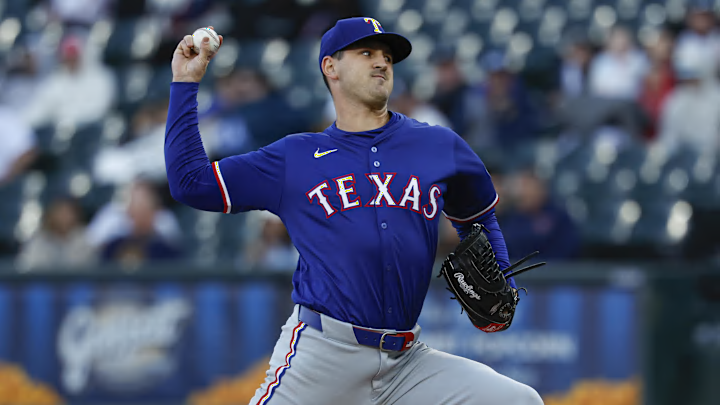
For teams evaluating potential trade targets, current health matters far more than what happened several months ago.
Overall Numbers Don’t Tell the Whole Story
At first glance, Mahle’s statistics don’t exactly inspire confidence.
Through 16 appearances with San Francisco, he owns a 2-9 record accompanied by a 5.31 ERA.
Those numbers are a dramatic decline from what Rangers fans witnessed during stretches of last season.
While pitching in Texas, Mahle posted a strong 6-4 record alongside an impressive 2.18 ERA across 16 appearances before injuries interrupted his campaign.
The contrast between those two seasons is significant.
However, season-long numbers don’t always reflect a player’s current trajectory.
Mahle has quietly shown signs of improvement over recent weeks, and those trends may carry more weight than his overall ERA.
Signs of Encouraging Progress
Recent performances suggest Mahle may finally be settling into a rhythm after returning from injury.
Over his last seven starts, he has posted a 1-1 record with a 4.95 ERA. While those numbers still aren’t spectacular, they represent improvement compared to his rougher outings earlier in the season.
Digging deeper reveals even more encouraging indicators.

Two starts ago against the Colorado Rockies, Mahle delivered one of his strongest performances of the year. He worked seven innings while allowing only five hits and one earned run, helping guide San Francisco to an important victory.
Even more encouraging is his consistency over the past several outings.
Mahle has surrendered three earned runs or fewer in each of his last three starts, suggesting he has begun finding better command and rhythm on the mound.
His performance throughout July further supports that trend.
During the month, he has recorded a respectable 3.86 ERA, a noticeable improvement over his season average.
Those numbers indicate that while Mahle’s overall statistics remain inflated because of difficult outings earlier in the year, his current form is considerably better than many casual observers might realise.
Why Texas Could Be Buying at the Right Time
One of the basic principles of the trade market is buying low on players whose value has temporarily declined.
Mahle may represent exactly that kind of opportunity.
Because his season numbers remain unimpressive, his trade value is likely far lower than it would have been had he produced similar results to last year.
That could allow Texas to acquire him without giving up premium prospects.

The Rangers wouldn’t be asking Mahle to become the ace of the rotation or carry the pitching staff.
Instead, they’d simply need him to provide dependable innings every fifth day while the club waits for injured starters to return.
That assignment appears much more realistic.
If Mahle continues pitching the way he has over his last several outings, he could stabilise the back end of the rotation while reducing pressure on younger pitchers and protecting the bullpen from excessive workloads.
For a team trying to remain competitive over the final two months, that kind of contribution could prove surprisingly valuable.
Financial Commitment Would Be Minimal
Another factor working in Mahle’s favour is the financial side of a potential trade.
The veteran right-hander is playing on a one-year contract worth $10 million.
That agreement included a $3 million signing bonus, meaning only the remaining portion of his salary would transfer to whichever team acquires him.
With roughly two months left in the regular season, Texas would only be responsible for its share of the remaining $7 million salary.

For an organisation trying to improve without dramatically increasing payroll, that represents a manageable investment.
Equally important, Mahle will become a free agent after the season.
His expiring contract means acquiring him wouldn’t create any long-term payroll obligations or block younger pitchers from earning rotation spots in future years.
Texas could simply view him as a short-term rental designed to help navigate the remainder of the season.
Acquisition Cost Should Remain Reasonable
Because Mahle is approaching free agency and has experienced an uneven season, San Francisco would likely struggle to demand a significant return.
Unlike elite starting pitchers who command multiple top prospects, Mahle’s market should be considerably more modest.
The Giants would probably seek a lower-level prospect along with financial relief rather than insisting on one of Texas’ premier young talents.
That distinction is important.
The Rangers are unlikely to empty their farm system for a rental player, especially considering their current position in the standings.
But surrendering a mid-tier prospect in exchange for experienced rotation depth is a much more realistic scenario.
This wouldn’t resemble the type of blockbuster package required to acquire one of the market’s premier starters, such as Merrill Kelly or another front-line arm.
Instead, it would represent exactly the kind of calculated, low-risk transaction that often pays dividends for contenders looking to strengthen roster depth.
A Reunion Worth Exploring
Reunions don’t always work in professional sports, but sometimes familiarity creates an ideal fit.
Mahle already knows the Rangers’ organisation, and the Rangers know exactly what they’re getting when he’s healthy.
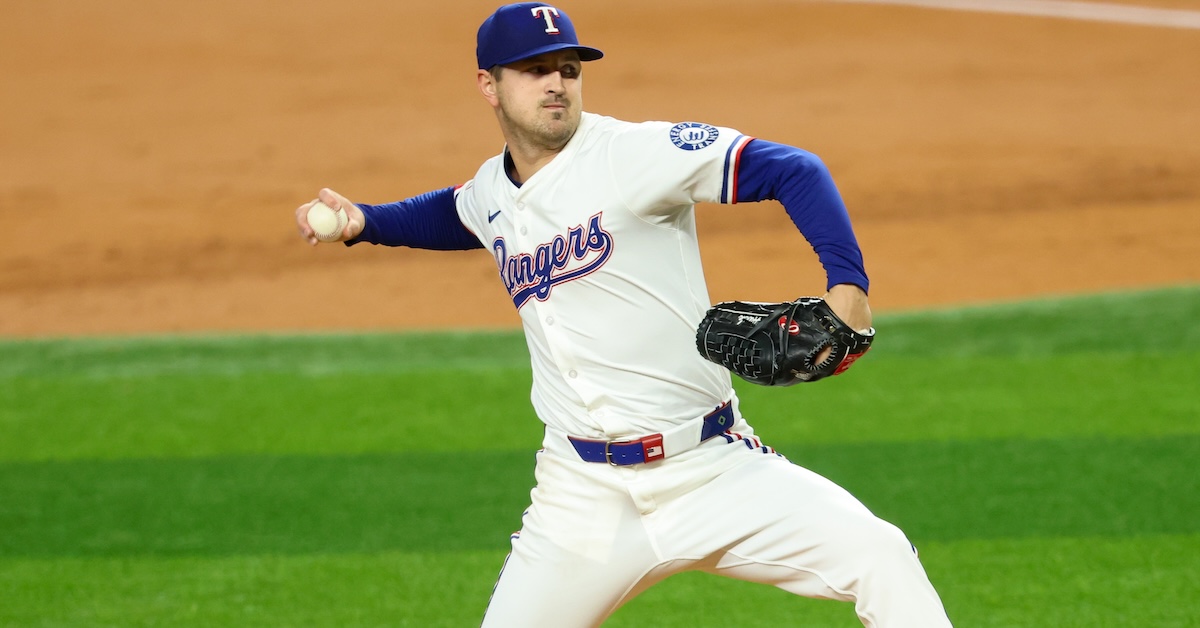
While injuries have prevented him from reaching his full potential over the past few seasons, his recent improvement suggests there could still be productive baseball left in his arm.
Texas isn’t searching for a Cy Young candidate at this stage of the season.
The club simply needs another dependable starter capable of taking pressure off the rest of the pitching staff and helping bridge the gap until injured arms return.
Given Mahle’s improving form, affordable contract, familiarity with the organisation and likely modest acquisition cost, he represents one of the more sensible under-the-radar trade candidates available.
If the Rangers decide to strengthen their rotation without making a blockbuster splash, revisiting a partnership with Tyler Mahle could prove to be one of the smartest and most economical moves they make before the trade deadline.