As the Cardinals Major League Baseball offseason continues to unfold and the calendar inches closer to the start of spring training, analysts across the sport have begun evaluating how each organization has performed during the winter. Front offices are being scrutinized for their roster decisions, long-term planning, and overall direction, and grades are being handed out accordingly. For the St. Louis Cardinals, one prominent evaluator sees reasons for optimism—while still predicting a tough road ahead.
Jim Bowden, a former MLB executive and current writer for The Athletic, recently assessed the Cardinals’ offseason work and assigned the club a solid “B” grade. While Bowden clearly likes many of the moves St. Louis has made so far, he also believes the Cardinals are likely to finish at the bottom of the National League Central once the 2026 season comes to a close. That contrast—encouragement about the process but pessimism about the immediate results—perfectly captures the crossroads at which the franchise currently stands.

A Transitional Offseason in St. Louis
The Cardinals’ winter has been defined less by splashy signings and more by foundational change. This offseason marked the first under new baseball operations leadership, as Chaim Bloom officially took the reins and began shaping the organization according to his vision. Bloom, best known for his work with the Tampa Bay Rays and later the Boston Red Sox, arrived with a reputation for valuing player development, financial flexibility, and long-term sustainability. His first few months on the job made it clear that patience—and a willingness to reset—would be central themes.

Rather than attempting to patch holes and chase short-term contention, the Cardinals opted to step back and reevaluate the roster from the ground up. That meant making difficult decisions involving some of the most recognizable names in recent franchise history. Over the course of the offseason, St. Louis parted ways with former All-Stars Sonny Gray, Willson Contreras, and Nolan Arenado. Each of those players had previously been considered core pieces, and each agreed to waive their no-trade clauses to facilitate a move.
In return, the Cardinals did not seek immediate star power. Instead, they focused on acquiring younger, controllable talent—particularly pitching prospects who could grow alongside the next competitive Cardinals team. Along with those prospects came several short-term, stopgap arms such as Hunter Dobbins and Richard Fitts, players expected to provide innings while the organization continues to evaluate its internal options.
Jim Bowden’s View of the Cardinals’ Strategy
From Bowden’s perspective, the Cardinals’ approach deserves credit even if it doesn’t translate into wins right away. He sees Bloom’s early moves as a clear signal that St. Louis is committing to a deliberate rebuild rather than clinging to an aging core. Trading away Gray, Contreras, and Arenado was not just about shedding salary or changing the clubhouse dynamic—it was about resetting the organizational timeline.
Bowden has pointed out that each of those trades brought back pitching prospects with multiple years of team control, something Bloom has consistently prioritized throughout his career. Among those incoming players, left-handed pitcher Brandon Clarke—acquired in the Sonny Gray deal—stands out as having particularly high upside. While Clarke is far from a finished product, his raw tools and development potential make him an intriguing piece for the Cardinals’ future rotation.
This emphasis on young arms reflects a broader organizational philosophy. Pitching depth, especially internally developed pitching, is notoriously difficult to build quickly. By stockpiling prospects now, the Cardinals are attempting to address a long-standing weakness while positioning themselves to be more competitive in the coming years.
The Brendan Donovan Question
Despite all the movement, the Cardinals may not be done reshaping their roster. One name that continues to circulate in trade rumors is Brendan Donovan. The versatile infielder/outfielder has drawn interest from multiple teams due to his plate discipline, defensive flexibility, and remaining years of control. As of now, St. Louis has held onto him, but that could change.

The Seattle Mariners have frequently been mentioned as a potential trade partner, and with less than two weeks remaining before pitchers and catchers report to spring training, the situation remains fluid. Moving Donovan would further underscore the Cardinals’ commitment to their rebuild, though it would also remove one of the more reliable everyday players currently on the roster.
Short-Term Pain, Long-Term Curiosity
There is no escaping the reality that trading away three marquee players comes with immediate consequences. Teams rarely improve in the standings after subtracting that much established talent, and the Cardinals are unlikely to be an exception. Bowden and many other observers agree that the 2026 season will almost certainly involve growing pains.

That said, the lack of proven stars could be offset—at least emotionally—by an influx of youth and opportunity. Without entrenched veterans blocking playing time, younger players will be given meaningful chances to establish themselves at the major league level. For fans, that often brings a different kind of excitement: watching the next generation begin to take shape.
One of the most anticipated arrivals is shortstop JJ Wetherholt, widely regarded as one of the top prospects in all of baseball. A consensus top-10 talent, Wetherholt is expected to make his MLB debut at some point during the season. His combination of athleticism, offensive polish, and defensive ability gives the Cardinals a potential cornerstone around which to build.
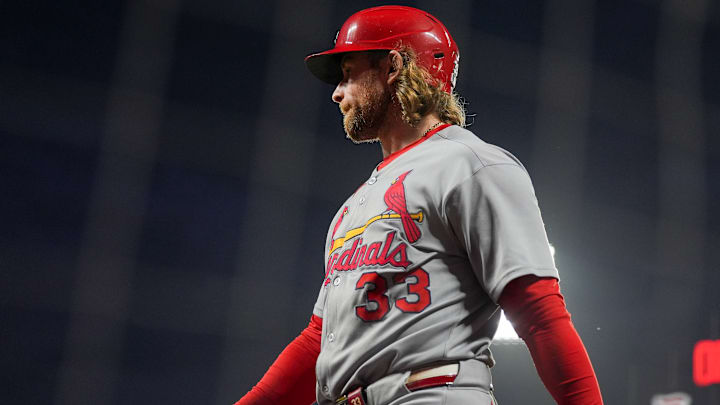
Another name to watch is Liam Doyle, the Cardinals’ first-round pick in the 2025 draft. While pitchers often take longer to develop, Doyle’s advanced profile could allow him to reach the majors sooner than expected. If he does, it would further reinforce the sense that St. Louis is entering a new developmental phase.
A Younger, More Athletic Identity
One noticeable shift under Bloom has been an emphasis on athleticism and versatility. The Cardinals of recent years were often criticized for being slow, rigid, and overly reliant on veterans past their prime. The new roster, while less accomplished, figures to be more dynamic.
This change in identity could lead to a brand of baseball that is entertaining but inconsistent. Young teams tend to play hard, run aggressively, and flash moments of brilliance—only to be undone by inexperience and inconsistency. For a rebuilding club, that tradeoff is often acceptable.
To help stabilize things, the Cardinals signed veterans Dustin May and Ryne Stanek. Neither is expected to carry the team, but both serve an important purpose. If healthy and effective, they could provide leadership, innings, and just enough competence to prevent the season from spiraling completely out of control. The hope is that these additions can keep the team competitive enough in the first half to maintain interest while younger players continue to develop.
Predicting the Standings
Despite the positives surrounding the Cardinals’ long-term direction, Bowden is realistic about their place in the division. Like most analysts, he expects St. Louis to finish last in the NL Central. Given the circumstances, that projection is difficult to dispute.

The Chicago Cubs, Milwaukee Brewers, and Cincinnati Reds all reached the postseason in 2025 and return rosters that appear strong on paper. Meanwhile, the Pittsburgh Pirates, long considered the division’s weakest link, made a concerted effort to improve over the winter. Collectively, the rest of the division looks deeper, more established, and better positioned to win right now.
On paper, the Cardinals simply don’t stack up. They lack star power, their rotation is filled with question marks, and their lineup will rely heavily on unproven players. However, as Bowden and others are quick to note, baseball games aren’t decided by preseason projections.
Beyond the Results
Ultimately, the success or failure of the Cardinals’ 2026 season may have less to do with their final record and more to do with progress. Are young pitchers taking steps forward? Are prospects adjusting to major league competition? Is the organization laying the groundwork for sustained success rather than chasing fleeting relevance?
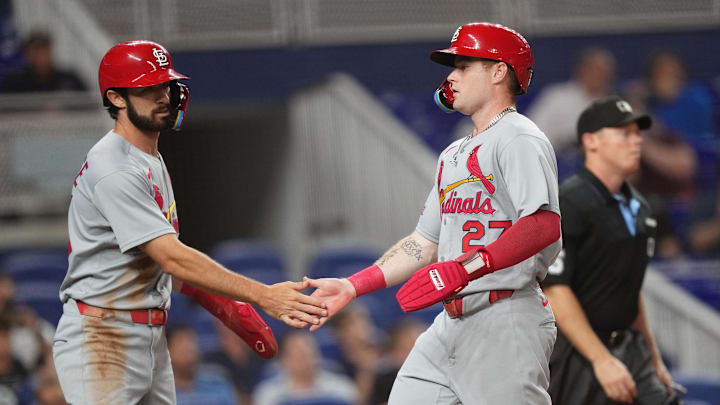
Bowden’s “B” grade reflects that broader view. He isn’t judging the Cardinals by wins and losses alone, but by whether their decisions make sense within a long-term framework. From that perspective, St. Louis appears to be on steadier footing than it has been in years.
The road ahead may be bumpy, and patience will be required from both fans and players. Still, for the first time in a while, there is a clear direction in place. Even if the Cardinals finish at the bottom of the standings, the seeds planted this offseason could pay dividends sooner than many expect.
And in baseball, hope—especially the kind rooted in youth and development—can be just as important as the standings themselves.