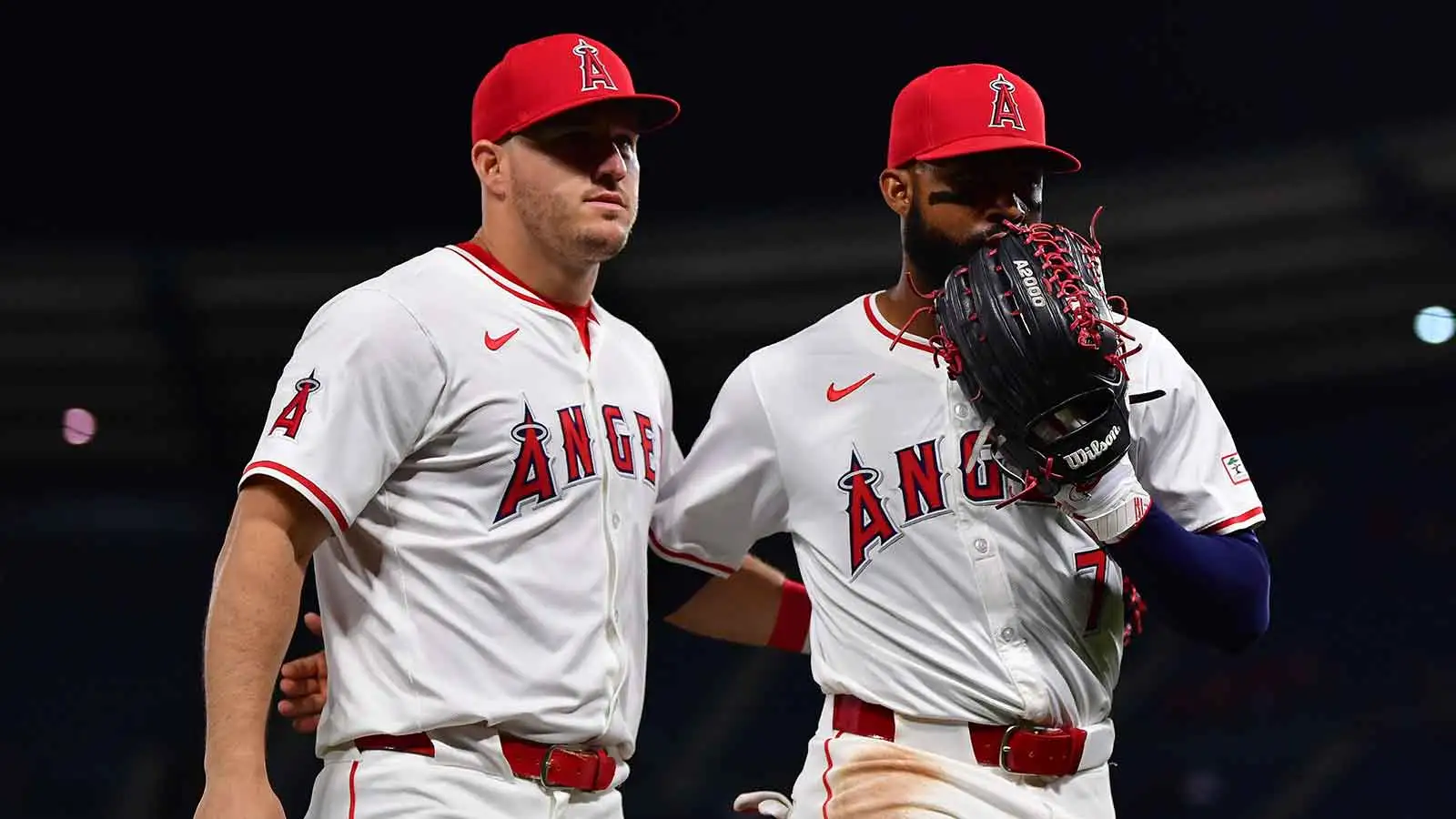
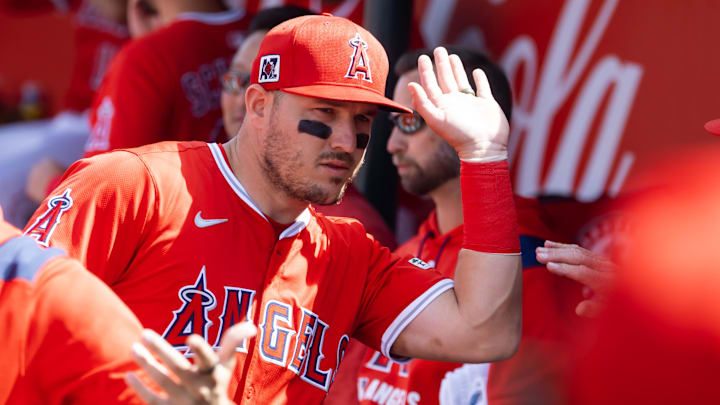
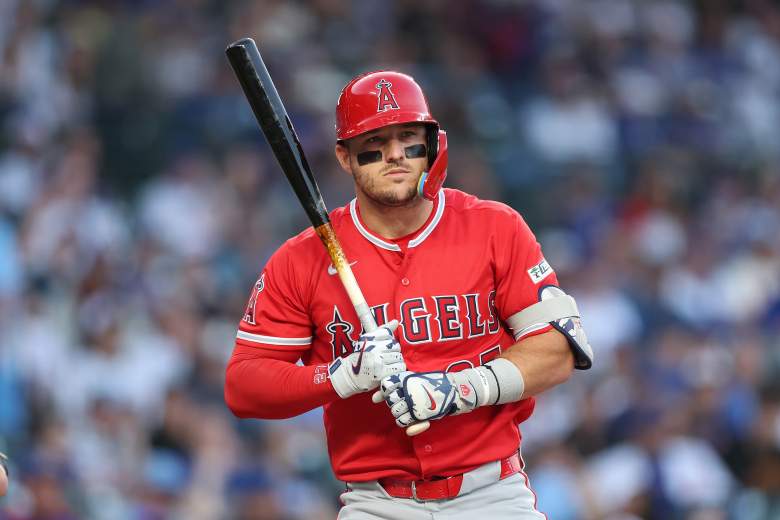
Mike Trout is putting together one of the most impressive offensive seasons of his recent career, reminding baseball fans and analysts alike why he has long been considered one of the sport’s elite talents. After several years in which injuries limited his availability and affected his production, Trout has returned to form at the plate, delivering the type of consistent offensive output that once made him a perennial MVP candidate. His strong performance has reignited conversations about his place among the league’s best players and has positioned him as a serious contender to earn his first All-Star Game selection since 2019.
Despite ongoing speculation surrounding the Los Angeles Angels and their future direction as a franchise, there appears to be little indication that Trout will be on the move before the trade deadline. Throughout his career, Trout has repeatedly expressed his commitment to the Angels organization and his desire to remain with the club. Although teams around the league would undoubtedly have interest in acquiring a player of his caliber if he were available, all signs suggest that the veteran outfielder intends to stay in Anaheim and continue serving as one of the cornerstones of the franchise.
While Trout’s future seems secure with the Angels, the same cannot necessarily be said for every player on the roster. As the trade deadline approaches, the organization may look to make moves that help position the club for long-term success. One player who has emerged as a potential trade candidate is outfielder Jo Adell, whose combination of athleticism and power continues to intrigue evaluators despite inconsistent overall production.
According to Bleacher Report analyst Tim Kelly, Adell could become an attractive option for teams seeking offensive reinforcement during the second half of the season. Kelly noted that there is expected to be a limited supply of quality right-handed hitters available on the trade market, which could increase interest in players like Adell. Although Adell has yet to fully realize the enormous potential that made him one of baseball’s most highly regarded prospects, his raw talent remains evident.

Kelly pointed to several examples that showcase Adell’s remarkable abilities. Earlier in the season, the outfielder demonstrated his athleticism and defensive instincts by robbing three home runs in a single game, an accomplishment that few players could match. Such performances highlight the tools that once made Adell one of the most exciting young prospects in the sport.
His offensive capabilities have also been on display throughout his professional career. Last season, Adell delivered the most productive offensive campaign of his major league tenure, launching 37 home runs and driving in 98 runs. Those numbers illustrated the type of impact he can have when he is performing at his best. Players capable of producing that level of power are highly valued across baseball, particularly by teams with postseason aspirations.
However, despite those impressive counting statistics, Adell has struggled to consistently develop into the complete offensive player many envisioned. This season, he has posted a .684 OPS, a figure that falls below expectations given his physical gifts and previous prospect pedigree. While flashes of brilliance continue to appear, they have often been accompanied by periods of inconsistency, preventing him from establishing himself as a reliable middle-of-the-order threat.
Kelly suggested that a change of scenery could ultimately benefit both Adell and the Angels. Sometimes, highly talented players find new levels of success after joining a different organization, where a fresh coaching staff, altered expectations, or a new environment allows them to unlock previously unrealized potential. For Adell, such a move could provide an opportunity to reset and develop into the player many believed he could become when he first entered professional baseball.
From the Angels’ perspective, trading Adell could make sense if the organization determines that his long-term future does not align with its plans. While the club would be giving up a player with significant upside, it could potentially receive valuable prospects or young talent in return. Such assets could help strengthen the organization’s farm system and provide building blocks for future success.
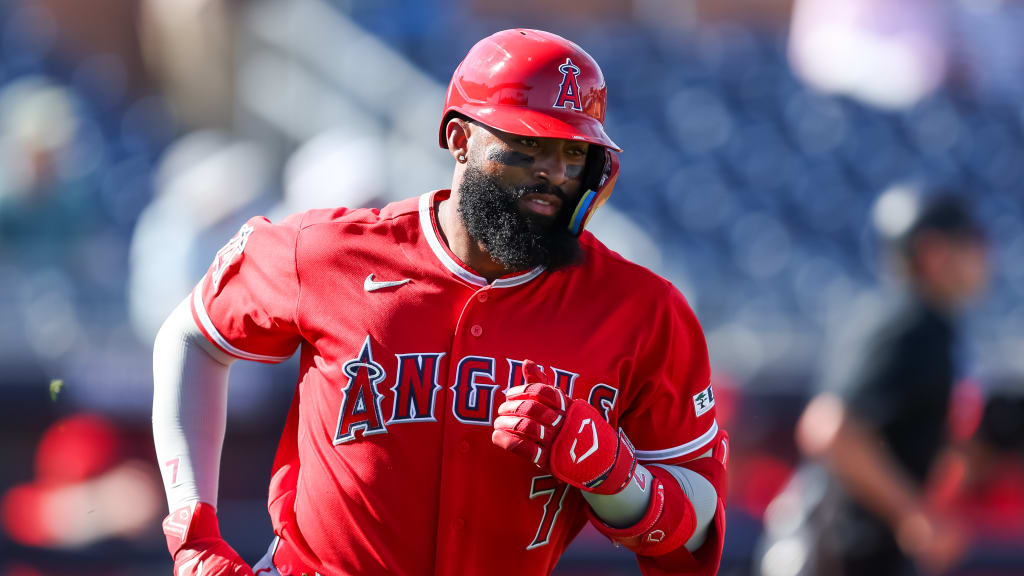
For potential buyers, Adell’s appeal goes beyond his current production. Teams evaluating trade targets often consider a player’s age, contractual status, and future potential in addition to present performance. In those areas, Adell remains an attractive option.
At just 27 years old, Adell is still relatively young compared to many players who become available at the trade deadline. While he has already accumulated several seasons of major league experience, he remains young enough that teams can reasonably project future improvement. Organizations with strong player development programs may believe they can help him refine certain aspects of his game and unlock greater consistency.

Another factor enhancing Adell’s trade value is the amount of team control attached to his contract. He is not scheduled to reach free agency until after the 2027 season, meaning any team that acquires him would not be making a short-term rental acquisition. Instead, that club would gain control of his services for approximately a season and a half beyond the current campaign.
In today’s competitive market, players with multiple years of team control often command greater interest than those nearing free agency. Front offices are increasingly focused on maximizing value, and acquiring a player who can contribute beyond a single playoff run is generally viewed as a more appealing investment.
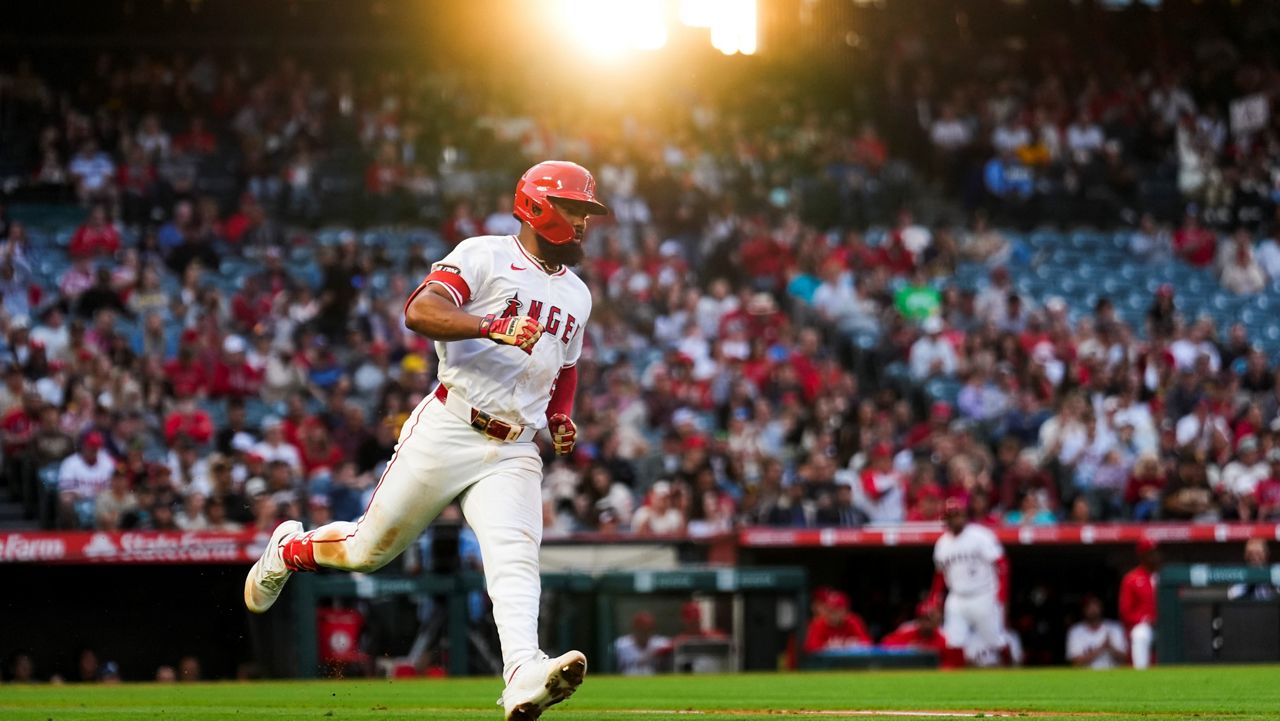
Kelly also highlighted Adell’s arbitration status as another reason why teams could view him favorably. The outfielder still has one remaining year of arbitration eligibility, giving any acquiring club an additional season before he reaches the open market. This provides financial flexibility and allows organizations to maintain cost control while evaluating his long-term fit.
As a result, a team trading for Adell would not simply be acquiring a temporary solution for a playoff push. Instead, it would be investing in a player who still possesses considerable upside and could potentially become an important contributor for multiple seasons. For contenders seeking to strengthen their lineup while also planning for future years, that combination of affordability, control, and potential could prove highly attractive.
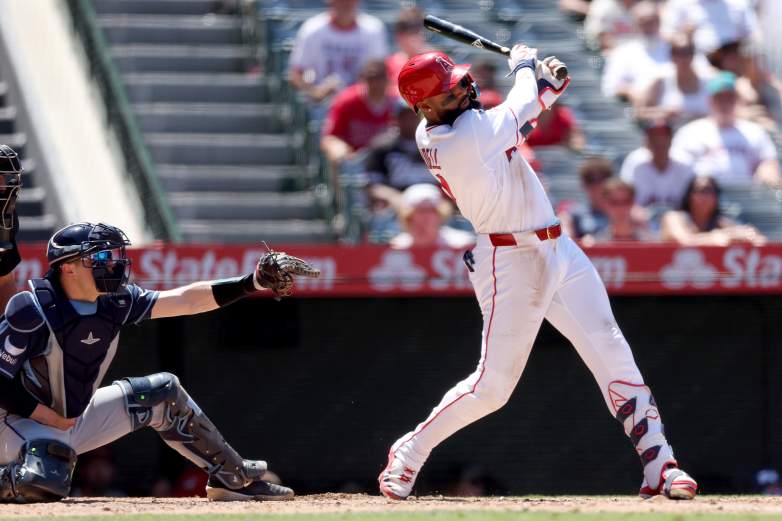
Power remains one of the most sought-after commodities in baseball, and Adell certainly possesses plenty of it. His ability to drive the ball over the fence consistently can change the complexion of an offense. Teams that struggle to generate home-run production or lack right-handed power could view him as an ideal addition.
A contender with a deep lineup may be especially well-positioned to benefit from adding Adell. In such an environment, he would likely face less pressure than he has experienced in Anaheim. Rather than being expected to serve as a central offensive figure, he could occupy a complementary role that allows his strengths to shine while minimizing the impact of his weaknesses.
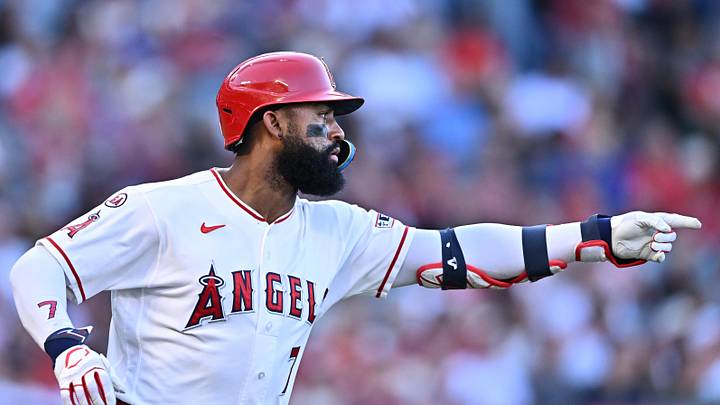
The possibility of a trade also reflects the broader situation facing the Angels organization. Despite possessing talented players, the franchise has struggled in recent years to establish itself as a consistent postseason contender. As a result, management must carefully evaluate which players fit into the club’s long-term vision and which assets could potentially be converted into future value.
Should the Angels decide to move Adell, the return package would likely focus heavily on prospects. Building organizational depth remains critical for teams attempting to sustain success over multiple seasons. By acquiring younger players with developmental upside, the Angels could strengthen their talent pipeline and increase the likelihood of discovering future impact contributors.
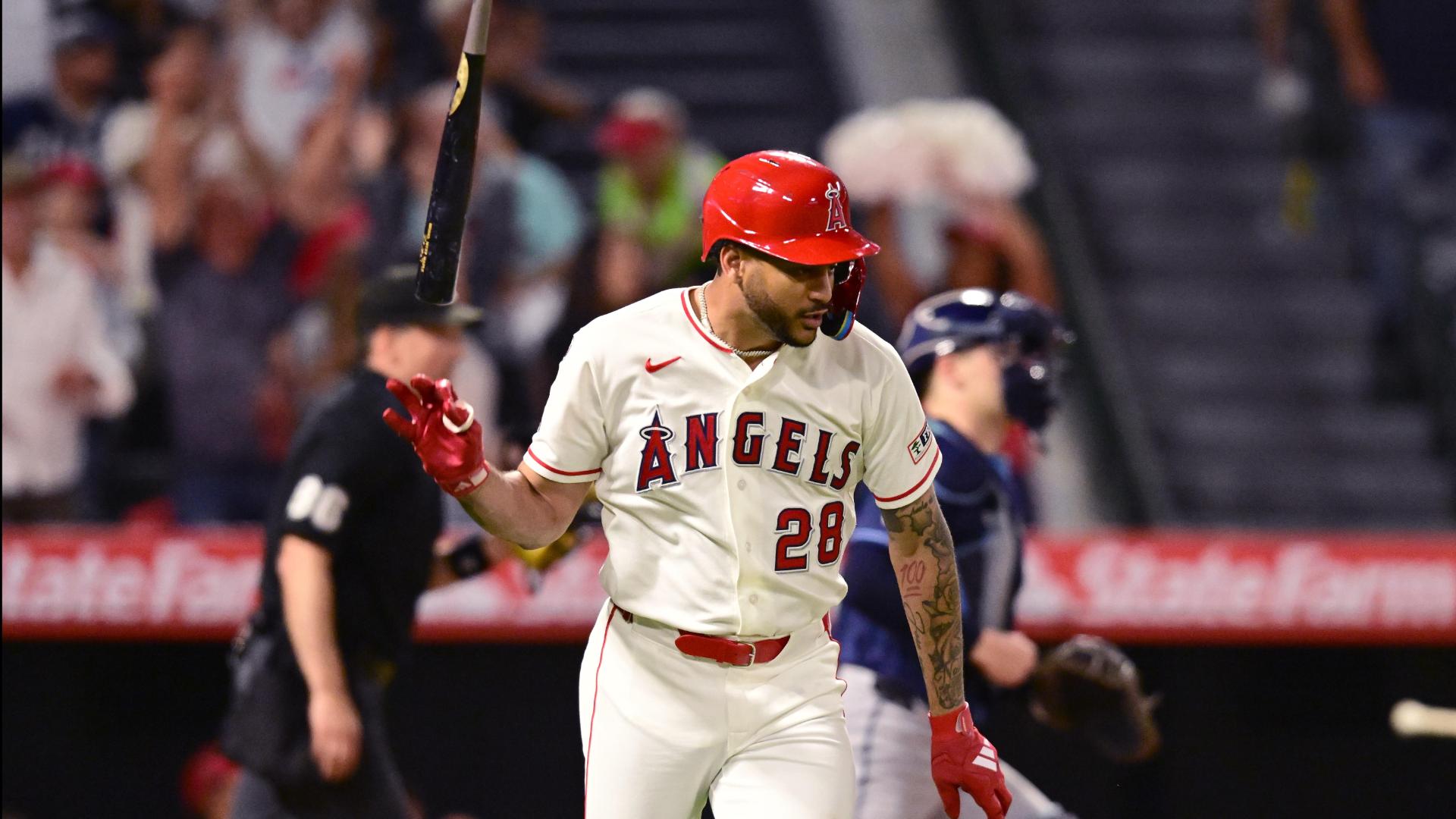
Prospect acquisitions always involve a degree of uncertainty. Not every highly regarded minor leaguer develops into a productive major league player. Nevertheless, accumulating promising young talent remains one of the most effective strategies for organizations seeking to improve their long-term outlook.
For the Angels, adding multiple prospects could increase the odds that at least one emerges as a meaningful contributor at the major league level. Whether as a future everyday player, rotation piece, or bullpen arm, even a single successful development story can significantly influence a franchise’s trajectory.
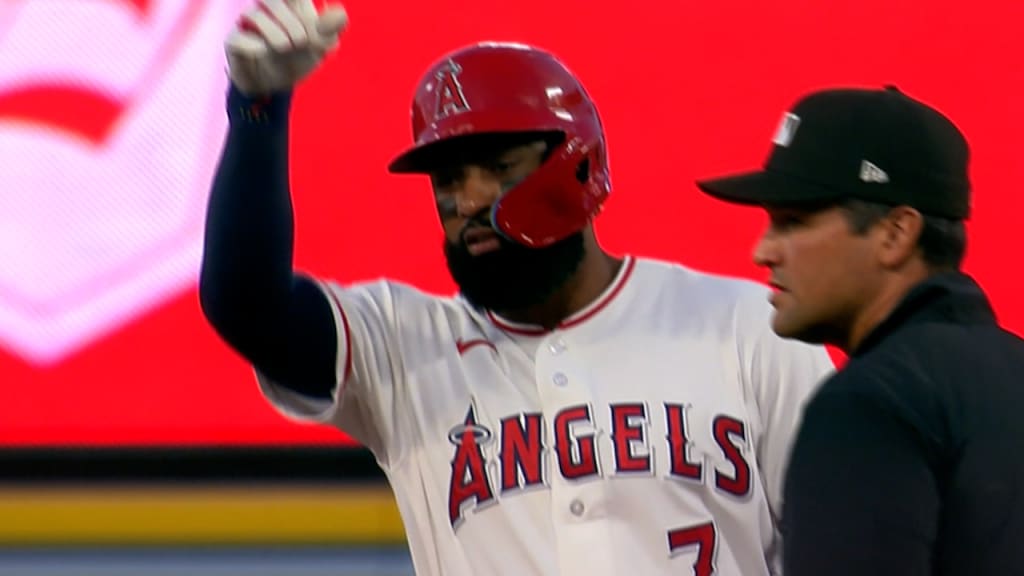
As the trade deadline draws closer, discussions surrounding Adell’s future are likely to intensify. Teams across baseball will continue evaluating potential additions, and Adell’s blend of youth, power, athleticism, and contractual control could place him firmly on the radar of numerous front offices.
At the same time, the Angels must determine whether they still believe he can become an important part of their future. The organization has invested significant time and resources into his development, and there remains a possibility that his best years are still ahead of him. Deciding whether to hold onto that potential or capitalize on his trade value will be one of the more intriguing questions facing the club.
While Mike Trout’s resurgence has become one of the season’s most encouraging storylines for Angels fans, the future of Jo Adell may represent one of the organization’s most significant decisions in the months ahead. Trout appears poised to continue anchoring the franchise and pursuing another All-Star appearance, but Adell’s situation is far less certain. Whether he remains in Anaheim or finds a new home elsewhere, his combination of talent and untapped potential will make him one of the more fascinating names to watch as the trade deadline approaches.
READ MORE