For most Major League Baseball players, retirement does not come with a grand farewell tour, a standing ovation, or a storybook ending. Instead, it is often the result of a long and emotionally draining process marked by injuries, setbacks, uncertainty, and the difficult realization that the body and mind can no longer withstand the demands of professional baseball. Rather than ending with one defining moment, many careers slowly fade as athletes battle physical limitations while searching for one final opportunity to continue playing the game they love.
Former Boston Red Sox left-handed pitcher Ryan Sherriff recently offered a rare and deeply personal glimpse into that journey by sharing an emotional retirement essay on his Substack. His candid reflections revealed the mental and physical struggles that ultimately convinced him it was time to step away from baseball after more than a decade in professional baseball. Through his story, Sherriff highlighted the difficult reality many athletes face when passion alone is no longer enough to overcome persistent injuries and declining health.

Looking back on the closing chapter of his career, Sherriff explained that the turning point came during the 2023 season while he was with the Boston Red Sox organization. After working tirelessly to recover from injuries and earn another opportunity, he reached a point where continuing to push through the pain no longer seemed possible. He admitted that he had become exhausted both mentally and physically, realizing that the endless cycle of rehabilitation, uncertainty, and setbacks had taken a significant toll.
Reflecting on that difficult period, Sherriff recalled deciding to enter free agency after his time with the Red Sox. Soon afterward, he signed a minor league contract with the Los Angeles Dodgers, an organization he had always dreamed of joining. For the California native, the opportunity carried special meaning because it offered the possibility of pitching at Dodger Stadium, the iconic ballpark he had admired since childhood. Even though he understood the challenges ahead, the chance to represent his hometown team gave him renewed motivation.
However, those hopes were quickly interrupted. During only his second Triple-A appearance with the Dodgers organization, Sherriff experienced another troubling setback when the tightness in his forearm returned. The recurring discomfort immediately raised concerns that his body was no longer capable of handling the physical demands of professional pitching. Instead of trying to ignore the warning signs, he recognized the seriousness of the situation.
Sherriff later revealed that he contacted the Dodgers’ farm director and expressed what he had been struggling to admit to himself for some time—that his baseball career was likely over. It was an emotional conversation because it represented more than just another injury update. It was an acknowledgment that years of perseverance, rehabilitation, and determination had reached their limit.

Although he stepped away from affiliated baseball after that season, Sherriff was not quite ready to let go of his dream. Like many athletes who have dedicated their lives to their sport, he wanted to be absolutely certain before walking away permanently. Determined to give himself one final opportunity, he attempted another comeback several months later by continuing his pitching career outside Major League Baseball.
His comeback efforts took him to professional leagues in both the Dominican Republic and Mexico. These opportunities allowed him to continue competing while testing whether his body still had enough left to sustain a professional career. Unfortunately, the results confirmed what he had already begun to suspect.
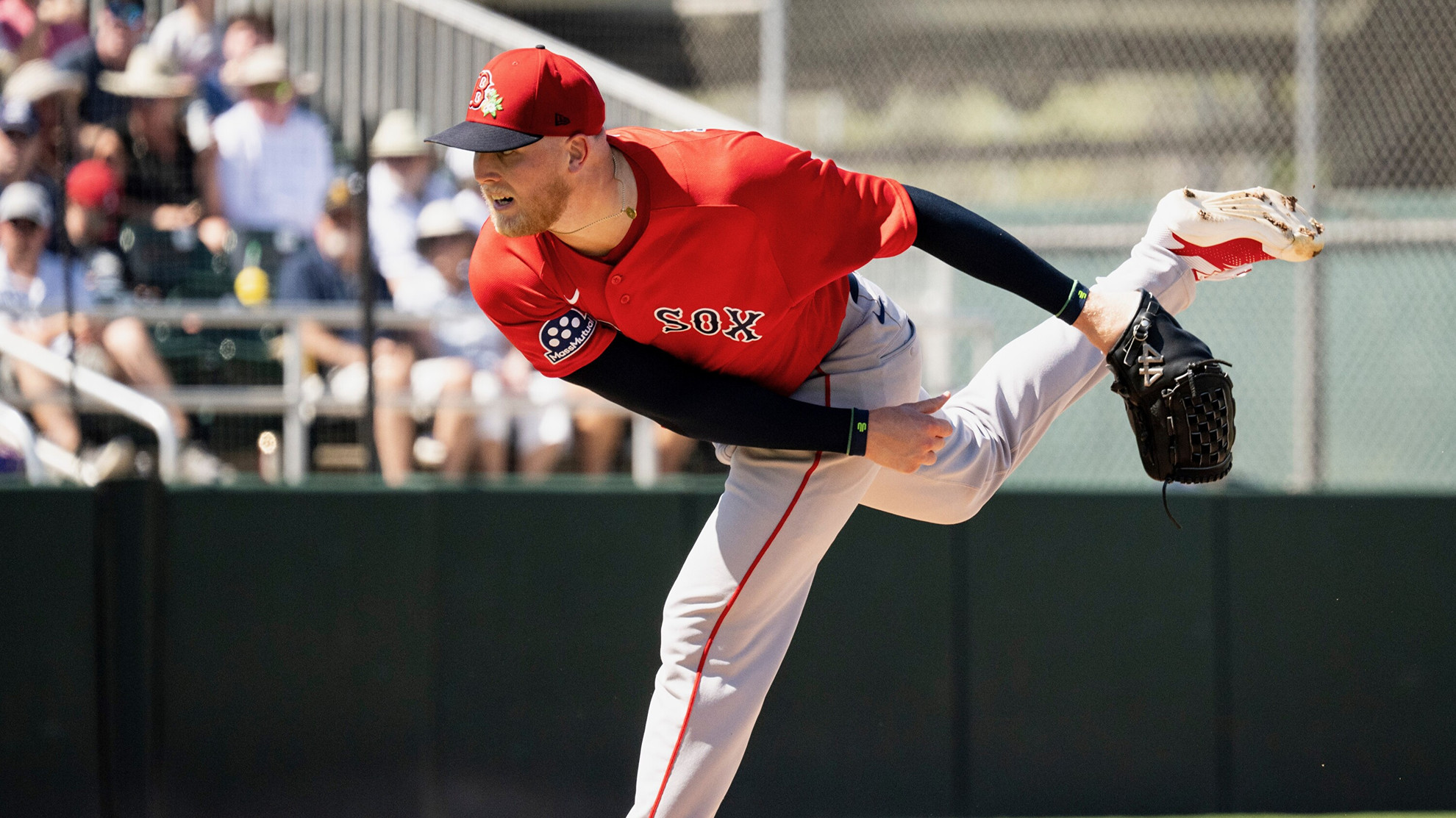
Sherriff admitted that despite his determination, neither his arm nor his mindset could keep pace with the demands of professional baseball anymore. Years of injuries had accumulated, and the emotional burden of constantly fighting through physical limitations had become overwhelming. More importantly, he said he finally accepted a truth he had resisted acknowledging for a long time—that his playing career had reached its natural conclusion.
That realization was especially difficult because athletes often spend years convincing themselves they can recover from every setback. Competitive drive encourages players to believe the next rehab assignment, the next opportunity, or the next season could restore their careers. Sherriff explained that this time felt different because, deep down, he knew the answer before he was willing to admit it publicly.
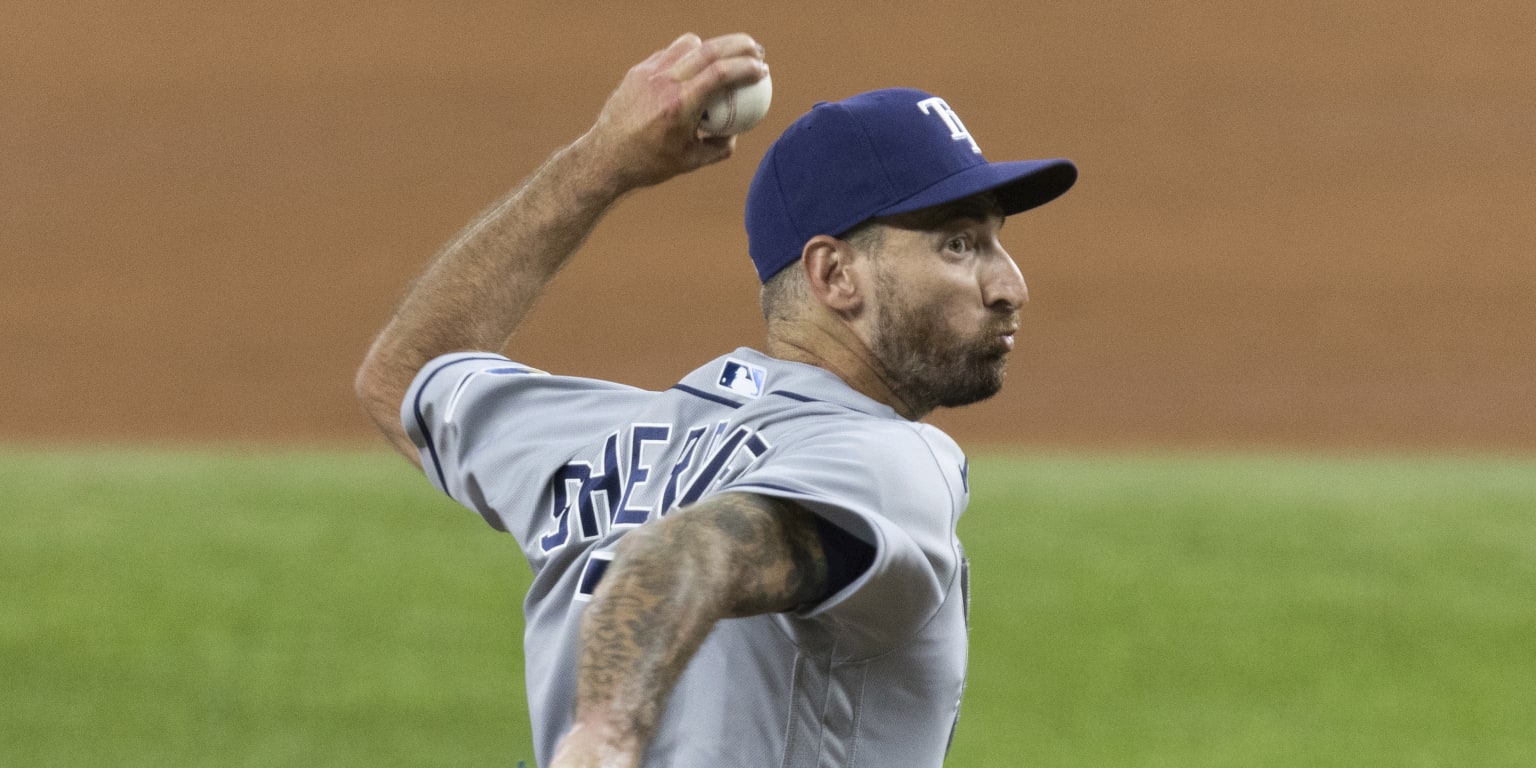
His retirement marked the conclusion of a professional baseball journey that began more than a decade earlier. Sherriff was originally selected by the Washington Nationals in the 28th round of the 2010 Major League Baseball Draft. As a late-round selection, he faced long odds of reaching the major leagues, but through determination and steady development he gradually worked his way through the minor league system.
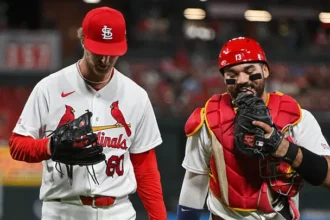
After years of hard work, Sherriff achieved his lifelong dream by making his Major League debut with the St. Louis Cardinals during the 2017 season. Reaching baseball’s highest level represented a remarkable accomplishment for a player who was not considered one of the organization’s top prospects. His perseverance demonstrated that dedication and resilience could overcome modest expectations.
Following his stint with the Cardinals, Sherriff continued his major league career with the Tampa Bay Rays, joining the club in 2020. During his time in Tampa Bay, he contributed as a relief pitcher while continuing to battle for roster opportunities in one of baseball’s most competitive environments.
His career, however, increasingly became defined by injuries and roster movement rather than stability. At the conclusion of the 2021 season, the Rays placed Sherriff on waivers, where he was claimed by the Philadelphia Phillies. The move represented another chance to revive his career, but his progress was soon interrupted by health issues.
During the 2022 season, a shoulder strain significantly limited his availability. The injury restricted him to only 14 appearances in the minor leagues, making it difficult to build momentum or demonstrate his abilities. Eventually, the Phillies removed him from their 40-man roster by outrighting him in August, and he entered free agency after the season concluded.
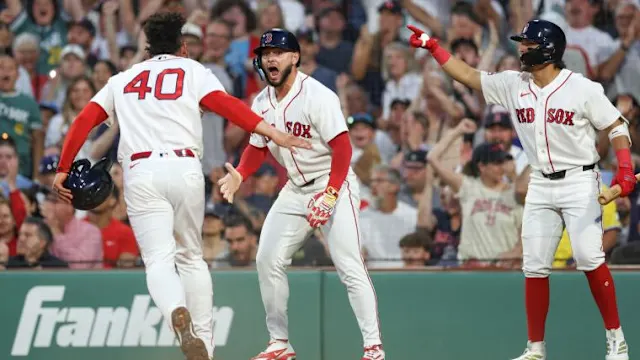
Searching for another opportunity, Sherriff signed a minor league contract with the Boston Red Sox ahead of the 2023 season. Like many experienced pitchers attempting to return from injury, he hoped a strong performance would earn another chance in the major leagues. While he did make his final Major League appearance with Boston, recurring injuries ultimately prevented him from extending his career.
After leaving the Red Sox organization, his brief stop with the Dodgers offered one final glimpse of hope. As someone who grew up in Culver City, California, wearing the Dodgers uniform carried tremendous personal significance. The possibility of pitching for his hometown organization represented a childhood dream that seemed within reach after years of perseverance.
Sadly, that dream never became reality. Although he joined the Dodgers organization, persistent arm problems prevented him from ever taking the mound at Dodger Stadium. The opportunity he had imagined for so many years disappeared before it could materialize.
Even so, Sherriff expressed no bitterness over what might have been. Instead, he reflected honestly on the reality of his situation. While he acknowledged that pitching at Dodger Stadium would have been an unforgettable experience, he also recognized that his physical condition and mental state no longer allowed him to compete at the level required.
Perhaps the most powerful part of Sherriff’s retirement reflection centered not on any single injury but on the constant uncertainty that accompanies professional sports. For more than 13 years, he lived without knowing how his body would respond each morning. Every day brought new questions about pain, recovery, performance, and whether another setback awaited around the corner.
That relentless uncertainty gradually became more exhausting than any individual injury. Constant rehabilitation, repeated attempts to return, and the emotional strain of never knowing whether his body would cooperate eventually wore him down. After spending more than a decade fighting to continue his career, he realized he no longer wanted to live with that level of unpredictability.
His story serves as a reminder that retirement is rarely a simple decision for professional athletes. While fans often focus on statistics, championships, and memorable performances, the final chapter is frequently shaped by unseen struggles involving rehabilitation, emotional fatigue, and difficult conversations behind the scenes. For players like Ryan Sherriff, leaving baseball is not about losing passion for the game—it is about recognizing when the physical and mental demands have become greater than the ability to continue competing.
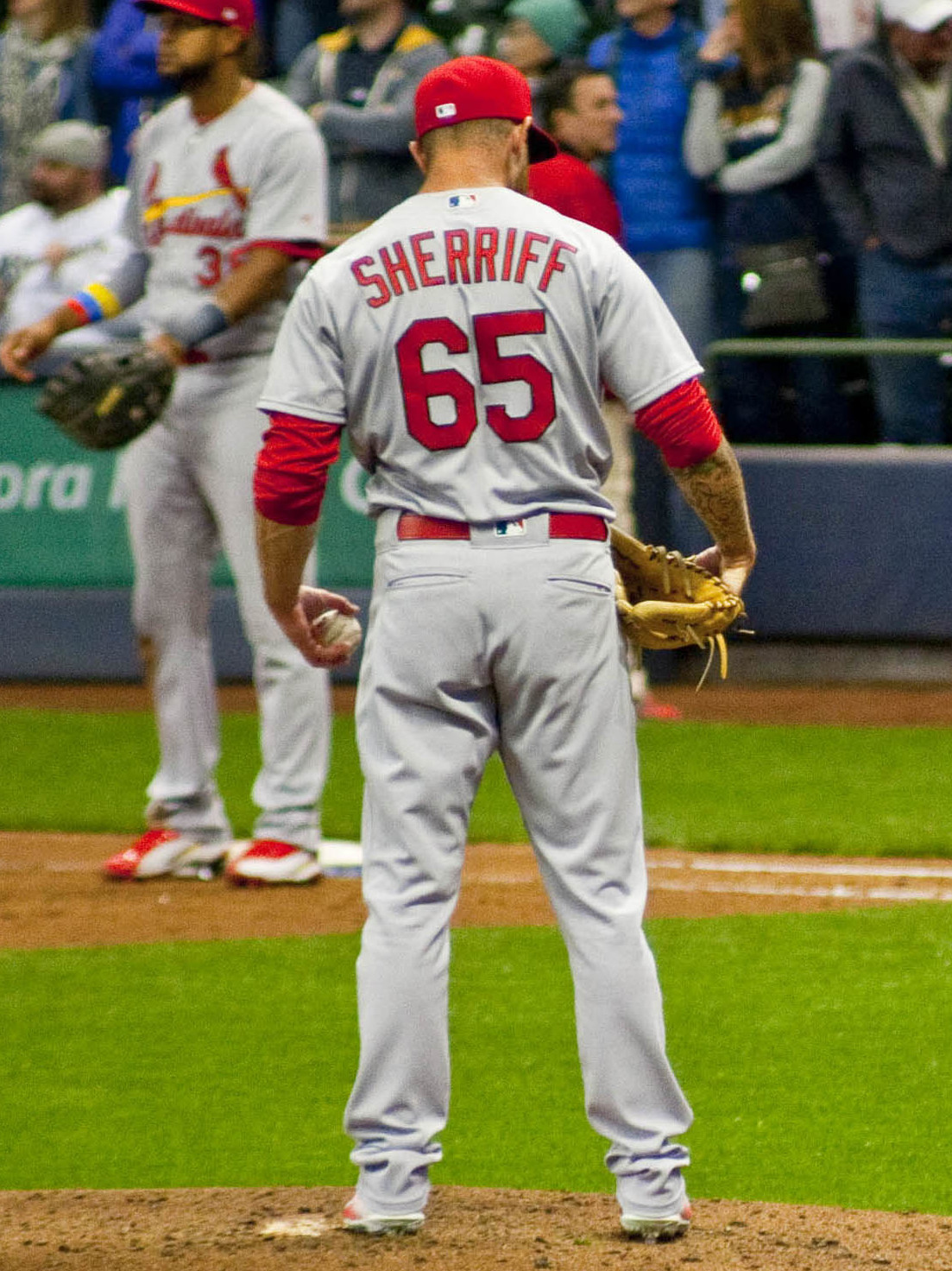
Although Sherriff never experienced every milestone he once envisioned, including pitching at his hometown ballpark, his career remains one defined by perseverance, resilience, and determination. From being a late-round draft pick to reaching the major leagues and spending more than a decade in professional baseball, he accomplished what countless aspiring players only dream of achieving. His retirement announcement provides an honest and heartfelt perspective on the realities of professional sports, illustrating that some of the most meaningful victories come not on the field, but in having the courage to accept when it is finally time to move on.
READ MORE