The St. Louis Cardinals appear to be entering a pivotal stretch as the MLB trade deadline approaches, with the organization facing difficult decisions about several players who could soon find themselves in new uniforms.
St. Louis has spent much of the season hovering around the National League playoff race, but the bigger picture remains centered on developing young talent and building toward the future. That has placed the Cardinals in an interesting position heading into the final hours before the deadline.
Rather than making moves solely with the current season in mind, the front office has an opportunity to turn veteran players on short-term contracts into prospects and other pieces who could contribute to the next competitive Cardinals team.
That approach has inevitably created some uncertainty inside the clubhouse.

Players know that teammates they have shared a clubhouse with all season could suddenly be traded to contenders looking for pitching, offense or veteran depth. Even when a team is prepared for that possibility, saying goodbye to a respected teammate can still be difficult.
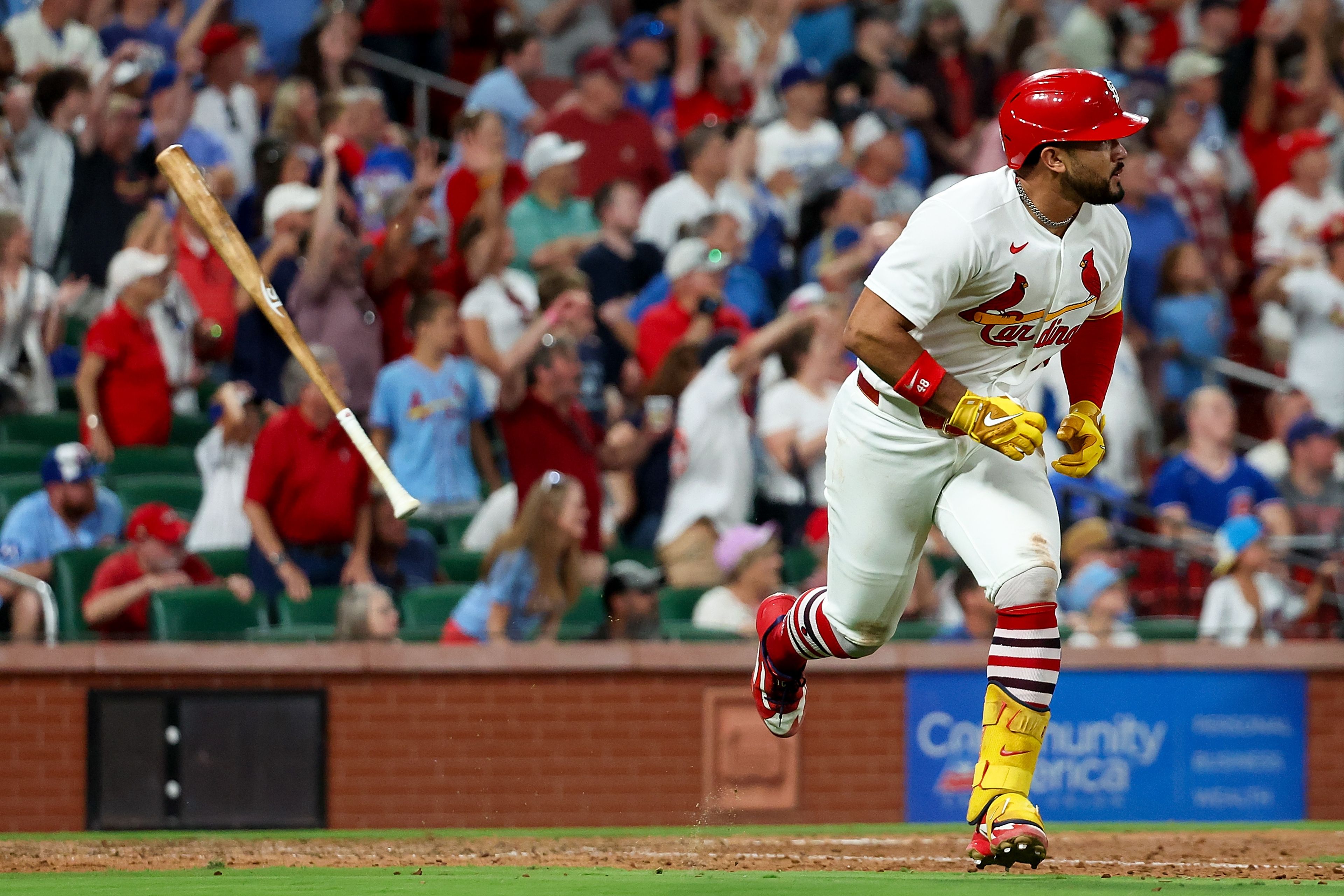
For Cardinals catcher Ivan Herrera, that reality became particularly clear this week.
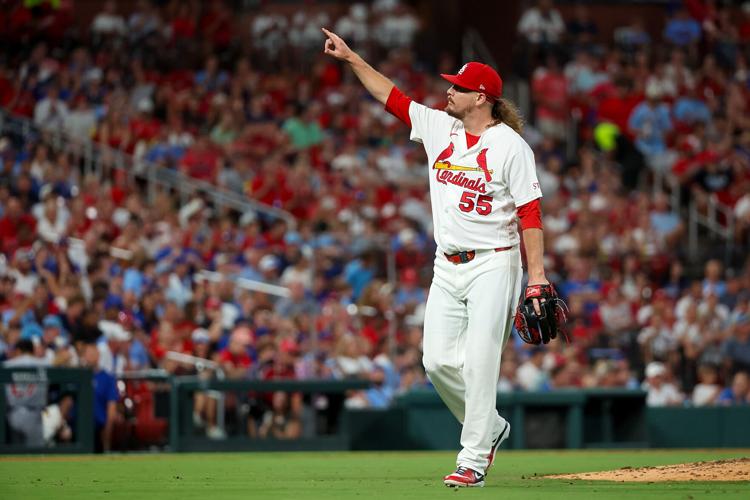
Herrera, one of St. Louis’ emerging young players and an All-Star this season, publicly acknowledged the possibility that veteran pitcher Dustin May could soon be leaving the organization. His comments came after the Cardinals appeared to take steps that strongly suggested May’s time in St. Louis could be nearing its conclusion.
Ivan Herrera Sends Message to Dustin May
May’s recent start quickly became one of the biggest clues regarding the Cardinals’ deadline plans.
Rather than allowing the right-hander to work deep into the game regardless of the circumstances, St. Louis entered his outing with a predetermined plan to monitor his workload. The Cardinals reportedly wanted to remove May during the middle innings even if he was pitching effectively.
That plan became increasingly apparent as the game progressed.
May performed well enough to earn another inning, ultimately making it through five frames. However, the decision to carefully manage his workload appeared to be connected to the possibility that he would soon be traded.

Afterward, Herrera openly acknowledged that May could be on his way out of St. Louis.
“He’s an amazing teammate, we love him over here and we are going to wish him the best if he gets traded,” Herrera said, according to the St. Louis Post-Dispatch’s Amber Winkler.
It was a simple message, but it carried plenty of meaning.
Players rarely know exactly when a trade is coming, and the uncertainty can become especially noticeable when a veteran is being discussed around the league. Herrera’s comments suggested that the Cardinals’ players are already aware of the possibility that May could be playing for another team very soon.
The catcher also made it clear that May has earned considerable respect inside the clubhouse.
That could make his potential departure particularly difficult for the Cardinals, even if trading him makes sense from a baseball perspective.
Cardinals Appeared to Manage May With Trade in Mind
The circumstances surrounding May’s start provided another indication that St. Louis is preparing for a transaction.

According to Winkler, the Cardinals entered the game intending to control May’s workload ahead of a potential trade. The plan was to remove him during the middle innings, regardless of how successful his outing was.
His effectiveness allowed him to remain in the game through the fifth inning, giving him the opportunity to finish his appearance on a positive note.
Winkler described it as potentially the final outing of May’s Cardinals career.
That is significant because a strong performance immediately before the trade deadline can only help a player who is being evaluated by interested teams.
For St. Louis, the situation represents a delicate balancing act.

The Cardinals want May to demonstrate that he can help a contender down the stretch, but they also have to protect the player they may soon be trading. Giving him unnecessary innings or pushing his pitch count too high would create additional risk.
At the same time, removing him too early could limit his ability to demonstrate his value.
The Cardinals seemingly found a middle ground.
May pitched effectively, reached the fifth inning and exited before his workload became excessive. St. Louis also won the game, which made the decision much easier to justify.
Had the Cardinals lost after taking May out, the situation could have generated a much different reaction.
That is one of the complications facing teams that are simultaneously trying to compete and rebuild.
Why Dustin May Makes Sense as a Trade Candidate
From the Cardinals’ perspective, May has long appeared to be one of the more logical players to move before the deadline.
The right-hander signed with St. Louis during the offseason on a one-year contract worth $12.5 million guaranteed. The agreement included a $12 million salary and a $500,000 buyout attached to a mutual option.
When the Cardinals made the deal, the expectation was that May could provide meaningful innings while potentially rebuilding his value.
That is exactly the type of player a team can target on a short-term deal when it is uncertain whether it will be a legitimate postseason contender.
If the veteran performs well, the club can either keep him as part of its rotation or use his production to attract interest from teams searching for pitching at the deadline.
MLB Trade Rumors’ Darragh McDonald previously identified May as a straightforward trade candidate.
“May should be a straightforward candidate to be moved,” McDonald wrote.
The logic behind that assessment is easy to understand.
A starting pitcher with experience, a short-term contract and the potential to help a contender is an attractive asset during the trade deadline. Teams fighting for postseason spots often need additional rotation depth, particularly because injuries can quickly expose weaknesses in a pitching staff.
May could therefore become an appealing option for clubs looking to strengthen their rotation without taking on a massive long-term financial commitment.
For St. Louis, meanwhile, the potential return could be more valuable than keeping him for the remainder of a season in which the Cardinals remain uncertain about their postseason position.
Cardinals Could Turn Veteran Production Into Future Assets
The Cardinals’ broader organizational strategy makes May’s situation even more interesting.
St. Louis has increasingly emphasized young players and future development. That means veteran players on expiring or short-term contracts can become valuable trade chips.
The objective is not necessarily to dismantle the roster.
Instead, the Cardinals can selectively move players whose value is highest around the deadline while keeping the young core intact.
May fits that model.
If another team believes he can help stabilize its rotation during the second half of the season and postseason, St. Louis could potentially receive prospects or younger players in return.
Those assets could eventually become part of the Cardinals’ next competitive roster.
That is the difficult reality of being a team caught between competing and rebuilding.
A player can be important to the current clubhouse while still being a logical trade candidate for the front office.
May’s teammates may appreciate everything he has contributed this season, but the organization has to consider the long-term value of keeping him versus converting his performance into future assets.
A Difficult Moment for the Cardinals’ Clubhouse
The emotional side of the deadline should not be overlooked.
Trade rumors are often discussed from the perspective of executives, prospects, statistics and contracts. Inside a clubhouse, however, the situation is much more personal.
Players develop friendships during a season. They travel together, share long road trips, celebrate wins and deal with difficult losses together.
When a teammate is traded, all of that changes instantly.
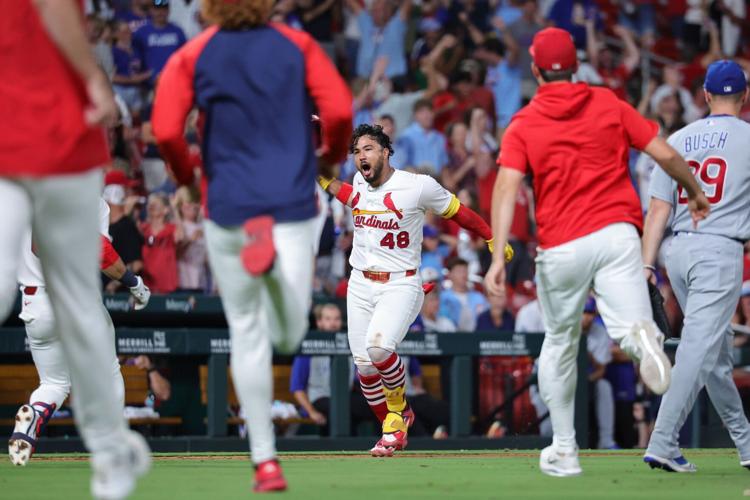
Herrera’s comments about May offered a glimpse into that side of the deadline.
The young catcher did not simply acknowledge that May might be traded. He made a point of praising the pitcher as a teammate and expressing his appreciation for him.
That suggests May has made a strong impression on the Cardinals’ clubhouse despite spending only one season with the organization.
It also shows that players can understand the business side of baseball while still being disappointed by the personal consequences.
For Herrera and the rest of the Cardinals, the potential departure of May could be one of several difficult moments during the deadline period.
May Could Be Playing His Final Games in St. Louis
With the trade deadline rapidly approaching, the Cardinals appear increasingly likely to move May if the right offer arrives.
The handling of his recent start only strengthened that perception.
Managing his innings, allowing him to showcase his effectiveness and then pulling him before his workload became excessive all fit with the actions of a team that understands it could soon be transferring the player to another organization.
Nothing is official until a trade is completed, however.

May remains a member of the Cardinals unless and until the front office reaches an agreement with another team.
Still, Herrera’s public farewell made it clear that the possibility is very real.
The catcher essentially acknowledged what many observers around the league already suspected: May could soon be headed elsewhere.
If that happens, the right-hander’s final outing for St. Louis may already be in the books.
And if it was, he at least went out on a strong note.
May provided the Cardinals with the kind of performance they were hoping to get when they signed him during the offseason. Now, that investment could potentially pay off one final time if St. Louis is able to turn his production into a useful return at the trade deadline.
For May, the next chapter could come with a contender looking for reliable pitching.
For the Cardinals, the focus will shift toward whatever prospects or young talent they can acquire in return.
And for Herrera and his teammates, there is the reality that a player they have come to respect could soon be walking into a different clubhouse.
Baseball is ultimately a business, and trades are an unavoidable part of the sport. But Herrera’s message showed that even when everyone understands the business decision, saying goodbye is still difficult.
The Cardinals appear to be preparing for that goodbye.
Now, it may only be a matter of time before Dustin May officially becomes a former Cardinal.
READ MORE