The Seattle Mariners made the right decision when they refused to chase Jorge Polanco all the way to a $40 million commitment. That conclusion should not be difficult to reach. Seattle declined to give Polanco a qualifying offer, then reopened negotiations when the veteran became available. The Mariners were even willing to match the New York Mets on the length of the contract. What they would not do was match the money.
Looking back now, that hesitation looks justified.
Polanco’s first season with the Mets has come to an abrupt and miserable end after only 37 games. The veteran infielder is set to undergo surgery on his left ankle after dealing with Achilles bursitis throughout much of the 2026 campaign. His production has been disastrous by virtually every measure, as he finished with a .148/.201/.230 slash line, just two home runs and six RBIs.

And then there is the part that makes the situation even more painful for New York: the Mets guaranteed him $40 million over two seasons.
For Seattle, this is the kind of contract that could have become an enormous problem.
Polanco had a very different story during his lone season with the Mariners. After declining his $6 million player option, he entered free agency following a 2025 campaign in which he looked like exactly the kind of offensive piece Seattle desperately needed. The Mariners wanted him back, and reports indicated that they remained involved in the bidding before the Mets ultimately pushed the market beyond Seattle’s comfort zone.
The Mariners could have matched.
They chose not to.
That was good business.
However, there is an uncomfortable second half to this story. Avoiding a bad contract does not automatically mean Seattle handled the entire situation correctly. The Mariners made the correct financial decision with Polanco, but they failed to adequately replace what he gave them.
And that is where the organization deserves much more criticism.
Polanco Gave Seattle Everything It Needed

It is easy to forget just how valuable Polanco was for the Mariners in 2025.
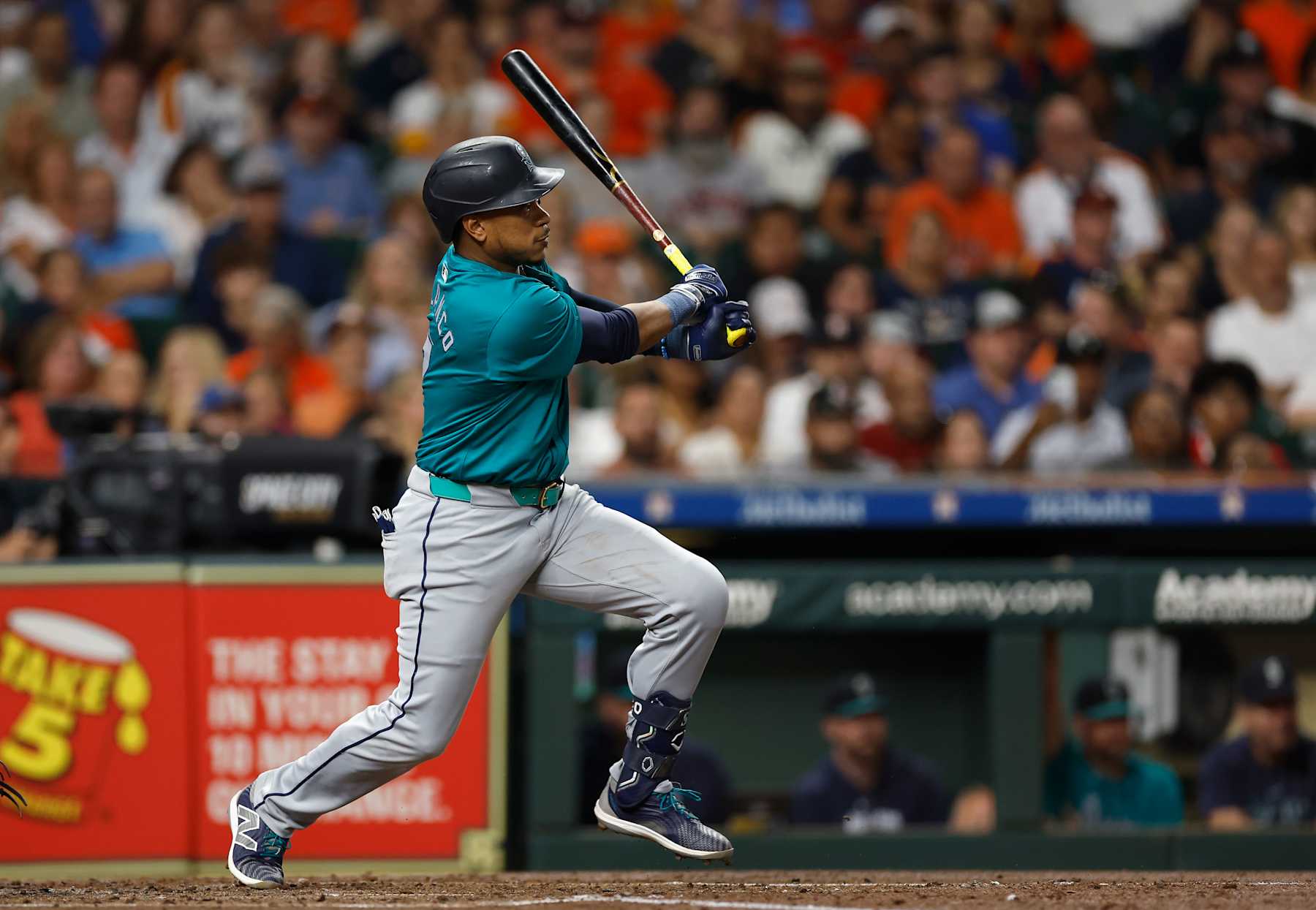
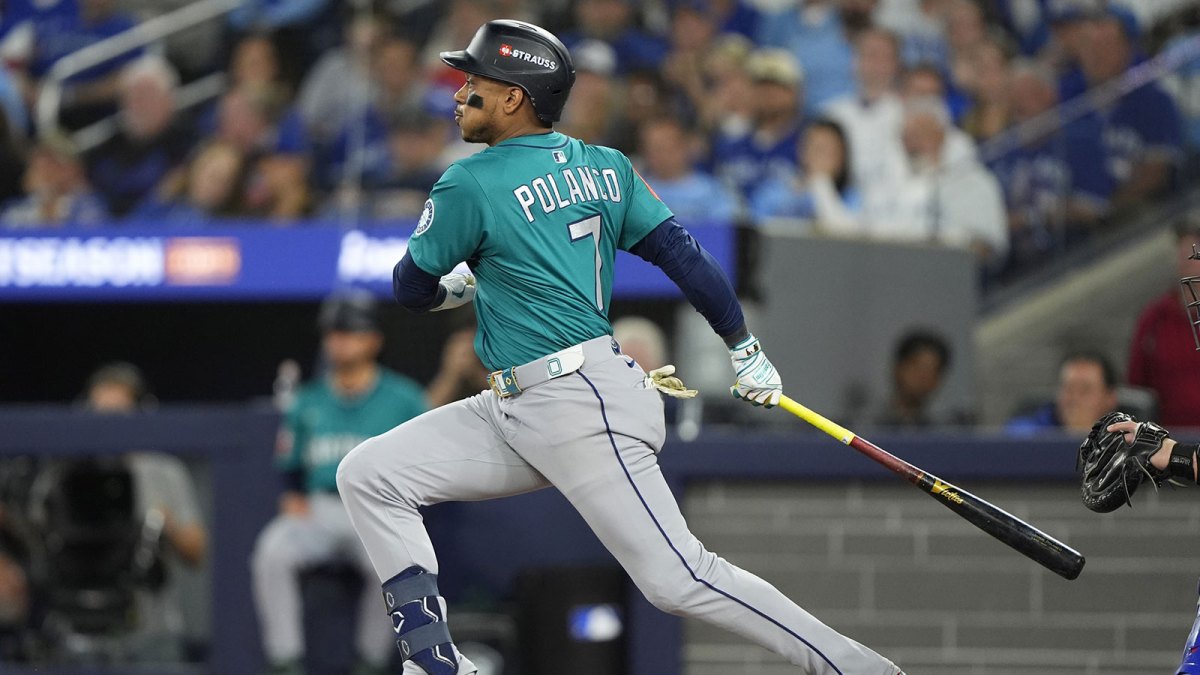
He was not simply another veteran filling out the lineup. He became one of the most important offensive contributors on a team that desperately needed production. Polanco hit .265/.326/.495, posted an .821 OPS, smashed 26 home runs and drove in 78 runs.
Those numbers represented exactly the type of offensive impact Seattle had been searching for.
For years, the Mariners have struggled to build a consistently dangerous offense. They have cycled through different approaches, different hitters and different theories about how to manufacture runs. Polanco briefly gave them something much simpler: a veteran switch-hitter who could hit for power and provide legitimate middle-of-the-order production.
Then came October.
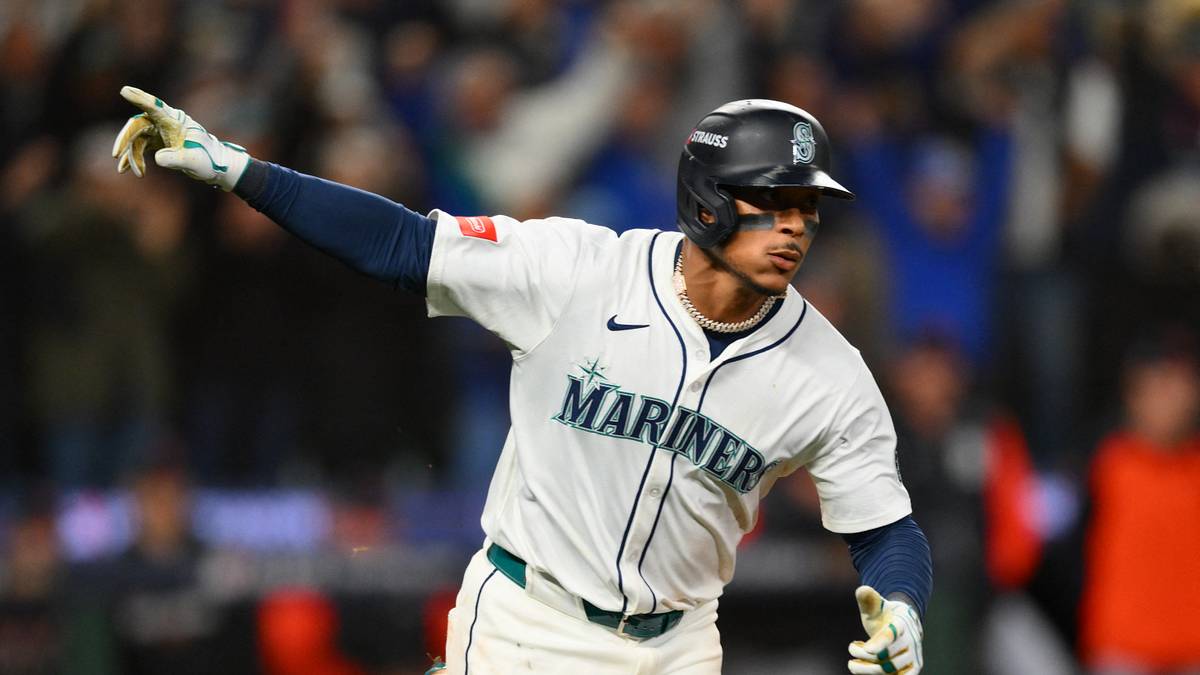
Polanco delivered one of the biggest moments in recent Mariners history when he ripped a 15th-inning walk-off single against Detroit, sending Seattle to its first American League Championship Series since 2001.
That moment alone cemented his place in Mariners history.
So when Seattle decided not to give him $40 million, the move was never going to be universally popular. Fans had every reason to want him back. He had produced. He had performed in the postseason. He had become a recognizable part of a team that finally looked capable of making a deep October run.

But baseball decisions cannot be made solely because a player was beloved or because he delivered one unforgettable postseason moment.
The Mariners had to look at the larger picture.
Polanco was an aging player with a significant history of lower-body problems. His medical concerns did not suddenly appear after he signed with New York. Seattle knew there were risks attached to bringing him back.
The Mets simply decided they were willing to pay more for those risks.
Seattle was not.
Considering what has happened in New York, it is difficult to argue that Seattle made the wrong financial choice.
The Mets Took the Risk Seattle Wouldn’t
There is a temptation to look at Polanco’s disastrous 2026 season and pretend the Mariners somehow knew exactly what was coming.
They did not.
Seattle tried to bring him back. That matters.

The organization clearly believed Polanco still had value. The difference was that Seattle apparently had a limit on how much risk it was willing to absorb. The Mets crossed that line.
That distinction is important.
The Mariners did not “win” because they predicted Polanco would hit .148. Nobody should pretend that was the calculation. They won because they recognized that committing $40 million to an older player with a complicated injury history carried substantial downside.
The Mets are now living with that downside.
Polanco has spent much of the season battling Achilles bursitis, and his campaign has ended with surgery. Meanwhile, his production has cratered. A player who was a major contributor for Seattle one year earlier has become one of the most expensive disappointments on New York’s roster.
For Seattle, that is a bullet dodged.
But here is where the Mariners’ story becomes much less flattering.
They avoided the bad contract.
They did not adequately replace the player.
Seattle Still Had a Massive Problem to Solve
When Polanco left, Seattle knew exactly what it was losing.
This was not some inconsequential bench player.
The Mariners were losing a switch-hitter who had hit 26 home runs and driven in 78 runs in the middle of a division-winning lineup. They were losing veteran experience, postseason credibility and one of their most productive offensive bats.
The replacement plan needed to reflect that.
Instead, Seattle appeared to assemble several smaller pieces and hope they could collectively fill the enormous hole Polanco left behind.
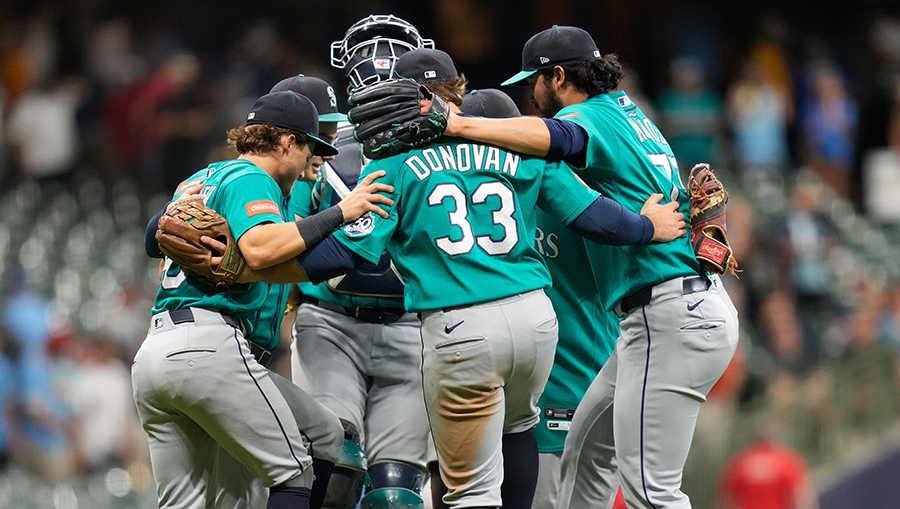
Brendan Donovan was brought into the picture. Rob Refsnyder provided another option. Young infielders such as Cole Young and Colt Emerson were expected to contribute as well.
There is nothing inherently wrong with any of those moves.
Donovan is a legitimate major-league player. His ability to make contact and play multiple positions makes him useful on virtually any roster. He can help a team in several different ways and brings a level of versatility that managers love.
But Donovan was never a direct replacement for Polanco’s power.
That distinction matters.
You cannot lose a player who hit 26 home runs and simply assume that versatility will erase the missing production.
Refsnyder was another complementary piece, but he was never going to carry the middle of the lineup. His role was always more limited, and he is no longer on the roster.
Then there were the young players.
Young has emerged as one of the brighter developments for Seattle, but asking a young player to develop while simultaneously expecting him to compensate for the loss of an established veteran is a dangerous proposition.
Emerson, meanwhile, is now on the injured list.
Suddenly, what looked like a collection of reasonable moves began to look like something else entirely.
The Mariners had assembled several partial solutions and treated them as though they formed one complete answer.
They didn’t.
And Now Seattle Is Paying the Price
The consequences are visible in the standings.
Seattle is now 59-67 after being humiliated by the Milwaukee Brewers in a stunning 22-0 loss, the worst defeat in franchise history.
That score is not simply another loss.
It is the kind of result that forces an organization to confront everything that has gone wrong.
The Mariners entered 2026 expecting to compete. They had just come off a season in which they won their division and reached the ALCS. Expectations were understandably high.
Instead, the offense has once again become a major problem.
And that makes the Polanco situation particularly frustrating.
Seattle can correctly say that giving him $40 million would have been irresponsible.
But it cannot use that decision as an excuse for failing to find another legitimate source of offensive production.
That is the difference between winning one roster decision and building a championship roster.
The Mariners won the first battle.
They lost the second.
Both Things Can Be True
There is no reason for Mariners fans to regret seeing Polanco leave for New York.
In fact, the 2026 season has provided perhaps the strongest evidence yet that Seattle’s hesitation was justified.
Polanco is dealing with a serious injury. His season is over. His offensive numbers have collapsed. And the Mets are now responsible for a $40 million commitment attached to a player who has appeared in only 37 games.
Seattle does not have that problem.
But the Mariners still have their own problem.
They needed to replace his production.
They didn’t.
That is the part that cannot be ignored.
It is possible to appreciate what Polanco accomplished in Seattle while acknowledging that bringing him back on a massive contract would have been dangerous. It is also possible to praise Seattle for refusing to overpay while criticizing the organization for failing to invest those resources into another meaningful offensive upgrade.
Those positions are not contradictory.
They are both true.
Polanco deserved the opportunity to cash in after his outstanding 2025 season. The Mets were willing to give him that opportunity. Seattle was not willing to match the price, and given what has happened since, that decision looks increasingly defensible.
But Seattle cannot celebrate avoiding one bad contract while ignoring the roster hole it left behind.
The objective was never simply to avoid overpaying Jorge Polanco.
The objective was to build a team capable of returning to October and going even further than it did in 2025.
That is where the Mariners have fallen short.
The Bigger Failure Was Not Losing Polanco
Ultimately, the biggest mistake was not allowing Jorge Polanco to walk.
It was failing to replace what Jorge Polanco represented.
The Mariners had an opportunity to take the money they refused to give Polanco and redirect it toward another impact bat. They could have strengthened the lineup in a different way. They could have added more proven depth. They could have created enough offensive insurance to protect their young players from having to develop under enormous pressure.
Instead, the roster entered the season without an obvious answer to one very obvious question:
Who replaces Polanco’s production?
Nearly five months later, Seattle still does not have a convincing answer.
That is why the Polanco debate should not end with, “Good thing they didn’t give him $40 million.”
Yes, good thing.
But then what?
That is the question Mariners fans should be asking.

Seattle made a sensible decision by drawing a financial line with Polanco. The Mets crossed that line, and the early returns suggest they may regret it badly.
The Mariners should not regret refusing to match.
They should regret what happened after they refused.
Because baseball does not award standings points for money you didn’t waste. It does not reward a front office for successfully avoiding a bad contract. And it certainly does not care how much payroll flexibility a team has when nobody can consistently drive runners home.
Seattle may have won the Jorge Polanco contract battle.
But sitting at 59-67 after a historic 22-0 embarrassment, the larger war is going very badly.
The Mariners were right to let Jorge Polanco walk. They were wrong to think walking away was the end of the problem.
Payroll flexibility is valuable.
But payroll flexibility does not hit with runners in scoring position.
And right now, that is exactly what Seattle needs.
READ MORE