The New York Mets plummeted to a heartbreaking new nadir on Sunday afternoon, suffering a crushing sweep at the hands of the Chicago Cubs and stretching their nightmarish losing streak to 11 consecutive defeats. This latest catastrophe capped a disastrous six-game road trip where the Mets dropped every single contest, leaving them battered and bruised as they limp back to Queens. An off day on Monday offers a brief respite, but the real challenge awaits: opening a homestand at Citi Field against eager opponents, with fans already simmering in frustration.
What stings even more is how close New York came to salvaging some dignity in the series finale. Entering the ninth inning, the Mets clung to a precarious one-run advantage, their bullpen tasked with slamming the door. Closer Devin Williams, typically a lockdown artist, faltered under pressure, surrendering a clutch hit that allowed the Cubs to even the score in dramatic fashion. The game pushed into extras, tied at zero in the top of the 10th for the Mets, setting the stage for a tense bottom half.

Manager Carlos Mendoza turned to grizzled veteran Craig Kimbrel to navigate the tightrope and keep the game knotted. Kimbrel, with his wealth of experience from high-stakes World Series runs, seemed like the perfect choice. Yet, disaster struck almost immediately. The Cubs’ ghost runner, speedy outfielder Pete Crow-Armstrong, inherited on third base, took off on a wild pitch from Kimbrel, scampering to third base with alarming ease—now just 90 feet from paydirt with one out already in the books after Kimbrel fanned Dansby Swanson.
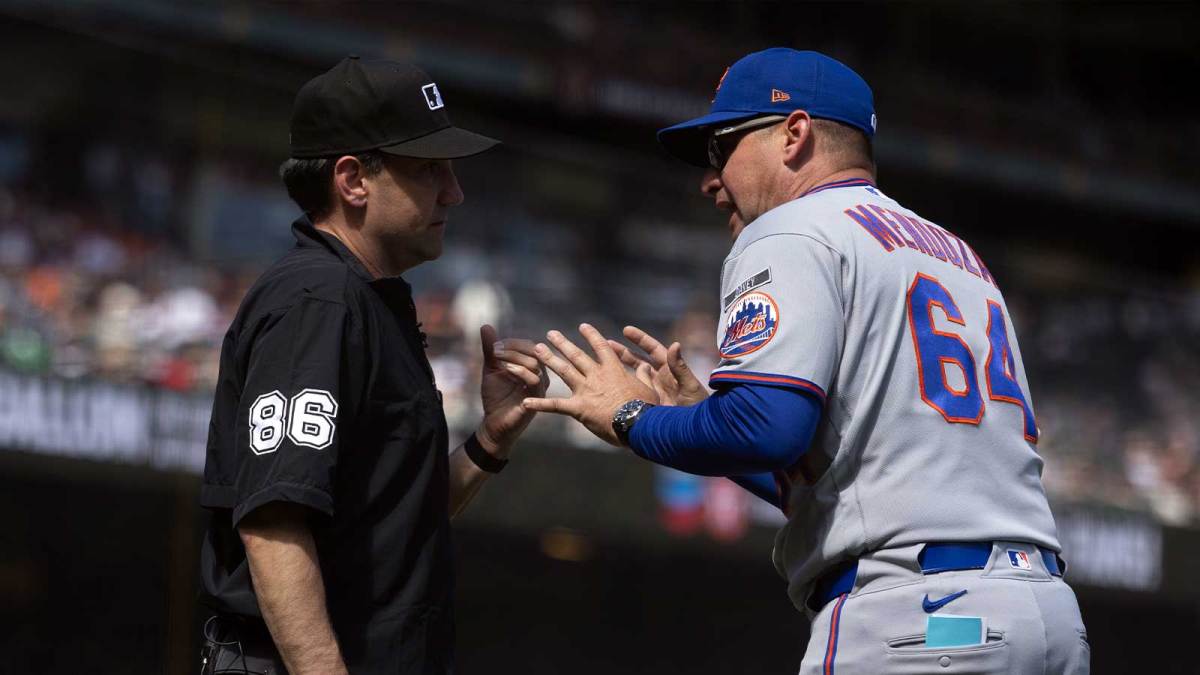
At this pivotal juncture, with the winning run dancing on third and second base unoccupied, Mendoza faced a classic baseball crossroads. The textbook move screamed intentional walk to second baseman Nico Hoerner, loading the bases and positioning the Mets for a potential inning-ending double play. Hoerner, after all, isn’t just any hitter; he’s a contact machine with a reputation for spraying line drives and avoiding whiffs. But Mendoza gambled, opting to challenge Hoerner directly. The Cubs’ infielder made him pay instantly, lofting a sacrifice fly deep enough to plate Crow-Armstrong for the walk-off victory. The Wrigley Field crowd erupted, while Mets Nation collectively groaned.
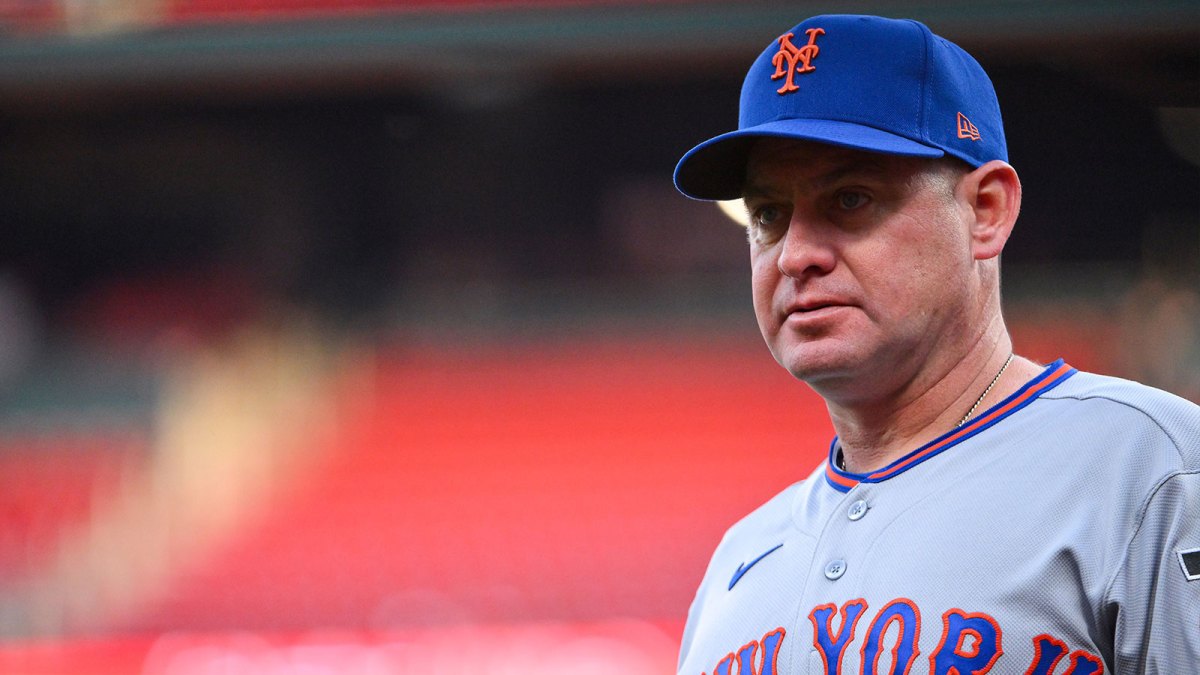
This managerial misstep ignited a firestorm of backlash, with fans unleashing a torrent of outrage across social media. The decision felt like a betrayal of basic strategy, especially against a hitter like Hoerner, who boasts one of the lowest strikeout rates in the league. One irate supporter tweeted: “Mendoza has never watched a baseball game in his life. I have no clue how he’s the manager. How do you pitch to the best contact hitter in the league with 2 bases open?🤣🤣🤣 how does this guy have a job???” The emoji-laden fury captured the sheer disbelief rippling through the fanbase.
Echoing that sentiment, another fan piled on: “Mendoza needs to be fired. How do you let Hoerner hit there with 1B open to setup the double play and get out of the inning? It’s pathetic how bad of a manager he is.” The call for Mendoza’s ouster gained traction quickly, amplified by the Mets’ broader woes. A third voice chimed in bluntly: “Mendoza has to go. Sorry but not walking the batter to setup a potential double is crap.” Not content to target just the skipper, some broadened the indictment: “Not walking Nico there is another reason Mendoza is a horrible manager. #FireStearns #FireMendoza,” referencing president of baseball operations David Stearns as well.
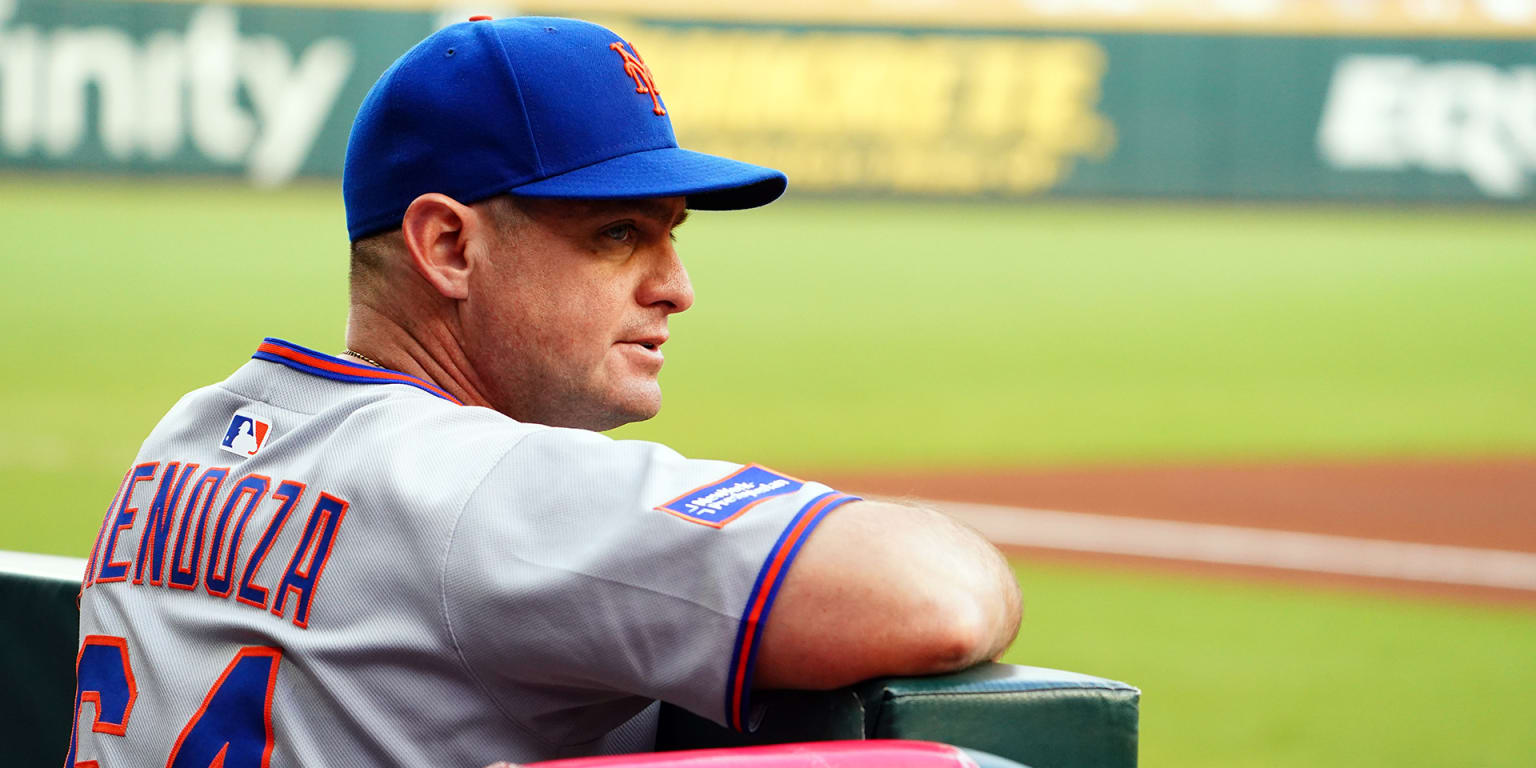
The chorus swelled with simpler, exasperated pleas like, “Why did you pitch to Nico!!!!!” These reactions weren’t isolated rants; they reflected a pent-up rage from a fanbase watching their high-priced roster unravel. In the wake of the loss, hashtags like #FireMendoza trended locally, underscoring how this single blunder symbolized deeper dysfunction.
Digging Deeper: Why the Hoerner Decision Stings So Much
Mets supporters aren’t overreacting—there’s legitimate statistical backing for their ire. Nico Hoerner entered the game with a contact profile that makes intentional walks a no-brainer in high-leverage spots. Last season, across 649 plate appearances, he struck out a mere 49 times, good for a microscopic 7.5% strikeout rate—one of the best in MLB. He’s the epitome of a “good contact” hitter: low chase rate, disciplined plate approach, and a knack for putting the ball in play. Pitching to him with first base open wasn’t just risky; it defied conventional wisdom.
Baseball analytics reinforce this. In similar situations—runner on third, less than two outs, open base—managers walk about 15-20% of the time against contact-heavy right-handers like Hoerner, per Statcast data from recent years. The double-play probability jumps significantly with bases loaded, turning a potential single-gamechanger into a routine out. Mendoza’s choice echoed past Mets blunders under previous regimes, fueling narratives of strategic incompetence.
Kimbrel’s wild pitch exacerbated the setup, but credit (or blame) shifts squarely to the dugout call. Williams’ earlier blown save set the table, yet the Mets had opportunities to escape. Crow-Armstrong’s speed on the wild pitch highlighted bullpen control issues, a recurring theme in New York’s 11-game skid. Since their last win two weeks ago, the Mets’ relief corps has posted a collective ERA north of 6.00, with command unraveling at the worst moments.
Broader Mets Misery: From High Hopes to League-Wide Laughingstock
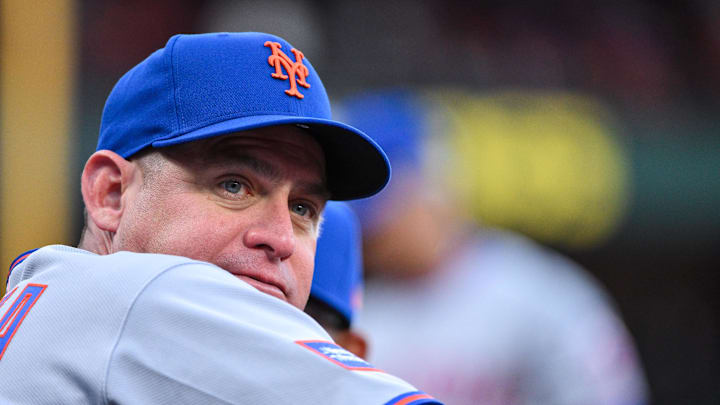
This sweep doesn’t exist in a vacuum. New York now shares the ignominious distinction of MLB’s worst record at 7-15, knotted with the Kansas City Royals after nearly a full month of play. That’s a brutal pace: just .318 winning percentage, projecting to around 52 victories over a 162-game slate. For a team that entered 2026 with the second-highest payroll in baseball—trailing only the Dodgers at over $300 million—the disconnect is glaring.
Expectations soared into the season. After a tantalizing second-half surge last year that fell just short of the playoffs, Steve Cohen’s checkbook fueled visions of October redemption. Star free-agent signings like Juan Soto (in this hypothetical blockbuster offseason) and bolstered pitching were meant to catapult the Mets back to contention. Instead, they’ve been outscored by 45 runs already, with offensive droughts and defensive lapses compounding the bullpen woes.
The road trip encapsulated the rot: losses to middling teams, squandered leads, and zero momentum. Citi Field awaits, but the homecoming figures to be frosty. Fans, spoiled by Cohen’s spending yet starved for results, have shown little patience. Attendance dipped during the early homestands, and boos rained down after recent outings. Returning Tuesday against the Minnesota Twins—a solid but beatable squad—offers a lifeline for that elusive first win in 12 days. Yet, with momentum in the gutter, even a fresh start feels fraught.
Fan Frustration Meets Harsh Reality
Mets diehards have a point beyond the Hoerner at-bat. The club’s roster boasts talent—Francisco Lindor patrolling shortstop, Pete Alonso mashing homers, and a rotation blending aces like Kodai Senga with promising arms. But execution falters: a .220 team batting average, sloppy fielding (league-worst 12 errors), and starters averaging under five innings per outing. Injuries haven’t helped, but excuses ring hollow for a payroll that could field two competitive teams.
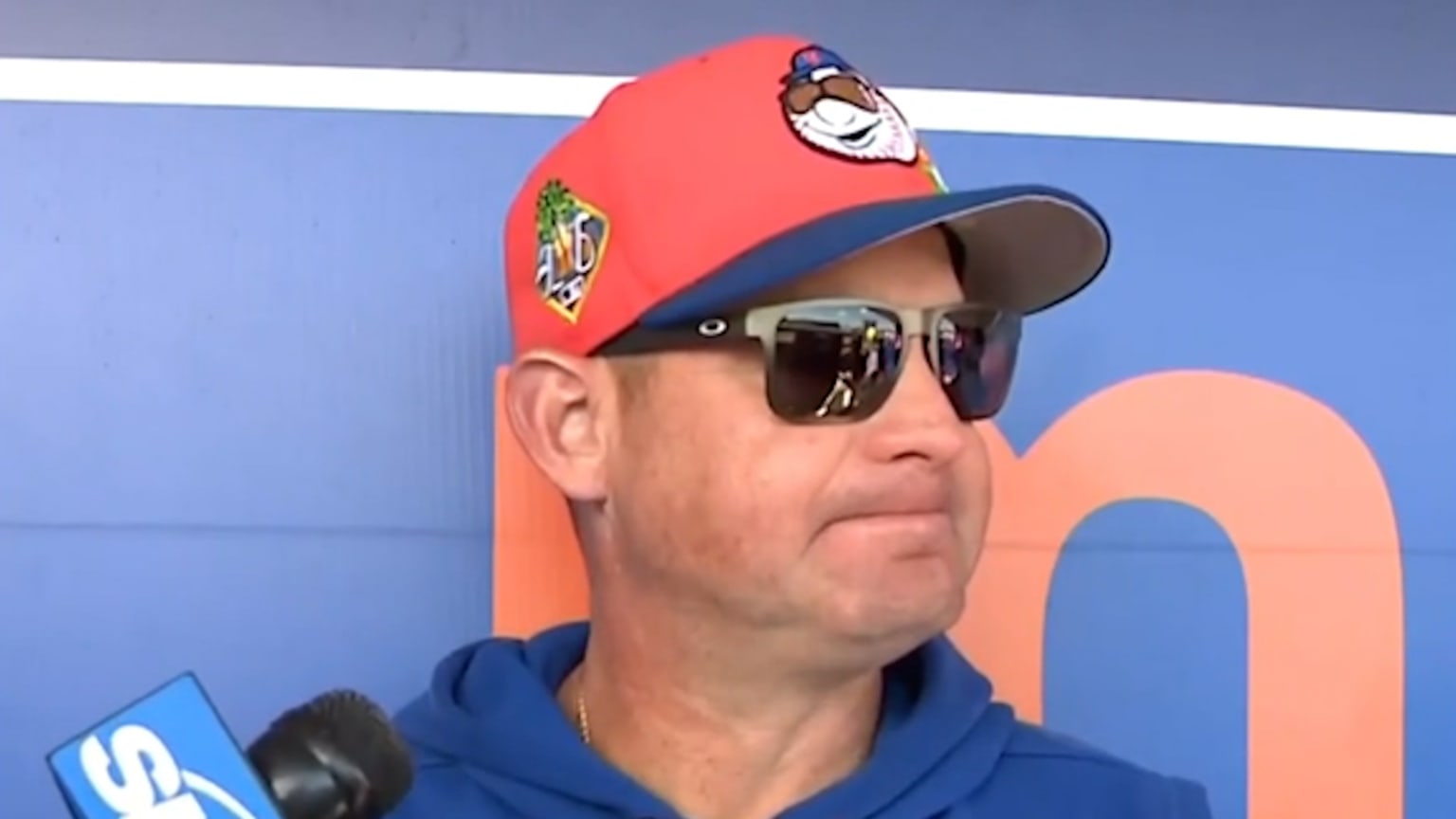
Mendoza, in his second year, faces mounting scrutiny. Hired for his player-development chops from the Marlins, he’s won plaudits for clubhouse rapport but drawn fire for in-game tactics. This Cubs loss joins a list: failing to pinch-hit aggressively, conservative bullpen usage, and now the infamous non-walk. Stearns, the architect of the rebuild, bears heat too—his trades and signings haven’t gelled amid the skid.
Comparatively, the Cubs thrive under theirs: Craig Counsell’s steady hand has Chicago at 13-9, punching above their weight. New York’s slide mirrors historical Mets lows, like the 1962 expansion debacle or 2009’s epic collapse. Breaking the streak demands urgency—perhaps lineup tweaks, a bullpen shakeup, or even a scapegoat firing.
Path Forward: Can the Mets Right the Ship?
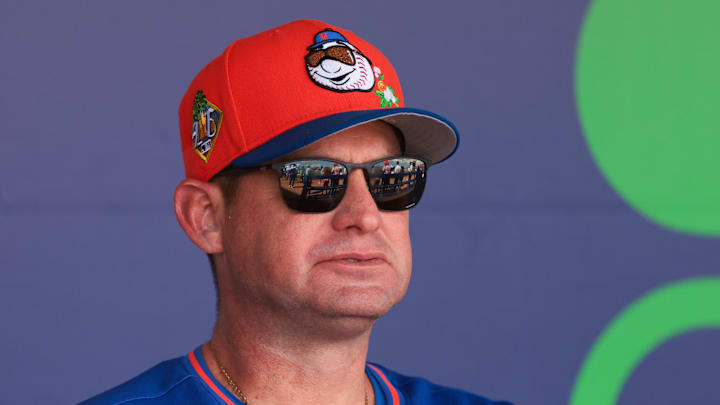
As the Mets unpack at Citi Field, redemption starts with the Twins series. Pitching matchups favor New York early: Senga versus Pablo López could spark a gem. Offensively, Alonso and Lindor must deliver; the lineup’s gone quiet, scoring two runs or fewer in eight of 11 losses. Mendoza might lean experimental—intentional walks aplenty, aggressive base-running—to quiet critics.
Fan support hinges on results. Cohen’s deep pockets allow midseason fixes—a trade deadline splash or waiver-wire magic—but early wounds fester. At 7-15, the wild card remains mathematically alive, but the NL East gauntlet (Braves, Phillies) looms large. History shows streaks snap: the 2023 Mets rebounded from slumps; 1986’s miracle run started rocky.
Yet pessimism reigns. Social media buzzes with “sell the team” memes, and pundits whisper rebuild. Tuesday’s opener is make-or-break—not just for a win, but morale. Fail, and the 11-game ghost grows to 12. Succeed, and whispers of hope replace the howls.
READ MORE