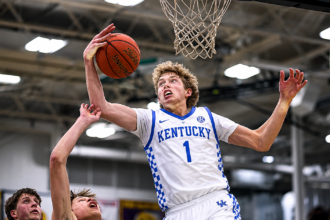
Missouri’s offseason rebuild reached an important milestone when Kennard Davis Jr. announced his commitment last Friday, ending a quiet two-week stretch in the Tigers’ transfer activity. Although the roster is still incomplete with two scholarships remaining, Davis’ arrival provides a useful moment to evaluate the work coach Dennis Gates and his staff have accomplished so far during the offseason.
By most national evaluations, Missouri has assembled one of the strongest incoming classes in the country. According to 247Sports rankings, the Tigers landed the No. 11 transfer portal class nationally, and when the high school signees are included, the overall recruiting haul ranks 10th in the country. On paper, this may be the deepest and most talented roster Missouri has built since entering the SEC.

The construction of the roster reveals a clear philosophy from Gates and his staff. Missouri wanted to become longer, tougher and more disruptive defensively. The Tigers spent much of last season searching for more consistency on that end of the floor, and the offseason additions indicate that defensive improvement became the top priority. However, while the roster now appears more athletic and physically imposing, those upgrades may come with compromises offensively, especially in the backcourt after the departures of Anthony Robinson II, T.O. Barrett, Jacob Crews and Jayden Stone.
The major question now is not simply who Missouri added, but how those pieces fit together and what unresolved concerns still exist heading into next season.
For Missouri, the formula for evolving from a competitive SEC team into a legitimate conference contender has always been relatively obvious: improve defensively. The Tigers often had enough offensive talent to compete, but inconsistency on defense limited their ceiling. This offseason, Gates targeted players capable of changing that identity.
Bryson Tiller brings versatility and switchability in the frontcourt. Kennard Davis Jr. adds toughness and resistance at the point of attack. Jamier Jones supplies athleticism, transition playmaking and defensive disruption. Jaylen Carey strengthens the rebounding effort and interior physicality.

Collectively, those additions suggest Missouri wants to return to a faster, more aggressive style built around pressure defense, forcing turnovers and creating transition opportunities. Gates’ best teams have thrived when opponents are uncomfortable, rushed and constantly dealing with ball pressure. The new roster appears designed specifically to recreate that environment.
Among the newcomers, Bryson Tiller may represent one of the most intriguing long-term pieces. Statistical evaluations of his rebounding numbers can initially appear underwhelming, especially on the defensive glass, but game film provides important context. A large percentage of the shots Tiller defended came in spot-up situations, frequently pulling him away from ideal rebounding position. Opposing offenses often stationed forwards in the weak-side corner, forcing Tiller into lengthy closeouts far from the basket.

Despite those difficult responsibilities, he generally handled the assignments well. Still, while the scheme explains part of the rebounding decline, greater consistency on the glass remains an area where he must improve.
Missouri’s frontcourt pairing of Tiller alongside five-star freshman Toni Bryant could become especially valuable defensively. Both players possess the mobility to hedge screens, recover quickly and survive short switches against guards. In modern basketball, where offenses relentlessly target smaller defenders in pick-and-roll actions, having mobile big men capable of protecting teammates becomes critical.
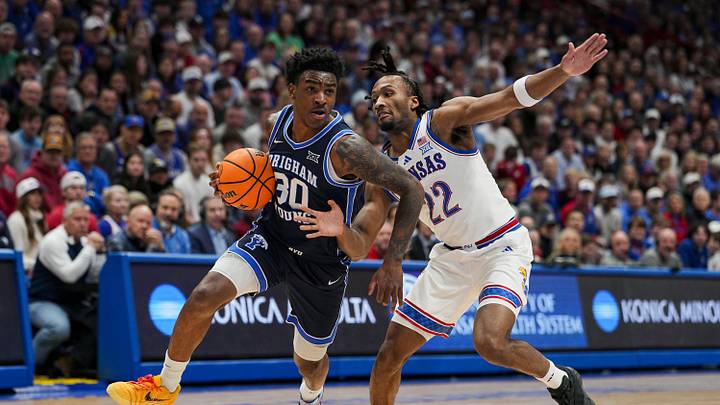
Tiller’s disappointing finish at Kansas undoubtedly influences perceptions surrounding his transfer. He struggled late in the season, including a benching against Houston and a scoreless performance against St. John’s. During that stretch, concerns about his confidence, physical play and overall consistency became increasingly noticeable — issues Kansas coach Bill Self frequently referenced.
What facilitating and shooting does Missouri possess?
The table shows projected minutes for current members of the 2025-26 roster, along with usage rate, assist rate, turnover rate and 3-point percentage for each player.
| Jason Crowe Jr. | 71.9 | 33.0 | 10.6 | 14.4 | 31.0 |
|---|---|---|---|---|---|
| Jamier Jones | 70.2 | 21.3 | 9.6 | 17.6 | 38.7 |
| Trent Pierce | 66.3 | 17.1 | 8.0 | 11.7 | 33.3 |
| Bryson Tiller | 60.7 | 18.9 | 7.0 | 21.6 | 26.9 |
| Jaylen Carey | 58.0 | 21.7 | 10.1 | 14.4 | 23.8 |
| Kennard Davis Jr. | 44.3 | 17.2 | 9.9 | 14.7 | 34.1 |
| Toni Bryant | 31.1 | NA | 7.7 | 9.2 | 31.3 |
| Aaron Rowe | 28.7 | 24.1 | 19.5 | 20.7 | 25.9 |
| Trent Burns | 23.4 | 15.6 | 2.9 | 20.7 | 7.7 |
| Aidan Chronister | 16.2 | NA | 15.1 | 16.5 | 36.4 |
| Nicholas Randall | 11.3 | 13.7 | 3.9 | 31.8 | 0.0 |
| Luke Northweather | 7.4 | 11.5 | 7.1 | 10.7 | 34.2 |
Those concerns are legitimate, but they do not erase Tiller’s considerable upside. Physically and athletically, he still possesses the skill set of a potential all-conference player. The challenge now shifts to Gates and Missouri’s coaching staff to maximize those abilities and help him regain confidence and consistency.
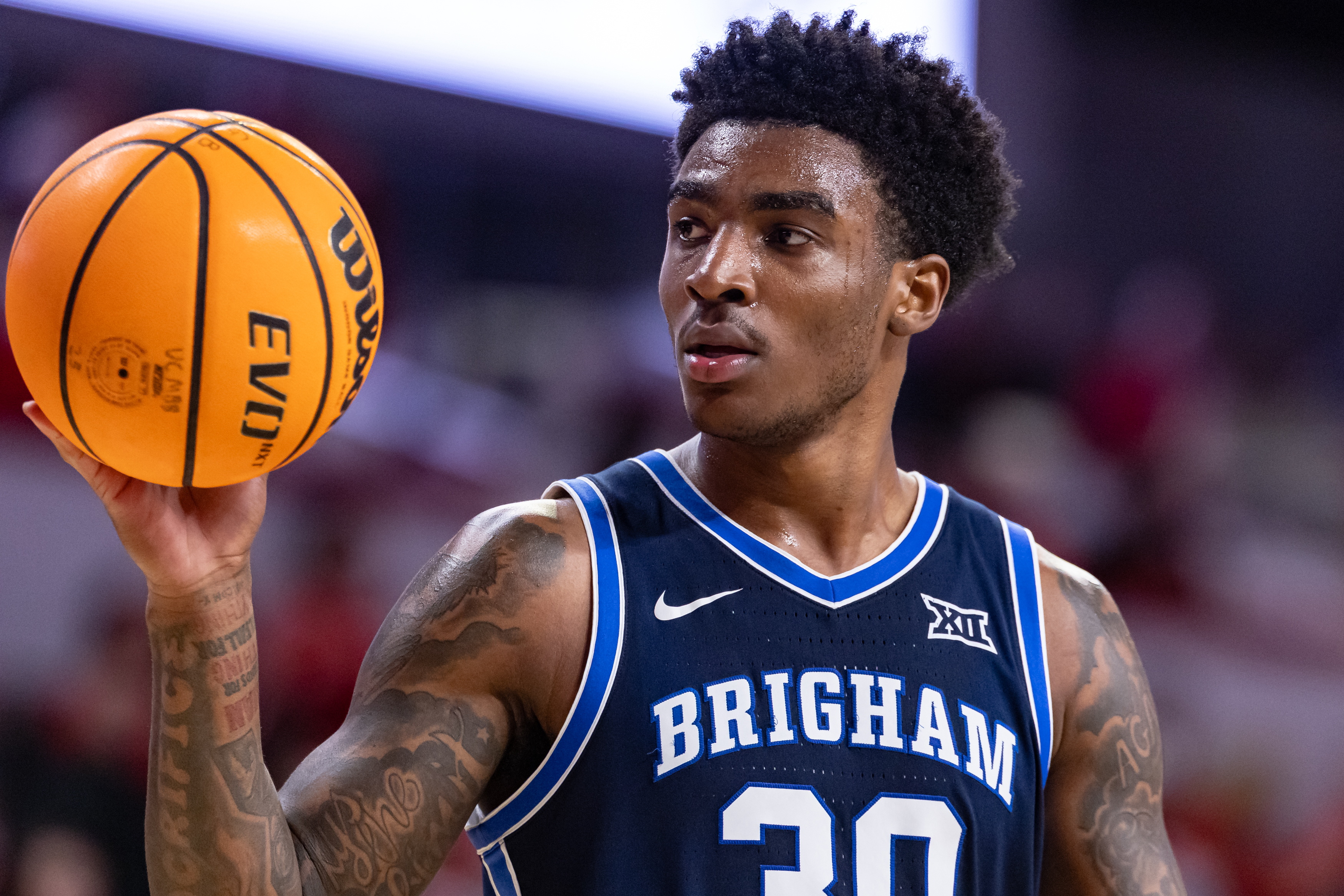
Jamier Jones provides another dimension that fits naturally into Gates’ preferred style of play. Once considered a top-40 national prospect, Jones offers transition scoring, downhill attacking and athletic energy — all traits commonly associated with Missouri’s most effective teams under Gates.
At Providence, Jones spent much of his freshman season thriving in transition offense. More than 41 percent of his offensive possessions occurred in the open floor, where his athleticism became especially dangerous. Frequently, he did not even need an outlet pass to initiate fast breaks himself.
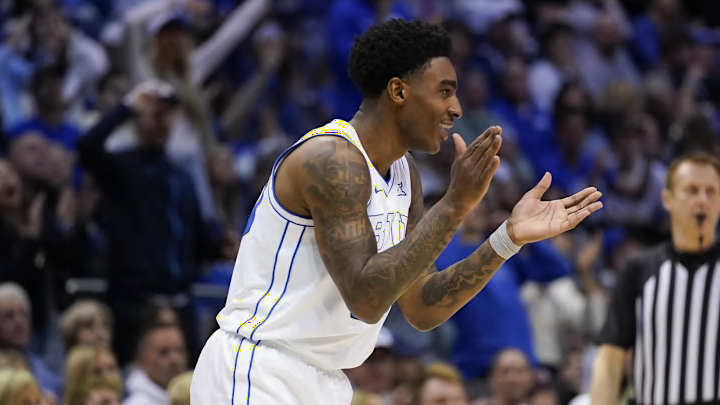
Jones often secured defensive rebounds and immediately pushed the ball up the floor, creating offense before defenses could establish themselves. In transition, he plays with impressive force and aggression. When defenders attempted to cut him off, he displayed enough ball-handling creativity to maneuver through traffic and continue attacking. Defensively, he also showed strong instincts by jumping passing lanes and capitalizing on lazy ball movement to generate easy scoring opportunities.
Missouri occasionally slowed the pace last season, forcing opponents into more half-court possessions. While that approach improved certain defensive aspects, it also limited transition scoring opportunities. Jones, however, appears capable of creating rim pressure even outside of fast-break situations.
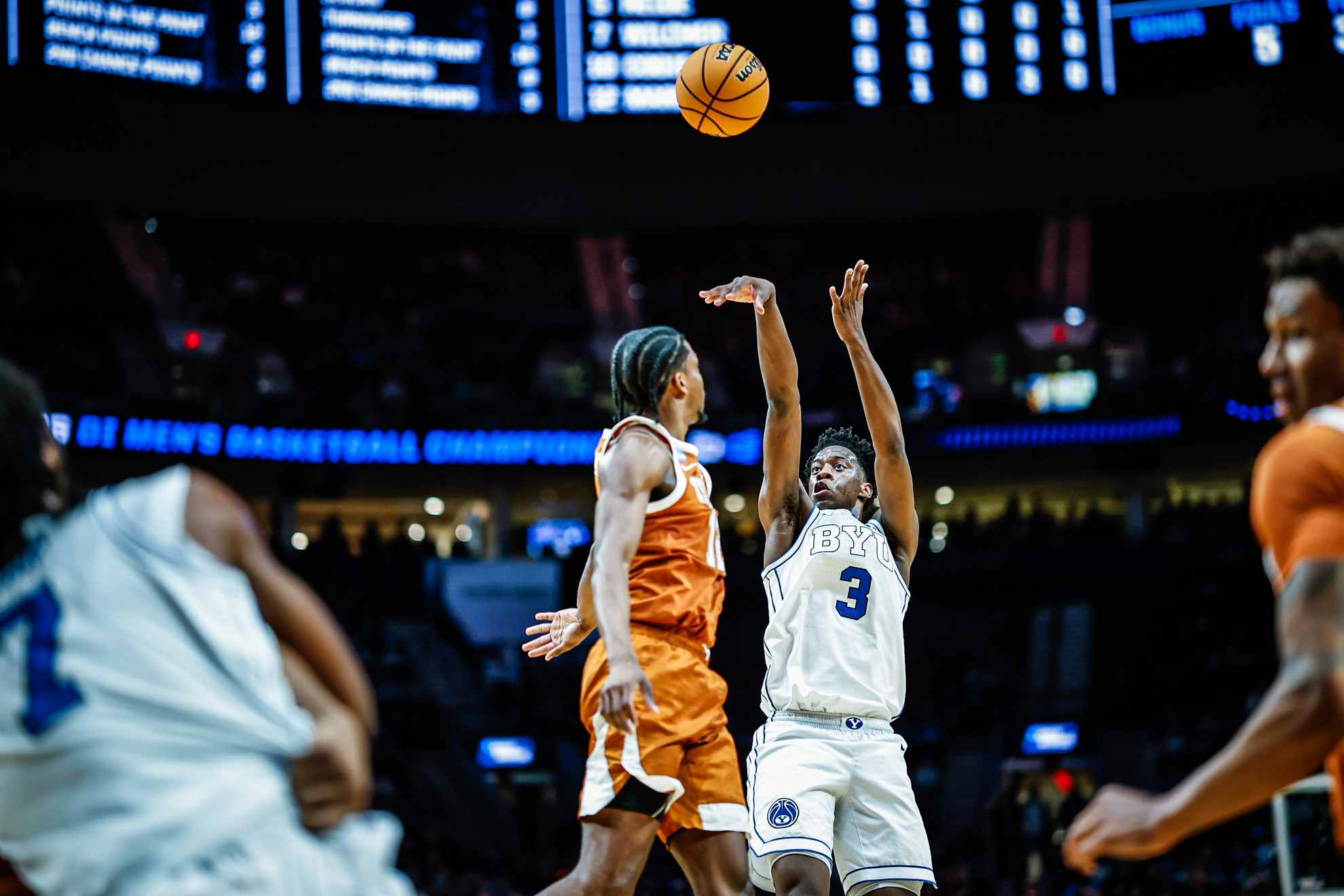
One of the most encouraging parts of his offensive profile is his ability to move effectively without the basketball. Last season, Jones ranked in the 90th percentile nationally in cutting efficiency. He consistently attacked from the weak-side corner the moment help defenders rotated away, often catching lob passes and finishing quickly at the rim.
That kind of off-ball movement creates pressure on defenses even when Jones is not handling the ball directly. His athletic cuts force defenders to remain alert, opening opportunities for teammates and simplifying reads for younger guards such as Jason Crowe Jr. and Aaron Rowe. Having a reliable cutter can significantly ease the burden on inexperienced playmakers.
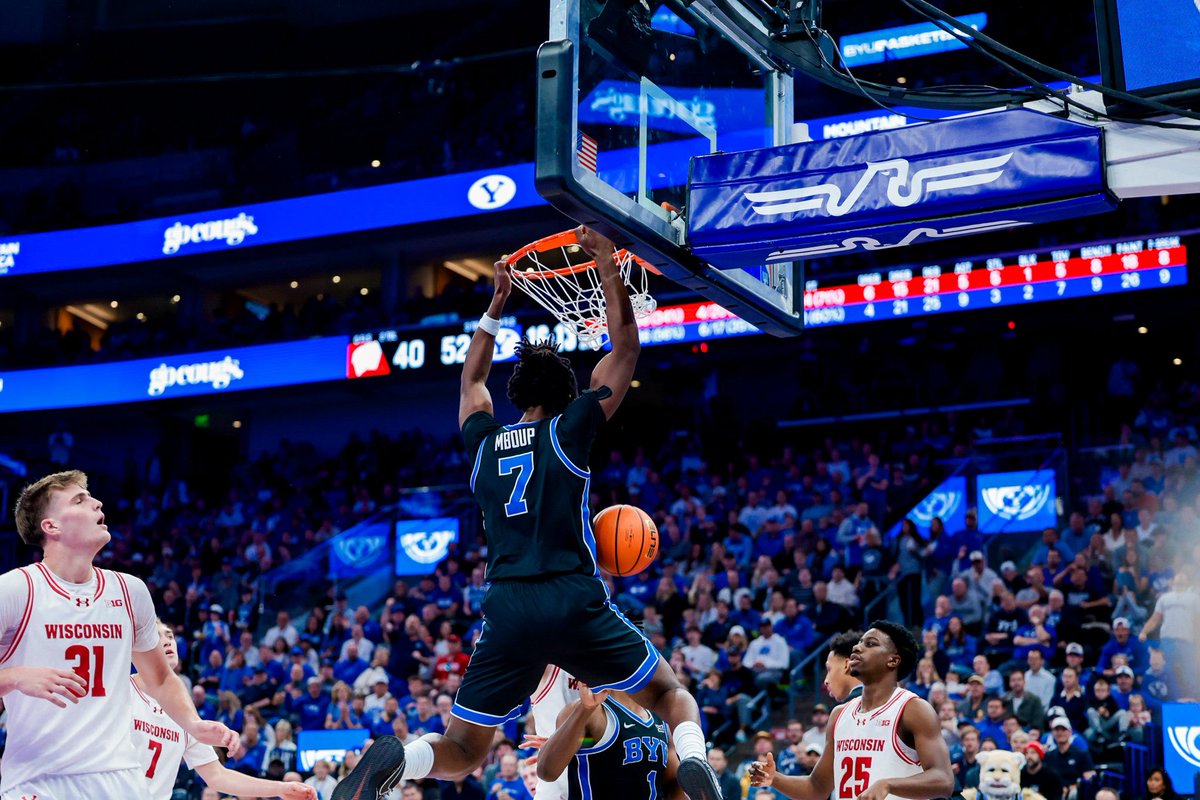
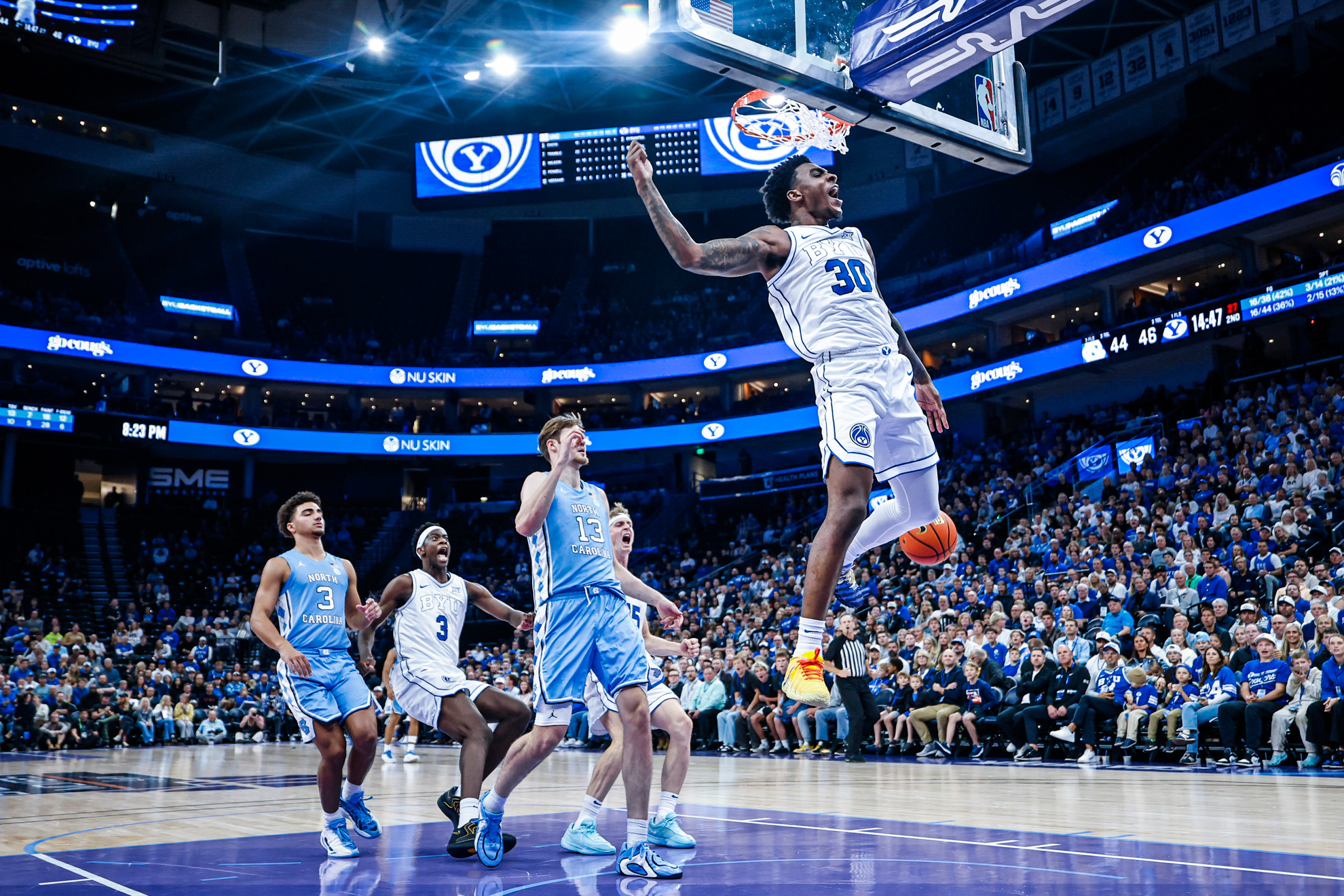
Kennard Davis Jr., meanwhile, may be one of the most important additions on the roster because of the defensive flexibility he provides. Much of the conversation following his commitment focused on whether he could realistically function as a larger primary creator offensively. However, that discussion sometimes overlooks another equally valuable role he can fill: stabilizing Missouri’s perimeter defense.
When players transfer from mid-major programs to power-conference basketball, defensive performance often declines due to the increase in athleticism and competition level. Davis, however, avoided that drop-off. During his time at BYU, he graded in the 60th percentile defending pick-and-roll situations, an improvement over his previous work at Southern Illinois. More importantly, he maintained that effectiveness against high-level Big 12 competition.
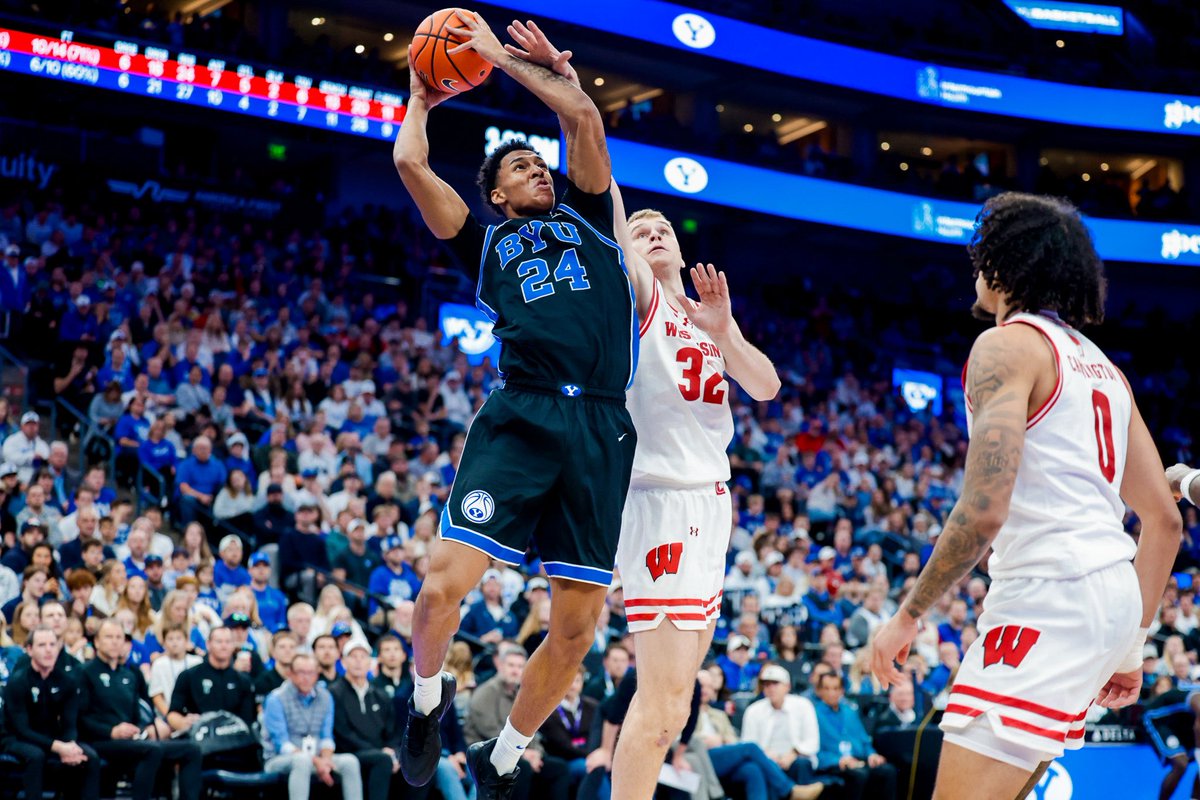
His role at BYU may also preview how Missouri intends to use him. Playing beside smaller guard Rob Wright III, Davis frequently defended difficult perimeter matchups against elite opponents, including Texas Tech’s Christian Anderson, Houston’s Kingston Flemings, Arizona’s Brayden Burries and Iowa State’s Tamin Lipsey.
That experience could prove extremely important for Missouri because both Jason Crowe Jr. and Aaron Rowe possess smaller frames. Gates may use Davis as a defensive shield, assigning him to the opponent’s best perimeter scorer while allowing the younger guards to avoid physically demanding matchups.

The numbers strongly support Davis’ defensive value. Across 75 possessions defending high pick-and-roll actions, he surrendered only 0.722 points per possession while opponents shot just 33 percent overall. Even more impressive, opposing guards made only 3 of 16 pull-up three-point attempts against him in those situations.
Film study reinforces those statistics. Despite his sturdy build, Davis moves efficiently through screens, recovers quickly and stays connected to ball handlers. He consistently forces difficult shots and discourages clean pull-up opportunities. His lateral agility also allows him to contest from behind and steer offensive players toward less efficient mid-range areas.
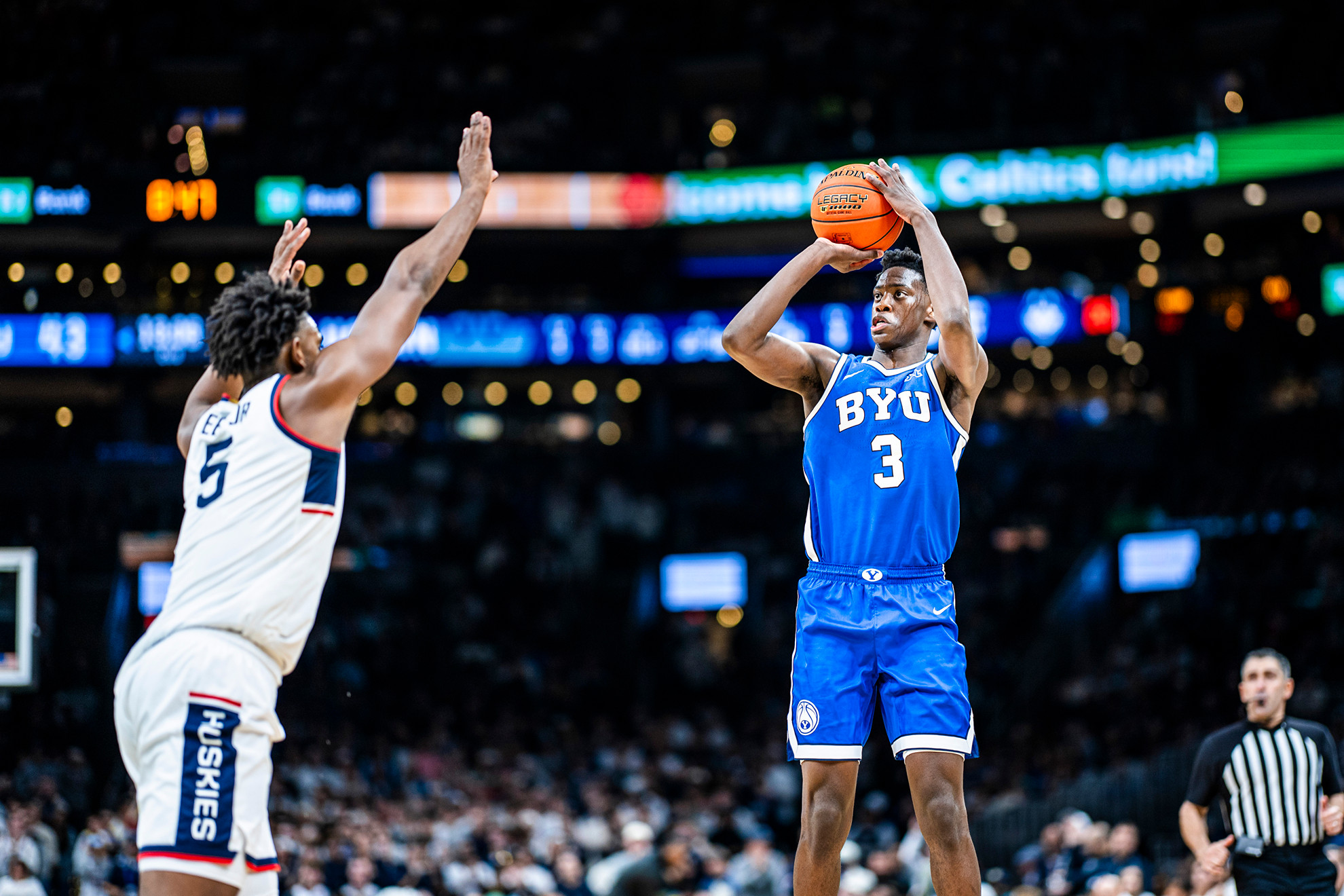
If Davis can maintain that level of defensive impact in the SEC, Missouri gains significantly more flexibility in its defensive coverages. Pairing him alongside mobile frontcourt defenders like Bryant or Tiller could allow Gates to increase ball pressure aggressively while still protecting smaller guards behind the play.
That defensive assertiveness largely disappeared after the departures of Robinson and Barrett. Missouri lacked perimeter resistance at times and struggled to consistently disrupt opposing offenses. Davis appears capable of helping restore that identity.
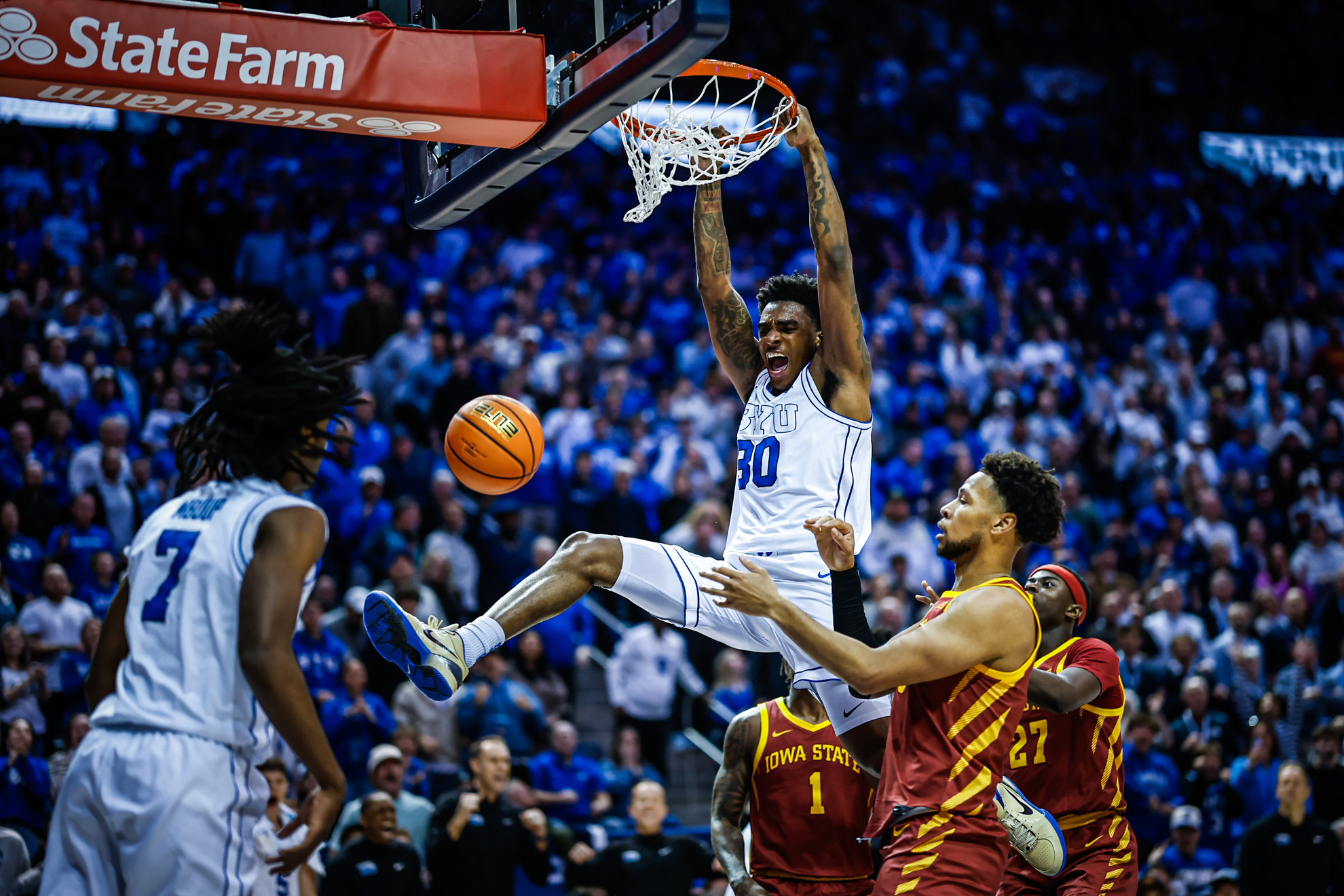
Overall, Missouri’s offseason strategy reflects a deliberate attempt to reshape the team into a tougher, more disruptive and more athletic group. The Tigers may not yet have every answer offensively, especially regarding shot creation and backcourt organization, but the roster construction clearly signals what Gates values most heading into next season.
The emphasis on defensive versatility, transition play and physicality suggests Missouri wants to dictate games through pressure and tempo rather than relying solely on half-court scoring. If players like Tiller, Jones and Davis develop as expected, the Tigers could field one of the SEC’s most aggressive defensive units.
Still, important questions remain. Can the offense maintain efficiency after losing several experienced contributors? Will the younger guards handle larger responsibilities successfully? Can Tiller rediscover consistency? And perhaps most importantly, can Gates mold these individual pieces into a cohesive identity quickly enough to compete at the top of the conference?
Those answers will ultimately determine whether Missouri’s highly ranked recruiting class translates into meaningful success on the court. For now, though, the Tigers appear to have taken a significant step toward building the type of roster capable of competing at a much higher level in the SEC.
READ MORE