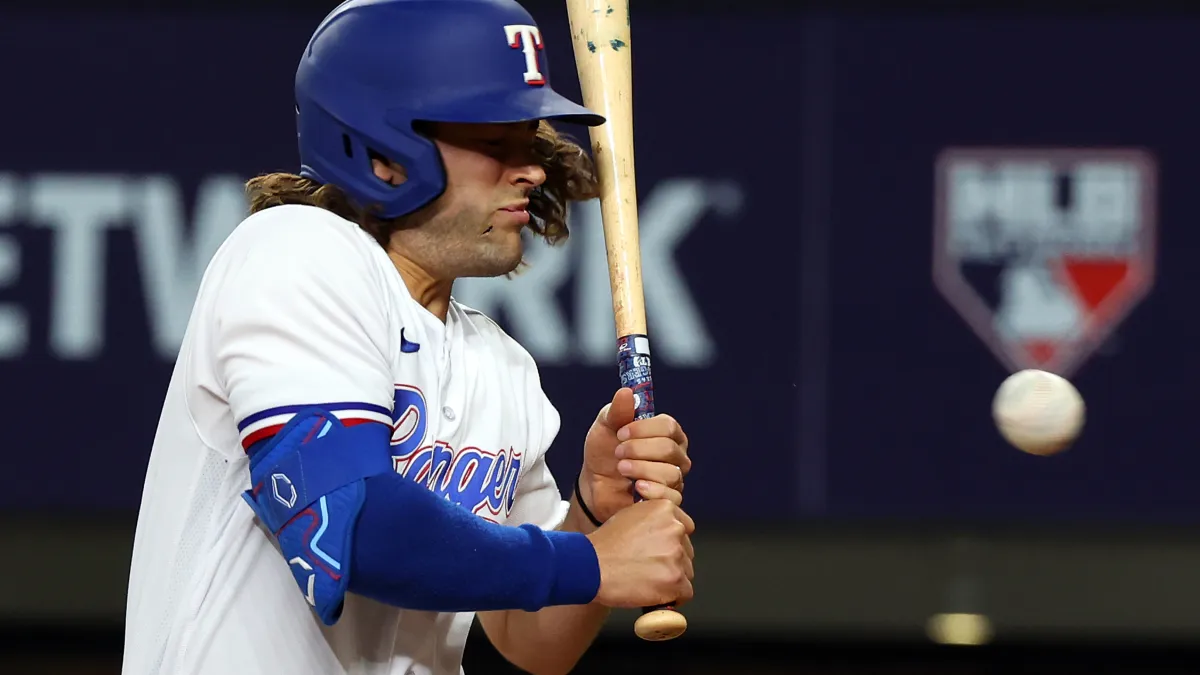
The Texas Rangers were dealt deeply troubling news on Friday, and it had nothing to do with wins, losses, or what was happening on the baseball diamond. Infielder Josh Smith, who has already endured a frustrating season filled with setbacks, has now been hospitalized after being diagnosed with viral meningitis — a serious illness that immediately shifted attention away from baseball and toward his overall health and recovery.
According to a report shared by Kennedi Landry on X, the Rangers announced that Smith is expected to remain hospitalized for approximately seven to ten days. During that period, he will receive medical treatment and continuous monitoring before he can even consider returning to baseball-related activities. The organization made it clear that his health is now the top priority, and any discussion about his return to the lineup is secondary.
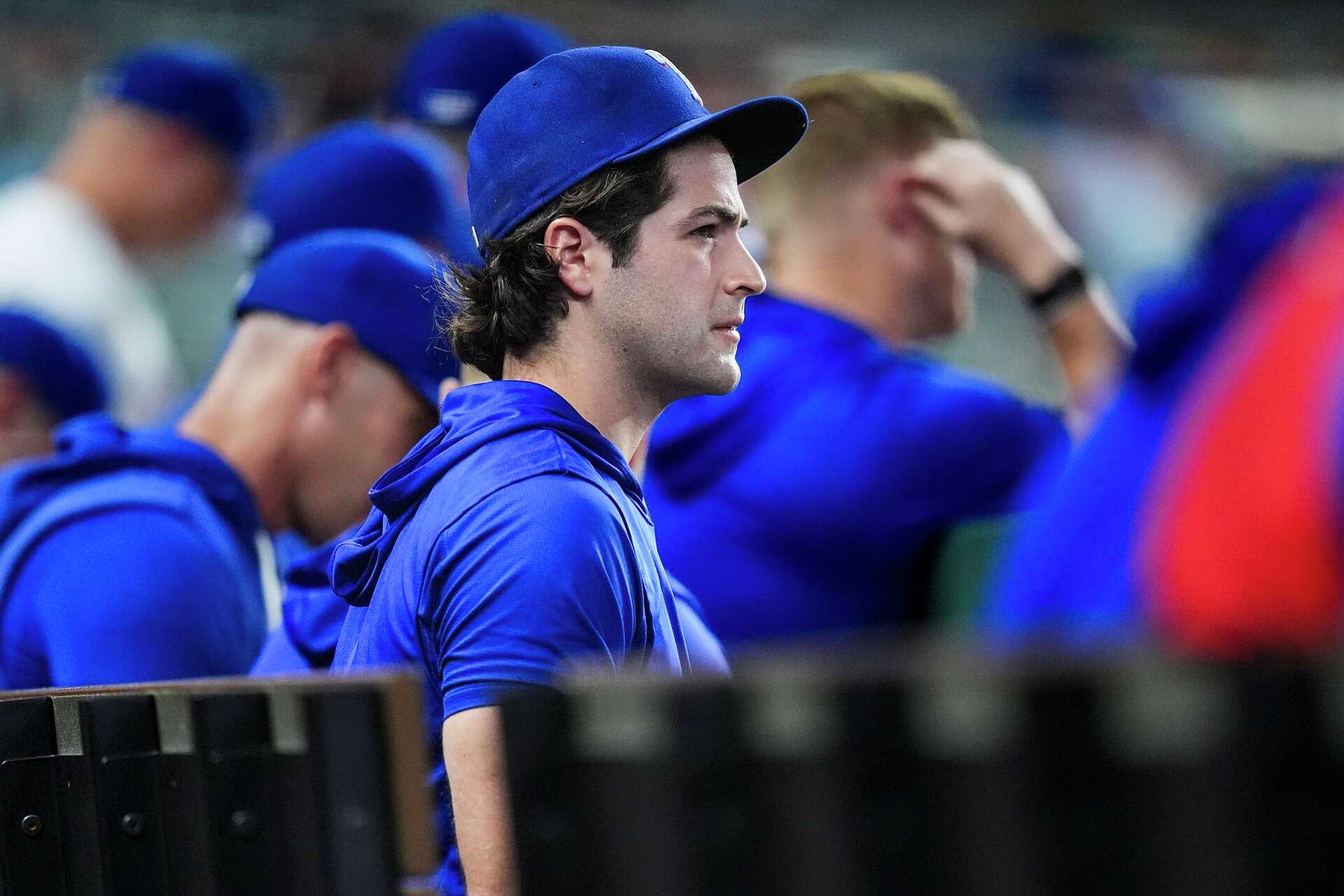
For Smith, the diagnosis represents another painful twist in what has already been an incredibly difficult year. Prior to the hospitalization, the 28-year-old had been sidelined with a right glute strain and placed on the 10-day injured list. He had already begun a rehabilitation program and was working toward getting back on the field when this unexpected medical issue arose.
Naturally, the focus has now completely shifted. Concerns about batting averages, defensive assignments, and roster decisions have faded into the background as teammates, coaches, and fans rally around Smith’s recovery. Viral meningitis is not a condition to take lightly, and although it is generally considered less dangerous than bacterial meningitis, it still requires immediate medical attention and careful observation.

Before these health issues emerged, Smith entered the 2026 season believing he had finally secured a permanent role in the Rangers’ lineup. Following the offseason trade that sent veteran second baseman Marcus Semien to the New York Mets, an opportunity opened up in the infield. For the first time in his career, Smith appeared to have a realistic chance to become the team’s everyday second baseman.
Manager Skip Schumaker publicly showed confidence in Smith and handed him the starting job. It was a significant opportunity for a player who had spent years proving his value through versatility, hustle, and consistency. Smith had earned respect within the organization for his work ethic and ability to contribute in multiple roles, and many believed this season could be his breakthrough as a full-time starter.

Unfortunately, things did not unfold the way Smith or the Rangers had hoped. Despite receiving regular playing time, his offensive production struggled badly throughout the early portion of the season. Across 98 plate appearances, Smith managed a disappointing slash line of .193/.306/.217 while collecting only two extra-base hits. Those numbers represented a dramatic drop from the player Rangers fans had seen just two seasons earlier.
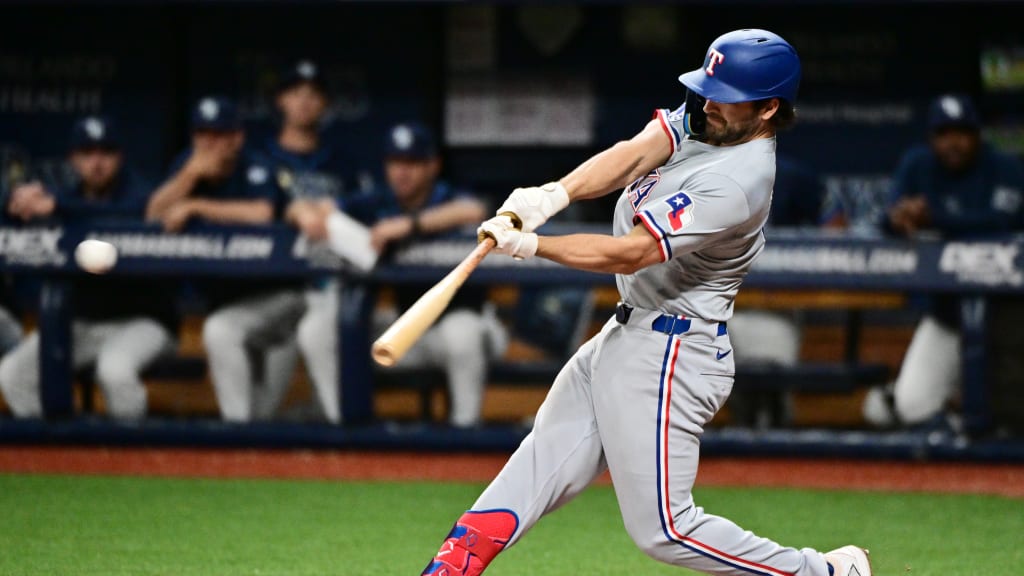
Back in 2024, Smith looked like one of the team’s most promising contributors during the first half of the season. At that point, he carried an impressive .861 OPS and appeared to be developing into a dependable offensive piece. His approach at the plate, ability to get on base, and occasional power surge gave the Rangers optimism that he could become an important long-term contributor.
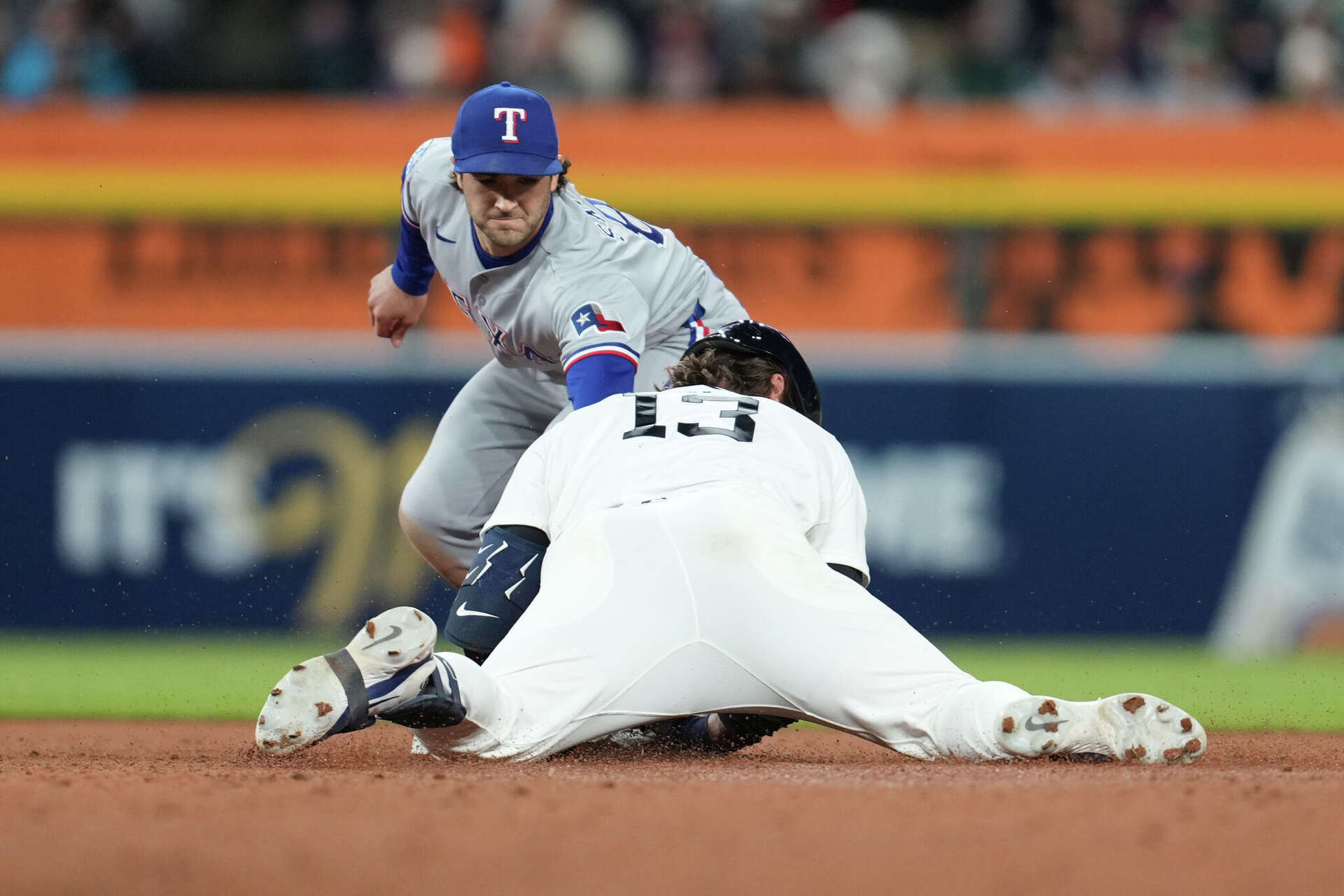
That promise, however, has been overshadowed by injuries, inconsistency, and now a frightening medical diagnosis. Few players in baseball have experienced a rougher stretch of bad fortune this season than Smith. Between his struggles at the plate, his injury rehabilitation, and now hospitalization, the season has taken a heartbreaking turn.
The Rangers organization has emphasized that baseball concerns are insignificant compared to Smith’s current health battle. Everyone surrounding the team is focused on one thing — ensuring he makes a complete and safe recovery.
Viral meningitis occurs when the protective membranes surrounding the brain and spinal cord become inflamed due to a viral infection. While it is typically less severe than bacterial meningitis, it remains a serious medical condition that often requires hospitalization, significant rest, and close monitoring by healthcare professionals. Patients are commonly observed around the clock to ensure symptoms do not worsen or create additional complications.
People diagnosed with viral meningitis often experience intense symptoms that can make everyday functioning extremely difficult. Common symptoms include severe headaches, fever, neck stiffness, fatigue, nausea, and heightened sensitivity to light. In many cases, even simple movement or exposure to bright environments can become uncomfortable.

Recovery timelines vary from person to person, but doctors generally expect the initial symptoms to improve within seven to ten days. However, for a professional athlete like Smith, returning to peak physical condition is a far more demanding process than simply feeling better. Major League Baseball requires intense physical endurance, reaction time, coordination, and stamina — all of which can be impacted after an illness of this nature.
Even after Smith is discharged from the hospital, his recovery journey will still be far from over. Since he was already in the middle of rehabbing a glute strain before the diagnosis, that process will essentially have to restart once he regains enough strength and energy. He will need time to rebuild conditioning, resume baseball activities gradually, and ensure his body is fully prepared for the demands of a long MLB season.
As a result, a return to the active roster does not appear imminent. While the initial hospitalization period may only last a week or slightly longer, the overall recovery timeline could stretch well beyond that. It would not be surprising if Smith remains away from the team for several weeks while focusing entirely on regaining full health.
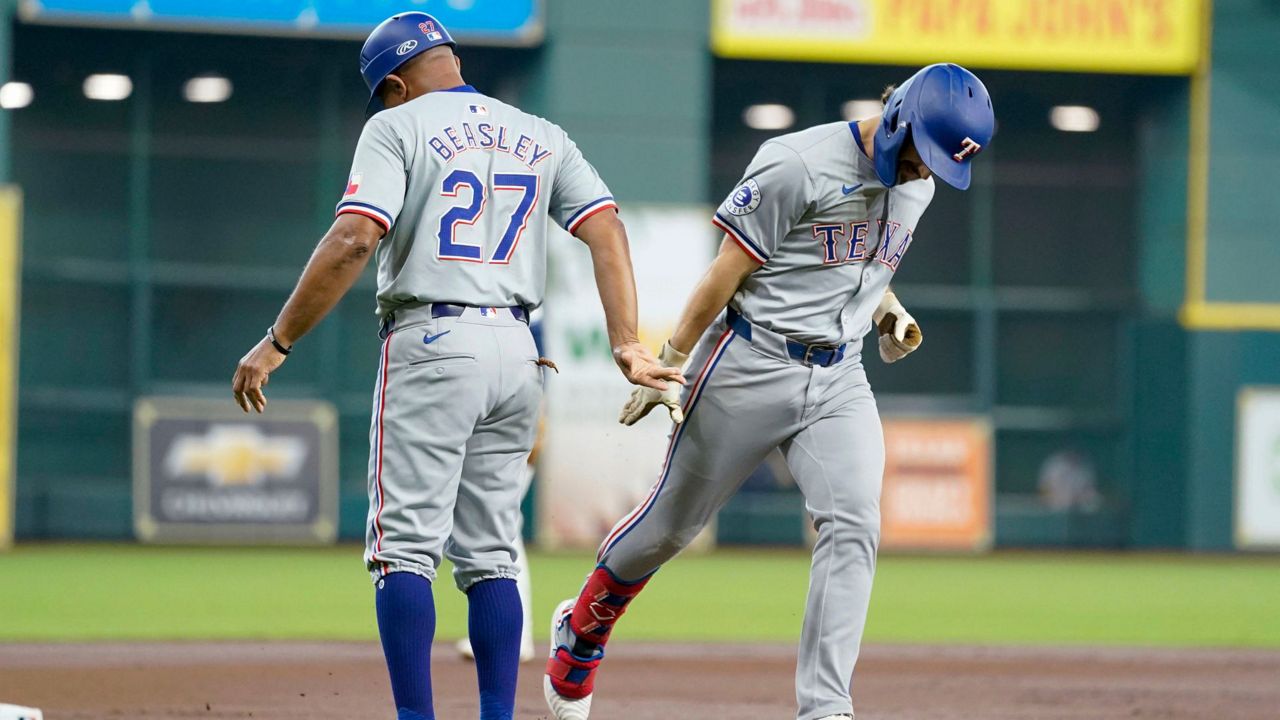
In the meantime, the Rangers must continue adjusting their lineup without him. Ezequiel Duran has primarily handled second-base duties during Smith’s absence, and it appears likely that he will continue filling that role for the foreseeable future. Texas has managed to stay competitive despite the setbacks and currently sits at 21-22 on the season.
Although the Rangers have not played flawless baseball, they remain firmly in the postseason conversation. The American League standings are still tightly packed, and the team believes it has enough talent to compete for a playoff spot as the season progresses. Losing Smith certainly impacts the roster’s depth and flexibility, but the club has enough internal options to survive his absence in the short term.
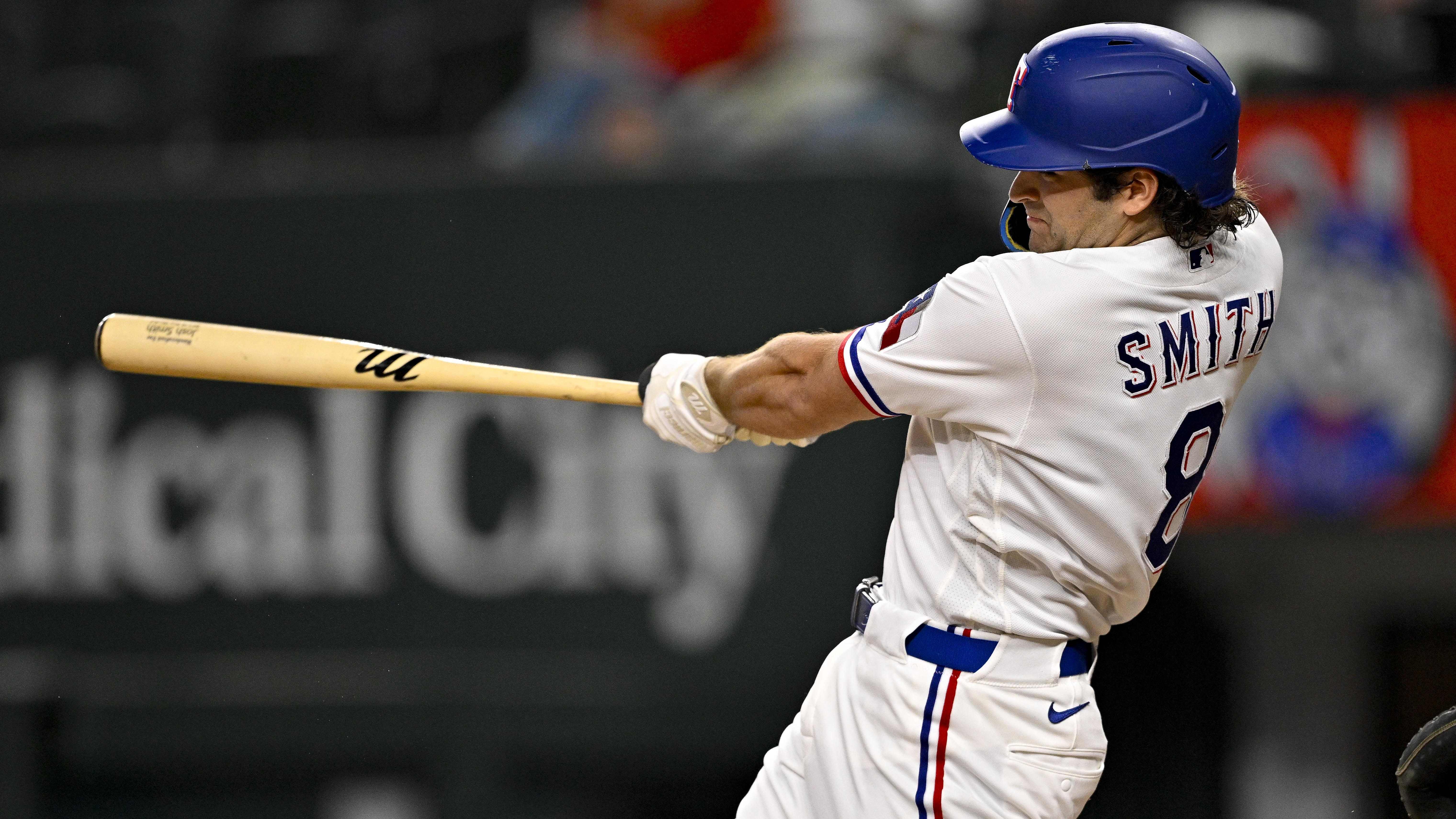
Still, Smith’s value extends beyond statistics alone. Teammates and coaches frequently praise his energy, professionalism, and willingness to do whatever the team needs. Players like Smith often become important clubhouse figures because of their adaptability and resilience. Even when offensive numbers fluctuate, their presence can have a meaningful impact on team chemistry and morale.
That is part of why this news resonates so strongly within the organization. Seeing a teammate hospitalized with a serious illness puts the realities of sports into perspective. Injuries and slumps are part of baseball, but health scares involving the brain and nervous system carry an entirely different level of concern.
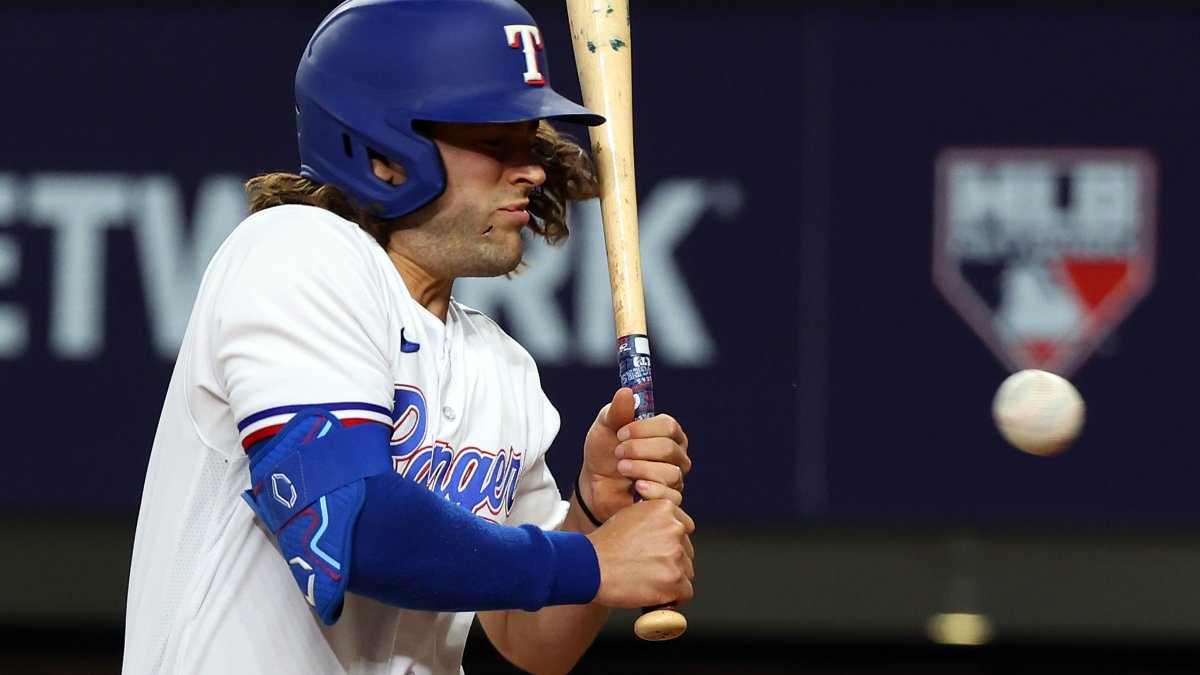
For now, the Rangers and their fans are simply hoping Smith can recover fully and safely without complications. Questions about his future role, his offensive struggles, or his long-term place in the lineup can all wait. The priority is his well-being.
In many ways, the season has become a test of resilience for Smith. What began as an exciting opportunity to secure an everyday position has transformed into a year defined by adversity. Yet throughout difficult stretches in his career, Smith has consistently shown determination and professionalism. Those qualities will likely be just as important during this recovery process.

Baseball careers are unpredictable, and momentum can disappear quickly. One moment, a player appears poised for a breakout season, and the next, injuries and unforeseen circumstances completely alter the path forward. Smith’s 2026 campaign has unfortunately become a clear example of how quickly fortunes can change in professional sports.
The Rangers, meanwhile, understand that patience will be necessary. Even after Smith feels healthy enough to resume activities, the organization will almost certainly proceed cautiously. There is little reason to rush a player back from such a significant illness, especially during the middle stages of the season.
Ultimately, everyone associated with Texas shares the same hope: that Josh Smith can focus on healing, regain his strength, and eventually return to the game healthy and confident. Baseball can wait. His recovery cannot.
READ MORE