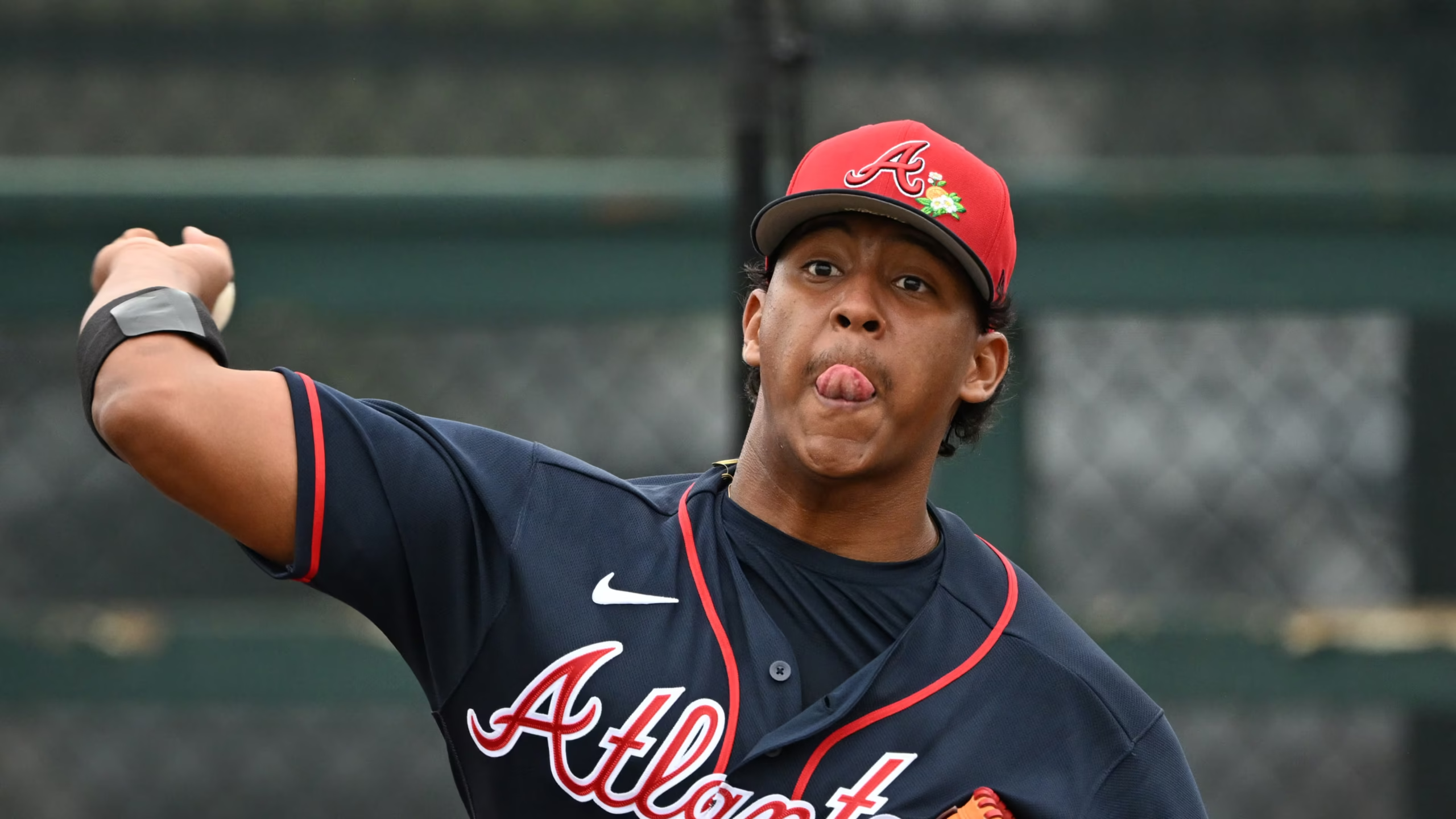
As Didier Fuentes continues adjusting to life in the major leagues, the Atlanta Braves appear to have found an ideal role for the talented young right-hander. Rather than forcing him into the starting rotation before he is fully prepared, the club has shifted him into the bullpen, where he has quickly become one of the team’s most reliable weapons in high-pressure situations. His latest contribution came Friday night, when he delivered another crucial performance that helped the Braves secure a dramatic walk-off victory in extra innings against the Boston Red Sox.
Fuentes entered the game during a tense extra-inning situation and immediately faced adversity. With the automatic runner already placed on second base and a hit batter creating additional pressure, the 20-year-old pitcher remained calm and composed. He worked through the inning without allowing a run and added a strikeout, keeping Boston from capitalizing on the opportunity. His effort gave Atlanta a chance to win the game in the bottom half of the inning, which they eventually did in thrilling fashion.
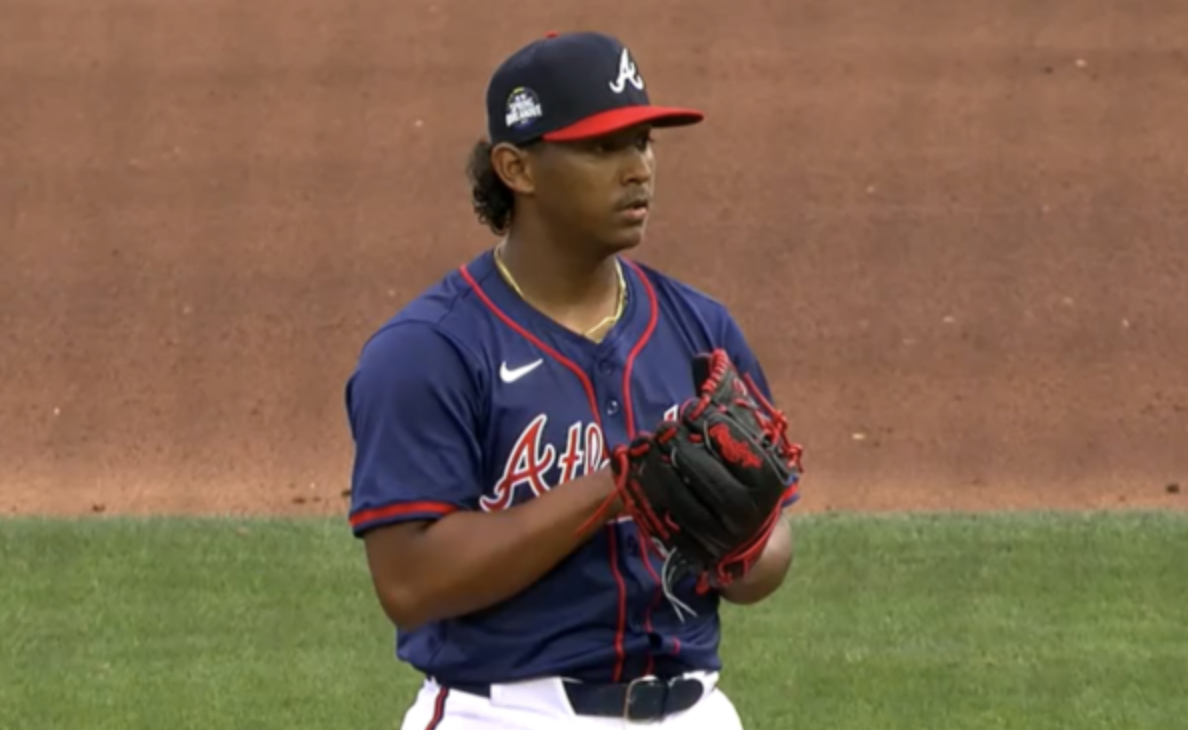
Interestingly, Fuentes was not originally expected to pitch that night. The Braves had hoped to avoid using him, likely in an effort to carefully manage his workload and development. However, once the game stretched into extra innings, the coaching staff realized they needed their most dependable available arm to keep the contest under control. Fuentes answered the call once again.
Manager Walt Weiss acknowledged after the game that the team initially planned to give the young reliever a night off. Still, circumstances changed once the matchup entered extras, and the Braves prioritized winning the game. Weiss praised Fuentes for stepping into the difficult spot and delivering exactly what the team needed — a shutdown inning in a pressure-packed moment.
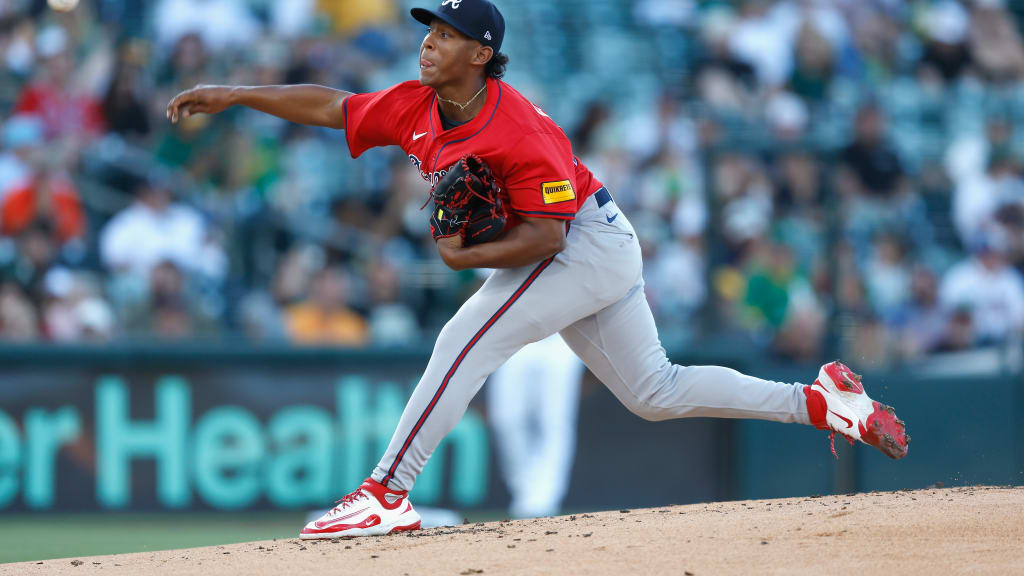
Earlier in the season, there were legitimate questions about whether Fuentes belonged in the majors at all. As a starting pitcher, he struggled to consistently navigate opposing lineups, and there was growing belief that additional seasoning at Triple-A might better serve his long-term growth. Many observers felt the best course of action would be to send him back to the minors, allowing him more time to refine his command, improve his pitch mix, and develop confidence before returning to the big leagues.
Instead of taking that route, the Braves chose a different developmental strategy. Rather than demoting him entirely, they moved him into a bullpen role where the pressure and workload could be more carefully controlled. The organization has successfully used this blueprint before. Current Braves ace Spencer Strider followed a similar path early in his major league career, initially making his impact as a reliever before eventually transitioning into one of baseball’s premier starting pitchers.

That experience likely gave Atlanta confidence that Fuentes could benefit from the same process. Pitching in relief allows young arms to acclimate to the speed and intensity of major league competition without immediately handling the responsibility of facing hitters multiple times through the order. For a pitcher still learning how to attack elite hitters consistently, shorter outings can simplify the game and help build confidence.
So far, the decision has paid off tremendously. Since moving into the bullpen, Fuentes has been nearly untouchable. He currently owns a sparkling 1.32 ERA, along with a microscopic 0.59 WHIP and an opponent batting average of just .090 in relief appearances this season. Those numbers reflect not only his raw talent but also his growing comfort at the highest level of the sport.
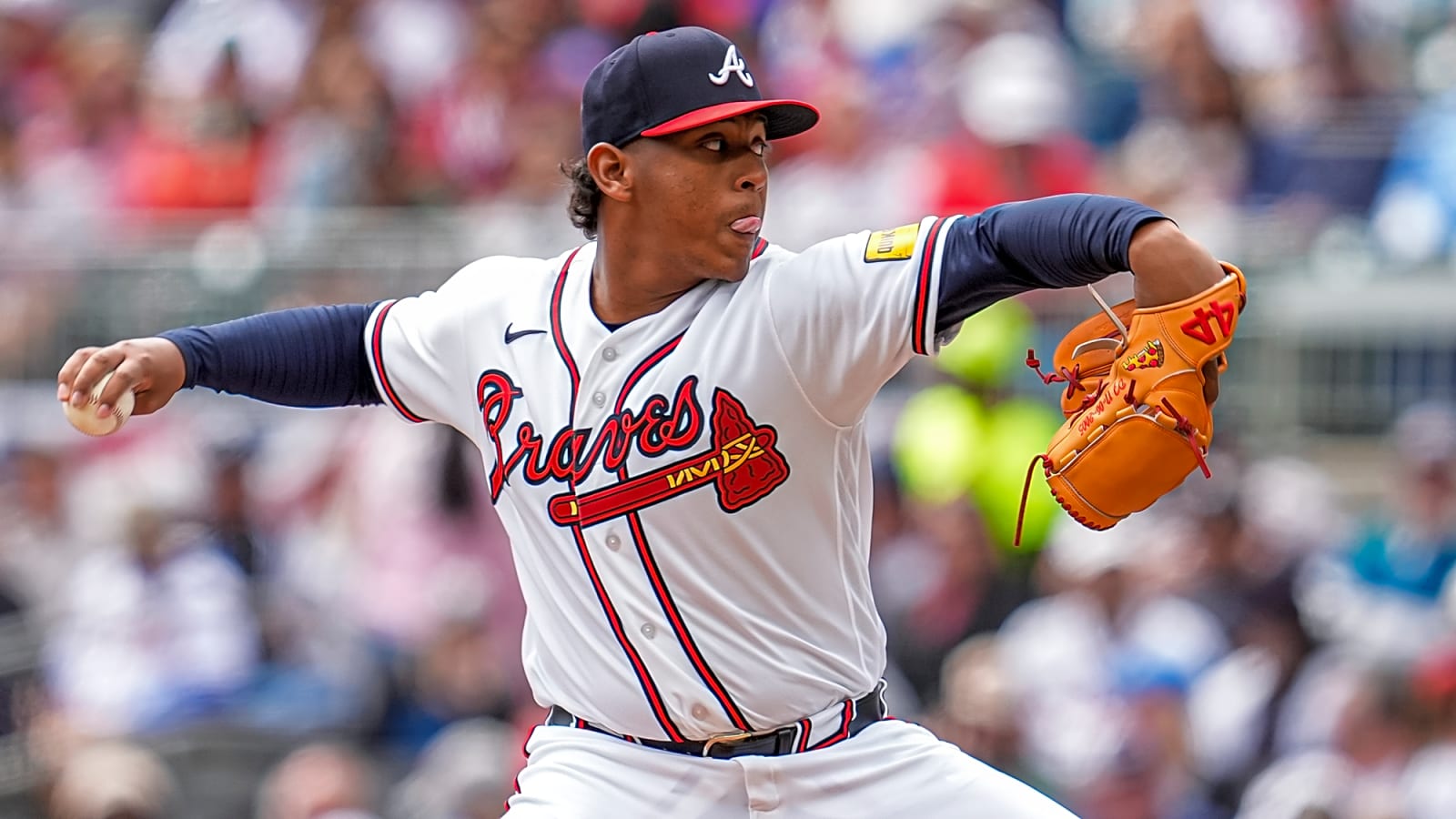
The bullpen role has allowed Fuentes to focus on attacking hitters aggressively with his best pitches. Rather than pacing himself across five or six innings, he can now rely on maximum effort and sharper execution over shorter appearances. This setup also removes the challenge of adjusting once opposing batters have already seen his arsenal earlier in the game, something that had previously caused problems during his starts.
One of the biggest reasons behind Fuentes’ breakout performances has been the significant overhaul of his pitch repertoire. Compared to last season, his arsenal looks dramatically different. While he still relies primarily on his four-seam fastball, the effectiveness of the pitch has improved substantially due to better command and complementary secondary offerings.

Fuentes has also made major adjustments to his breaking pitches. He moved away from using the sweeper and curveball combination that previously defined his secondary mix and instead incorporated a sharper slider. That pitch has quickly become one of the most effective weapons in his arsenal. Additionally, he developed a splitter that he uses almost exclusively against left-handed hitters, giving him another tool to neutralize difficult matchups.
The slider, in particular, has emerged as a dominant pitch. Opposing hitters are struggling badly against it, frequently swinging and missing or failing to make solid contact. The pitch currently boasts an impressive 43.5 percent whiff rate, meaning nearly half of swings against it come up empty. It also carries a 30.8 percent putaway rate, showing its effectiveness in finishing off hitters once Fuentes gets ahead in the count. Both marks significantly outperform the results generated by his other pitches.
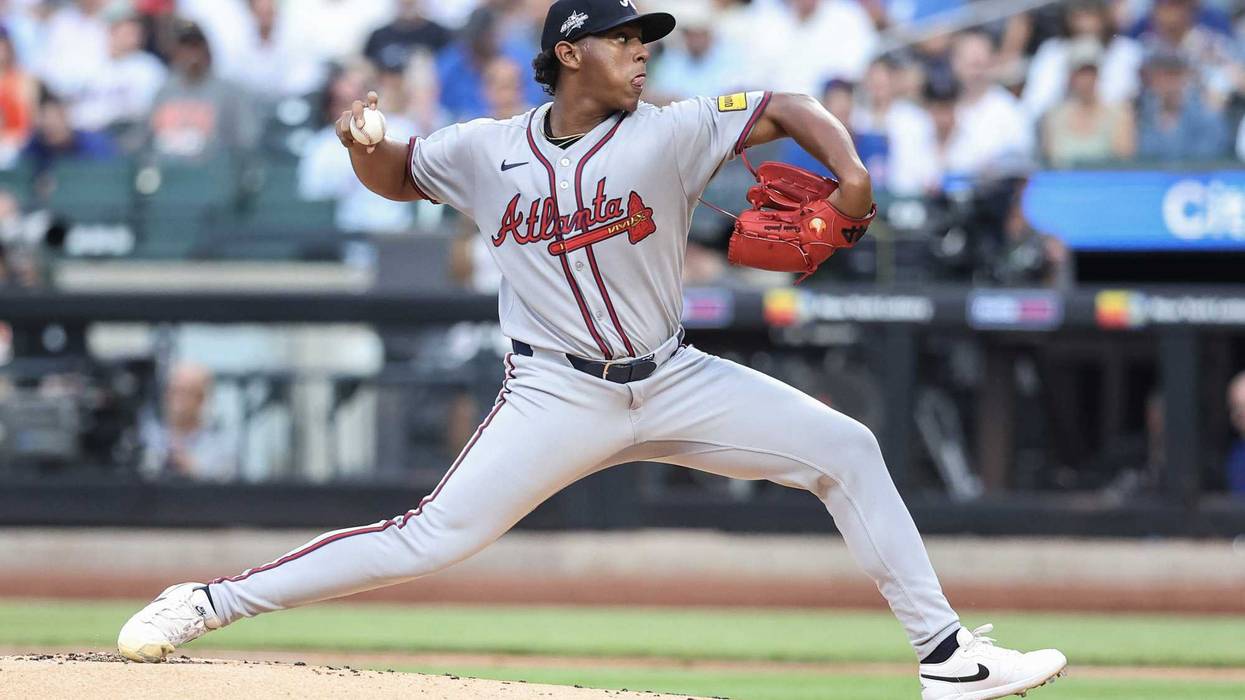
Beyond the strikeout numbers, Fuentes has also excelled at limiting dangerous contact. Hitters are pounding the ball into the ground more frequently against him, particularly when attempting to pull the baseball. According to Baseball Savant data, balls that are both pulled and hit in the air against Fuentes occur at just a 7.7 percent rate, one of the strongest marks among major league pitchers this season. That statistic is particularly important because pulled fly balls often result in extra-base hits and home runs. By suppressing that type of contact, Fuentes has dramatically reduced opponents’ ability to generate damaging offense.
The Braves’ handling of Fuentes also reflects a larger organizational philosophy centered around patience and proper development. While he is currently thriving in relief, Atlanta has not abandoned the idea of him eventually becoming a starter again. Instead, the bullpen role serves as a stepping stone that allows him to continue facing major league hitters while gradually refining the skills necessary for a future rotation spot.

At the same time, the team is being careful not to rush the process. Fuentes has received extended bullpen appearances that simulate some aspects of starting without exposing him to overwhelming workloads. The Braves clearly believe that when the timing is right, he can transition back into the rotation successfully. Until then, there is little reason to disrupt a formula that is producing outstanding results.
The young right-hander’s emergence has also provided critical support for a Braves bullpen that has dealt with constant instability throughout the season. Injuries and roster changes have forced Atlanta to rotate multiple relievers in and out of key roles, creating uncertainty in the pitching staff. Long-relief options such as Dylan Dodd have been unavailable, increasing the importance of pitchers capable of covering meaningful innings effectively.

Had Fuentes not adapted so quickly to his bullpen assignment, the Braves might have faced a far more serious problem managing late-game situations. Instead, he has become one of the most dependable arms available to the coaching staff. His versatility allows Atlanta to use him in multiple scenarios, whether entering during extra innings, protecting close leads, or extinguishing rallies before they spiral out of control.
Perhaps most importantly, Fuentes is beginning to establish the foundation for what could become an impressive rookie season. Expectations surrounding him had been high for quite some time due to his electric arm talent and potential upside. Although his early struggles as a starter created some uncertainty, his recent performances have reignited excitement about his future within the organization.

For now, the Braves appear content allowing him to continue developing in a role where he is succeeding. Every dominant outing strengthens his confidence while giving the team valuable innings during an important stretch of the season. Whether Fuentes ultimately remains a reliever long-term or eventually transitions back into the rotation, his current impact cannot be ignored.
Atlanta may have initially viewed the bullpen assignment as a temporary adjustment, but it has quickly become one of the team’s smartest decisions of the season. Fuentes is gaining invaluable major league experience, helping stabilize an overworked pitching staff, and showcasing the type of electric stuff that made him one of the organization’s most intriguing young arms.
At only 20 years old, he still has plenty of time to continue developing. If his progress continues at this pace, the Braves could soon have another homegrown pitching star on their hands.
READ MORE