The Philadelphia Phillies have experienced a remarkable turnaround since making a major change in the dugout, but despite the team’s impressive run of success, not everyone in the clubhouse is completely satisfied with every decision being made. One of the team’s biggest stars, ace pitcher Zack Wheeler, has reportedly been frustrated with interim manager Don Mattingly following a controversial pitching decision during Philadelphia’s recent series against the Pittsburgh Pirates.
After struggling early in the season, the Phillies decided to part ways with manager Rob Thomson after only 28 games. The organization turned to former Major League manager Don Mattingly to guide the club on an interim basis, hoping a change in leadership would provide the spark the team desperately needed. Since Mattingly assumed control, the Phillies have transformed into one of baseball’s hottest teams, producing one of the most dramatic midseason turnarounds in recent MLB history.

Philadelphia’s resurgence has been nothing short of extraordinary. The club accomplished a historic feat by becoming the first Major League team to climb from 10 games below the .500 mark in April to at least 10 games above .500 before the arrival of July. Such a dramatic reversal highlights how quickly fortunes can change over the course of a baseball season when players begin performing at their highest level and momentum builds within the clubhouse.
The Phillies have excelled in nearly every aspect of the game during this stretch. Their offense has consistently generated runs, the pitching staff has delivered quality performances, and the bullpen has successfully protected leads. As a result, confidence throughout the organization has grown significantly, and the team has emerged as a legitimate contender in the National League playoff race.

Their impressive winning streak has also placed considerable pressure on the Atlanta Braves in the National League East standings. What once appeared to be a comfortable divisional advantage has gradually diminished as Philadelphia continues to win series and close the gap. The Phillies have established themselves as one of the league’s most dangerous teams, raising expectations among fans and creating genuine optimism about their postseason ambitions.
Despite the overwhelmingly positive atmosphere surrounding the club, one recent managerial decision has created some tension between Mattingly and one of his most important players. Before Philadelphia took the field for the final game of its series against the Pittsburgh Pirates on July 2, Mattingly shared an interesting update with reporters regarding his relationship with Zack Wheeler.
The interim manager admitted that the veteran right-hander was still unhappy with him following the previous night’s game. Speaking candidly to members of the media from the dugout before first pitch, Mattingly joked that Wheeler was not ready to have a conversation with him.
“I don’t think he wanted to talk to me yet,” Mattingly remarked, acknowledging that his ace remained frustrated after being removed from the contest earlier than he had hoped.
The disagreement stems from Philadelphia’s July 1 matchup against Pittsburgh, a game the Phillies ultimately won by a score of 10-6. Although the team secured another important victory, Wheeler’s outing ended sooner than he expected, preventing him from qualifying for the win.

Under Major League Baseball rules, a starting pitcher generally must complete at least five innings to become eligible for a victory. Wheeler was removed after pitching only 4.2 innings, leaving him one out short of meeting that requirement. As a result, despite helping put the Phillies in position to win, he was unable to earn the decision.
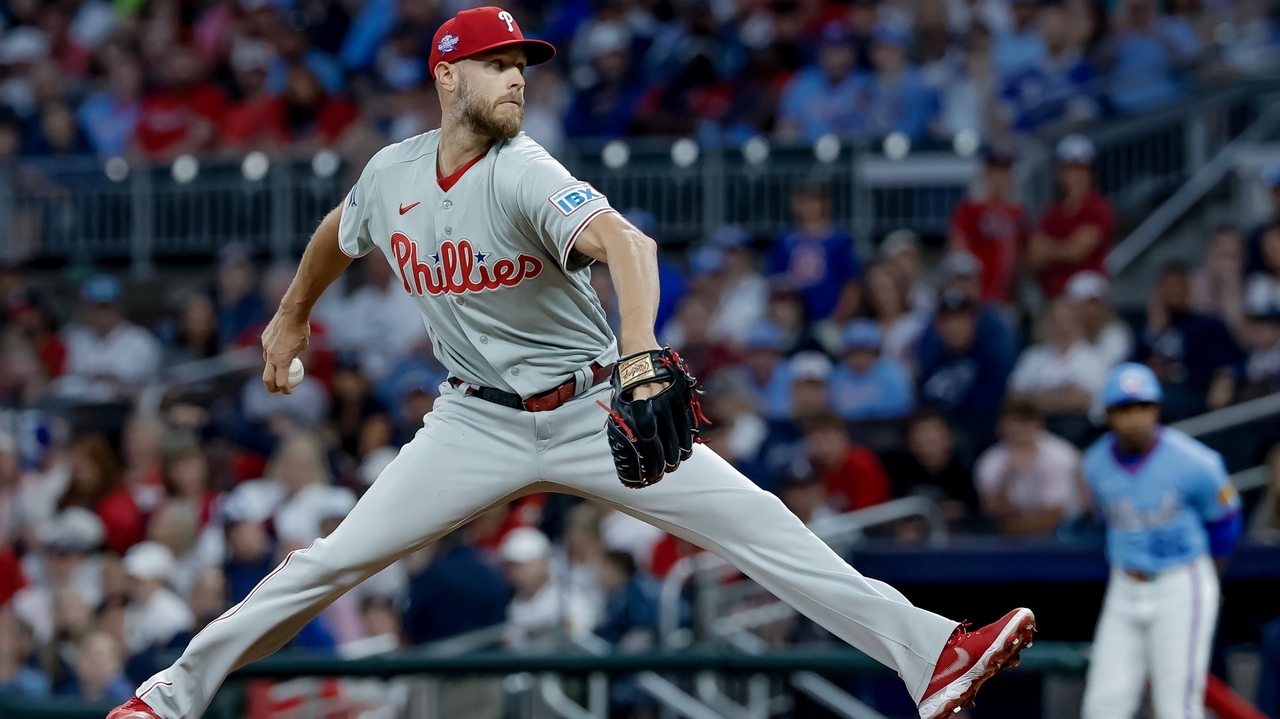
Throughout his outing, Wheeler displayed flashes of dominance while also encountering unexpected difficulties against the Pirates’ lineup. He struck out an impressive 10 batters, showcasing the overpowering fastball and devastating secondary pitches that have made him one of baseball’s elite starting pitchers. However, Pittsburgh also managed to generate consistent contact throughout the game.
The Pirates collected nine hits and drew one walk against Wheeler, eventually scoring four earned runs. Among those hits was a solo home run by Henry Davis, who capitalized on one of Wheeler’s mistakes. While the strikeout total reflected his outstanding ability to miss bats, the combination of numerous hits and deep counts caused his pitch count to rise quickly.
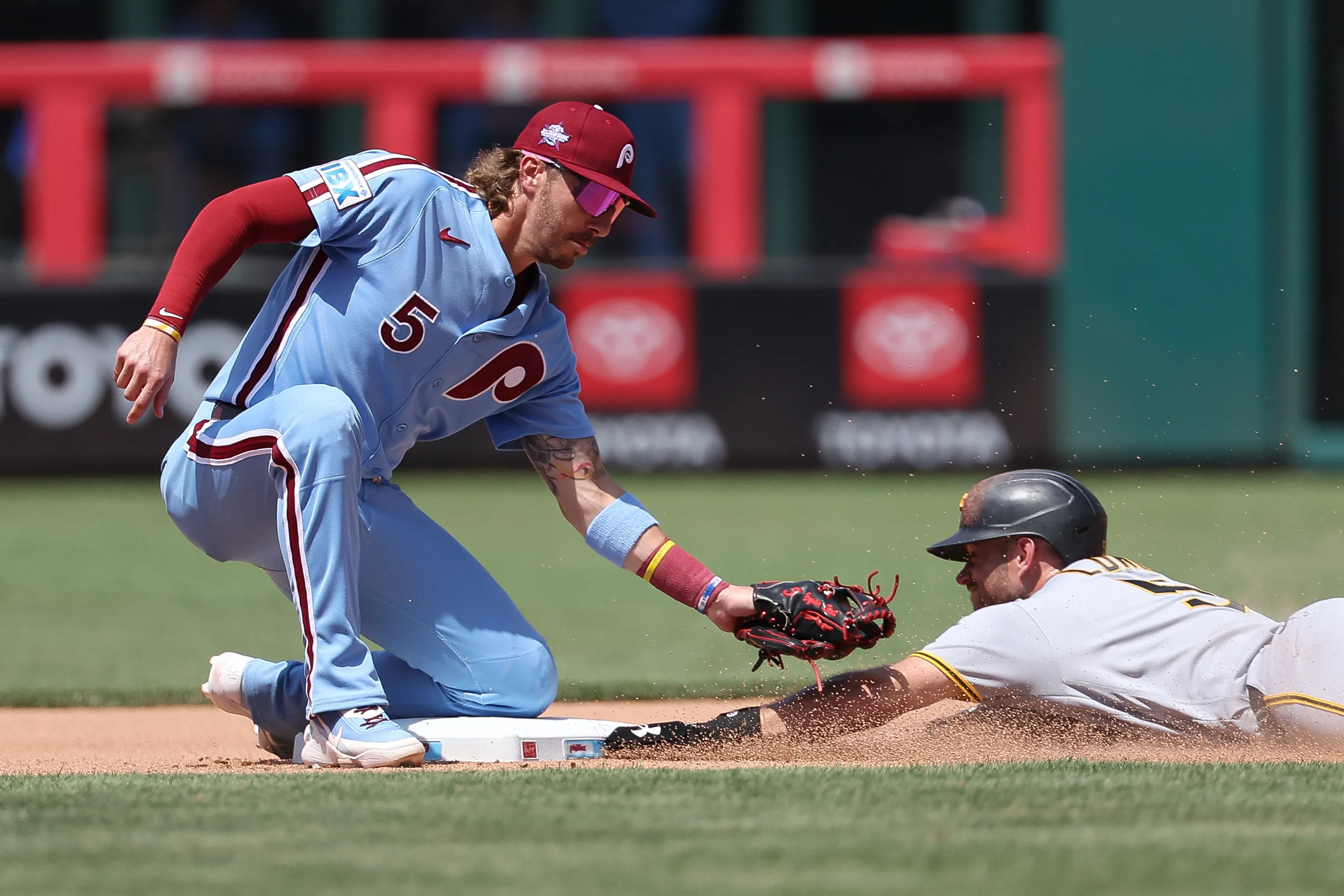
By the time Wheeler entered the fifth inning, he had already thrown more than 100 pitches. After recording two outs by retiring Brandon Lowe and Bryan Reynolds, it appeared he might complete the inning and qualify for the win. However, Pittsburgh mounted another rally, stringing together three consecutive singles that increased traffic on the bases and forced Mattingly to make a difficult decision.
Rather than allowing Wheeler to continue, Mattingly walked to the mound and called for the bullpen. Although the move disappointed his ace, the manager believed protecting one of the team’s most valuable players outweighed the possibility of allowing him to finish the inning.
Speaking with reporters before the following day’s game, Mattingly explained that he understood Wheeler’s frustration but remained fully confident in the decision he made.
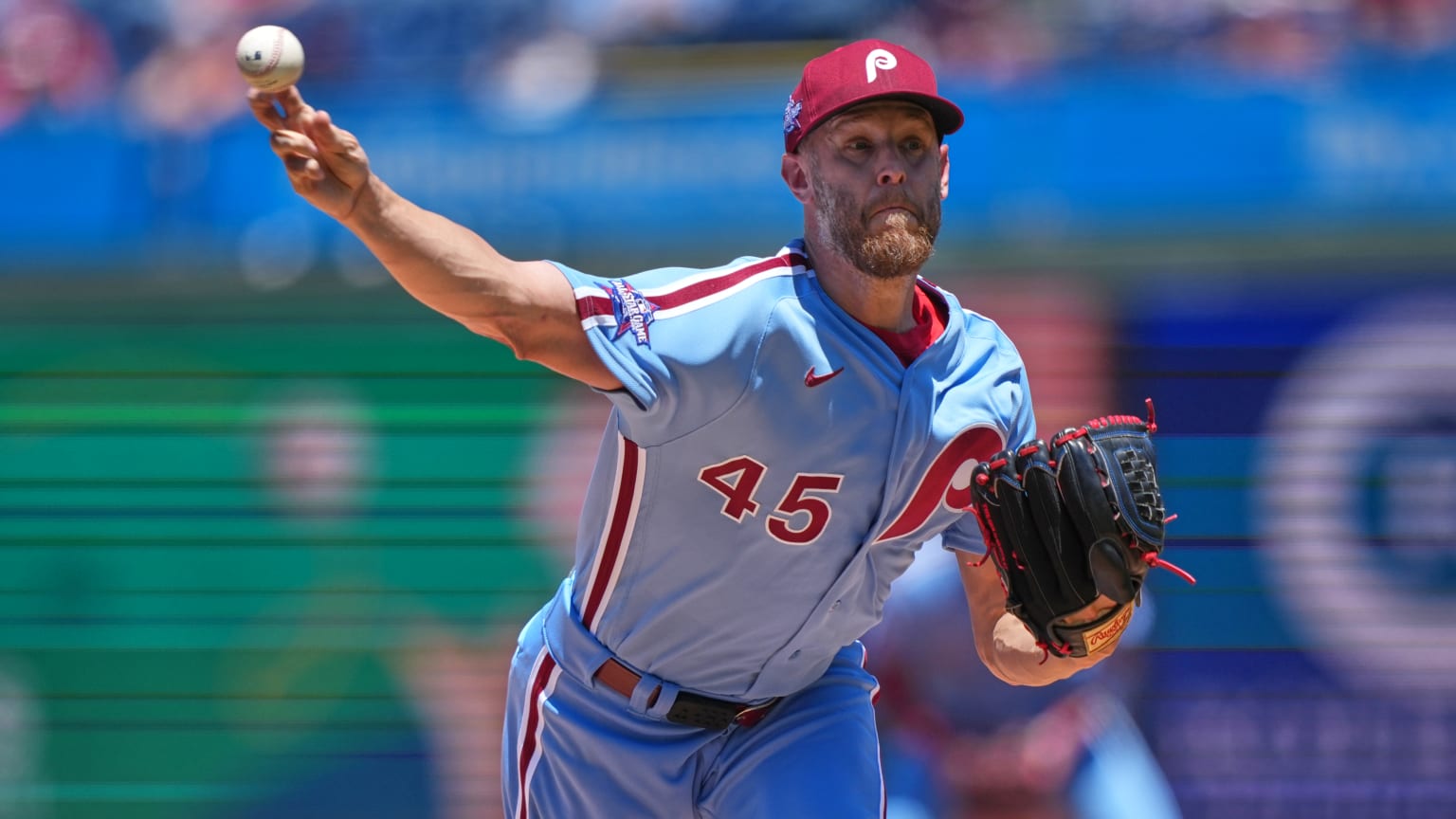
“It really doesn’t bother me at all that he’s upset. The great ones don’t want to come out. But from my standpoint, he’s at 105 pitches in that inning. This is a long-term kind of situation,” Mattingly explained.
His comments reflected the delicate balance every manager must maintain when handling elite starting pitchers. Competitors like Wheeler naturally want to remain on the mound, particularly when they believe they can finish an inning or qualify for a victory. Their competitive drive often pushes them to ignore fatigue and continue battling through difficult situations.

Wheeler’s reaction is understandable given his reputation throughout baseball. He has consistently demonstrated a fierce competitive spirit and has built his career on wanting the ball in the biggest moments. Like many of the game’s greatest pitchers, he takes pride in finishing what he starts and believes in his ability to work through adversity.
From the manager’s perspective, however, player health and long-term success must always take priority over individual achievements. Allowing Wheeler to continue pitching after surpassing 100 pitches, especially during the middle of the regular season, could have increased the risk of fatigue or injury. With the Phillies pursuing far greater goals than a single regular-season victory, protecting their ace is a sensible strategy.

Mattingly’s decision also reflects modern baseball’s emphasis on workload management. Teams now monitor pitch counts more carefully than ever before, relying on sports science and medical data to minimize unnecessary strain on pitchers. Even highly durable starters are frequently removed once they approach or exceed predetermined pitch limits, particularly when signs of fatigue begin to appear.
Although Wheeler was understandably disappointed, moments like these are common between elite athletes and their managers. Competitive players often disagree with decisions made in the heat of the game, but such disagreements rarely create lasting problems. Instead, they usually demonstrate how much players care about contributing to their team’s success.

Mattingly himself seemed unconcerned about any lingering tension, recognizing that Wheeler’s frustration came from his competitive nature rather than any personal issue. In many ways, a pitcher who is upset about being removed is often preferable to one who is comfortable leaving the game early, as it reflects a strong desire to compete.
Ultimately, the Phillies achieved the result that mattered most by winning the game and continuing their remarkable surge in the standings. While Wheeler missed the opportunity to earn another victory on his personal record, the team added another important win to its growing total.
Looking ahead, Philadelphia’s primary objective remains reaching the postseason and competing for a World Series championship. That goal requires keeping key players healthy throughout the long 162-game season. Every decision involving Wheeler, particularly those concerning his workload, will likely continue to prioritize his availability in September and October rather than maximizing his innings during the summer months.
So far this season, Wheeler has once again established himself as one of the premier pitchers in Major League Baseball. He owns an outstanding 8-1 record accompanied by a sparkling 2.36 earned run average (ERA). His consistency has made him one of the most reliable starters in the league, while his 84 strikeouts demonstrate his continued ability to dominate opposing hitters. Additionally, he has accumulated 3.8 Baseball Reference Wins Above Replacement (bWAR), further highlighting the tremendous value he has provided to Philadelphia.
Given Wheeler’s exceptional performance and the Phillies’ remarkable turnaround under Mattingly, the brief disagreement is unlikely to become a significant issue. Competitive emotions often run high during a long baseball season, especially when championships are within reach. As long as Philadelphia continues winning games and its ace remains healthy, both Wheeler and Mattingly will almost certainly view this incident as a minor bump in an otherwise highly successful campaign.
READ MORE