The St. Louis Cardinals entered Wednesday’s series finale against the Los Angeles Angels facing a situation that seemed almost impossible to imagine just a few weeks earlier. After spending much of the season hanging around the National League playoff race, the Cardinals suddenly found themselves in a downward spiral, searching for answers after suffering four consecutive losses and falling out of the third NL Wild Card position.
For much of the season, St. Louis had been one of baseball’s biggest surprises. Despite entering the year with questions surrounding the roster and expectations that they would focus on rebuilding, the Cardinals managed to stay competitive far longer than many analysts predicted. Their unexpected success led many around Major League Baseball to believe that the organization could become an aggressive buyer ahead of the trade deadline.
The thinking was simple: if St. Louis could continue winning and remain within striking distance of a postseason berth, the front office would have a reason to add talent and make a push toward October. A team that was supposed to take a step back instead appeared capable of fighting for a playoff spot.
However, baseball seasons can change quickly, and the Cardinals’ recent struggles have completely altered the conversation.

Instead of looking like a team preparing to add reinforcements, St. Louis now appears to be reassessing its direction. Their recent slide has exposed some of the weaknesses that were masked during their earlier success, and the organization may now have to accept that selling at the trade deadline could be the smartest path forward.
According to Tim Britton and Chad Jennings of The Athletic, the Cardinals are increasingly moving toward becoming sellers rather than buyers. The two reporters believe the team’s recent performance has changed the outlook dramatically and that St. Louis is now “clearly trending to the sell side.”
“The Cardinals are the ones basically in the middle,” Britton and Jennings explained. “They were trending heavily to the buy side for much of the season, but they’ve been bad enough in July to wonder if threading the needle might be their best-case scenario.”

That middle ground creates an interesting challenge for the Cardinals. They are not completely out of contention, but their recent struggles have made it difficult to justify sacrificing future assets for a short-term playoff push.
The possibility remains that St. Louis could attempt to both buy and sell at the same time. However, if they choose to make additions, those moves would need to focus on players who can contribute beyond the 2026 season rather than short-term rentals who may only help for a few months.

For an organization already entering a transition period, acquiring veteran players on expiring contracts would likely make little sense. The Cardinals need to think about building sustainable success rather than chasing a playoff appearance that may not be realistic.
Cardinals’ July Collapse Changes Trade Deadline Strategy
The biggest issue for St. Louis has been their disappointing performance throughout July. After staying competitive for months, the Cardinals have begun showing signs that they may be closer to the rebuilding team many expected them to be before the season started.
Their pitching has become a major concern, and their offense has struggled to consistently produce runs when games matter most. Those issues have turned what looked like a potential playoff push into a difficult decision for the front office.
The Cardinals’ situation is complicated because they do have some valuable pieces who could attract interest from other teams. However, their most obvious trade candidates have seen their value fluctuate recently.
One of the biggest names connected to possible trade discussions is Dustin May. The right-handed pitcher was viewed as one of St. Louis’ best trade assets, but his recent performances have created uncertainty. If May can rebound and pitch effectively in his next few starts, the Cardinals could still receive strong interest from teams searching for pitching help.
But if his struggles continue, his trade value could decrease significantly.

That puts St. Louis in a difficult position. The organization must determine whether it should wait for May’s value to recover or make a move before the deadline arrives.
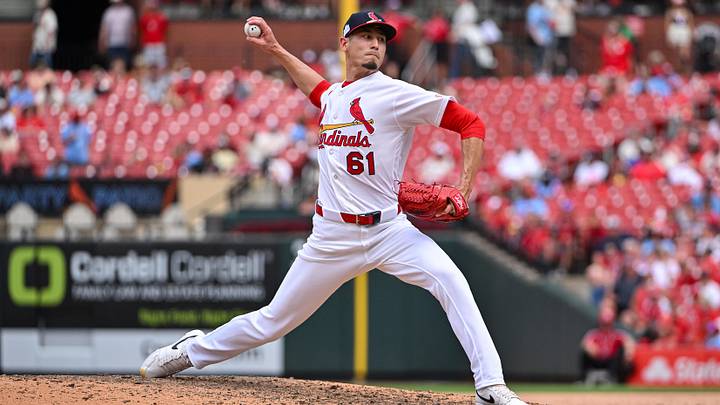
While May was expected to be one of the Cardinals’ biggest trade chips, another player who could generate interest is Riley O’Brien.
O’Brien may not have the same name recognition as some other potential trade candidates around the league, but his situation makes him valuable. Unlike many rental players available at the deadline, O’Brien is under team control for multiple seasons, giving acquiring teams more than just a short-term solution.
He has also been among the National League leaders in saves, making him an attractive option for contenders looking for bullpen help.
However, even O’Brien’s value has become somewhat complicated. He has not looked quite as dominant as he did earlier in the season, particularly since the end of April. Teams interested in acquiring him will likely examine his recent performance carefully before deciding how much they are willing to offer.
Still, his contract situation and experience in late-game situations could make him one of the Cardinals’ most realistic trade assets.
Chaim Bloom Faces Important Decision for Cardinals’ Future
The upcoming trade deadline represents a major moment for Cardinals president of baseball operations Chaim Bloom.
The Cardinals are seemingly headed toward their third sell-off in the last four seasons, which highlights the organization’s ongoing transition. After years of trying to remain competitive, St. Louis appears to be moving toward a more patient approach focused on developing young talent and creating long-term success.

Bloom’s challenge will be finding the right balance.
The Cardinals cannot simply trade away every valuable player, especially if they want to avoid extending the rebuilding process. At the same time, holding onto players who could bring back meaningful returns may prevent the organization from improving its future roster.
The key will be identifying which players fit into the team’s long-term plans and which players could help accelerate the rebuilding process through trades.
Starting pitching is one area where the Cardinals clearly need improvement. Their rotation lacks the depth and consistency needed to compete with the top teams in the National League, and adding young pitching talent could become a priority.
Ironically, the best way to address that need could be by trading someone like O’Brien. A contender could value his bullpen experience enough to offer prospects or young players who could eventually strengthen the Cardinals’ pitching staff.
That type of move would fit better with the organization’s current direction than acquiring another temporary veteran player.
Cardinals Must Decide Between Short-Term Hope and Long-Term Growth
The Cardinals entered the season expecting uncertainty. They made several offseason trades and appeared prepared for a transition year. Their early success created optimism and changed expectations, but their recent struggles have brought the original plan back into focus.
Now, St. Louis must decide whether to continue chasing a playoff opportunity or prioritize building for the future.

The argument for selling is becoming stronger. Their recent losing streak has shown that they may not have enough depth to compete consistently against stronger National League teams. Their potential trade chips are more valuable now than they may be in the future, especially players with multiple years of team control.
The argument for buying is much weaker. Adding rental players would not align with the organization’s rebuilding timeline, and there is no guarantee that a few additions would fix the issues that have emerged.
If the Cardinals decide to make moves, they should focus on acquiring controllable talent — players who can contribute in 2026 and beyond.
The next few weeks will reveal whether St. Louis fully embraces a seller’s approach or attempts to find a middle ground. Either way, the decisions made at the deadline could shape the franchise for years.
The Cardinals’ unexpected first-half success created hope, but their July struggles have changed everything. What once looked like a surprising playoff push now appears to be another opportunity for the organization to reshape its roster and prepare for the future.
For St. Louis, the trade deadline is no longer about adding the final piece for a championship run. It is about determining which pieces belong in the next era of Cardinals baseball.
READ MORE